

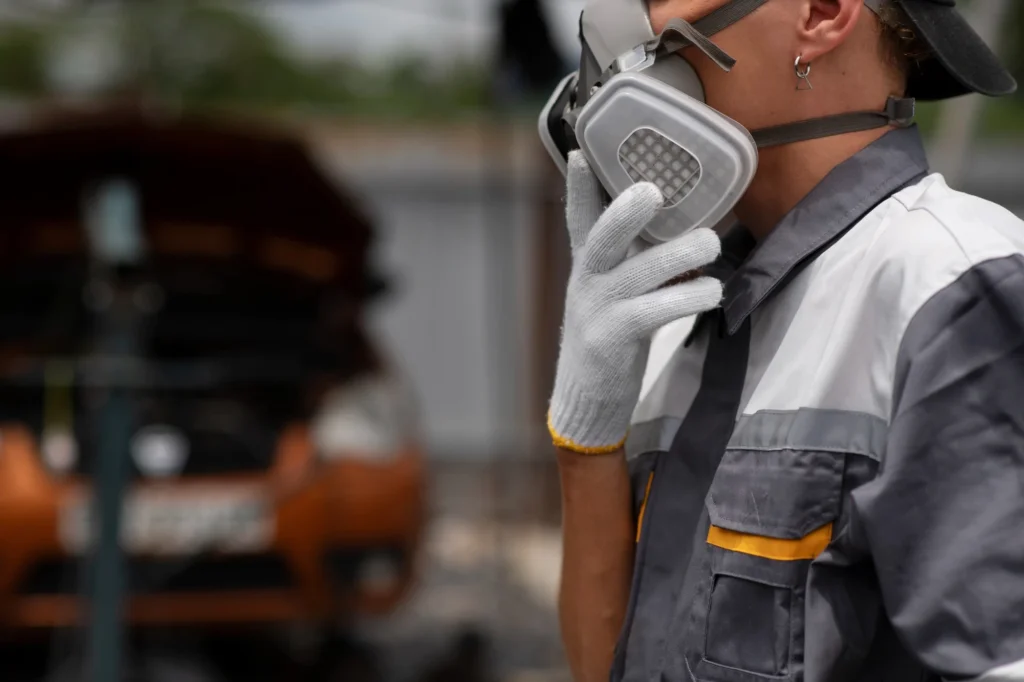
The most dangerous piece of PPE is the one the worker takes off. Protection that restricts movement, traps heat or drags on the shoulders gets removed at the worst possible moment, and the resulting exposure is worse than the hazard the garment was bought to answer. Ergonomic design is not a comfort feature bolted onto protection — it is what keeps the protection in place.
(Last modified date: October 2, 2026)
Key Takeaways
- Ergonomic PPE design means engineering fit, weight distribution, adjustability and range of motion so protection does not create fatigue or an incentive to remove it.
- Poor ergonomics pushes workers into workarounds — unzipping, removing gloves, loosening a hood — which raises exposure above the level the hazard assessment assumed.
- OSHA 1910.132(d)(1) requires employers to select PPE that properly fits each affected employee, which makes fit a compliance matter rather than a preference.
- Ergonomics cannot be judged on one test subject. Fit has to hold across the actual spread of body types and the actual task mix on site.
- The layers have to fit each other, not only the worker: a glove that will not sit under a sleeve cuff creates a gap at the wrist.
What Does Ergonomic Design Actually Change?
Ergonomic design in protective equipment means shaping fit, weight, adjustability and range of motion around the worker and the task, so the equipment protects without adding fatigue, discomfort or a reason to take it off.
That definition is deliberately broader than “comfortable”. Comfort is how the wearer experiences it; ergonomics is what the design does. Four levers do most of the work:
- Pattern and construction — where the seams and darts sit, and whether the garment is shaped for a working posture or for standing still.
- Weight and balance — not just total weight but where it hangs. A heavy garment carried on the shoulders tires a worker differently from the same weight carried on the hips.
- Adjustability — cuffs, waist, hood and leg length that can be set to the individual rather than to an average.
- Range of motion — whether the worker can reach overhead, kneel, and grip without the garment pulling out of position.
Each of those interacts with the protective function. Cuff and collar closures are a good example: they have to sit snug to stop flame, particles or chemical ingress, and a closure that is technically tight enough but uncomfortable in practice will be left open. The protection and the ergonomics are not competing objectives in that case — the ergonomics is what makes the protection hold.
Why Poor Ergonomics Creates More Risk than It Solves
A worker who cannot work comfortably in a garment does not stop working — they work around the garment, and the workaround is the exposure.
The pattern is consistent across industries. Gloves that are too thick come off for a task that needs feel, and stay off for the next task. A hood that fogs up gets pushed back. A coverall that binds at the shoulder gets unzipped to the chest. In each case the hazard assessment assumed a protected worker, and the reality is a partially protected one — which is why the audit question is not “was the PPE issued” but “is it being worn as specified, for the whole task”.
There is a second cost that does not show up in injury statistics: fatigue changes the work. A worker fighting a garment has less attention for the task, and error rates rise with fatigue in any work that requires judgement. That is the argument for treating ergonomics as part of the engineering, not as an amenity.
Where Fit Sits in the Regulation
Fit is a compliance requirement, not a preference. 29 CFR 1910.132(d)(1) requires the employer to assess the workplace for hazards that necessitate PPE and then, where such hazards exist, to select and have each affected employee use PPE that protects against the hazards identified, to communicate the selection decisions to each affected employee, and to select PPE that properly fits each affected employee. The same paragraph requires the assessment to be verified through a written certification.
Read together, those three obligations rule out the two habits that cause most fit problems: ordering one size for a whole crew, and treating fit as the worker’s problem to solve with a bigger jacket. Fit is part of the selection decision the employer has to make, document and communicate.
How to Evaluate PPE Ergonomics Before You Buy
Evaluate against your workforce and your task list, not against a single test subject in a meeting room.
| What to check | How to check it | Failure looks like |
|---|---|---|
| Fit across the workforce | Trial the garment on the real spread of body types and both sexes | “It fits me” becomes the specification |
| Weight and balance | Wear it through a full shift, not a two-minute try-on | Discomfort at hour six, not at minute two |
| Adjustability | Set cuffs, waist and length for each wearer | One size fits nobody, or fits by chance |
| Range of motion | Perform the actual tasks: reach, kneel, grip, climb | Movement restricted only in the posture that matters |
| Compatibility with other layers | Wear the full system together — gloves under cuffs, hood over collar | Gaps open where two items meet |
| Doffing and care | Remove it quickly, and launder it to the label | A garment that is hard to remove in a hurry |
The last two rows are the ones most often skipped. Layering is where fit failures concentrate, because each item can be individually correct and the combination still wrong: a glove that will not tuck under a sleeve leaves the wrist exposed, and a hood that does not sit over a collar leaves the neck exposed. Testing the system as a system is the only way to catch it.
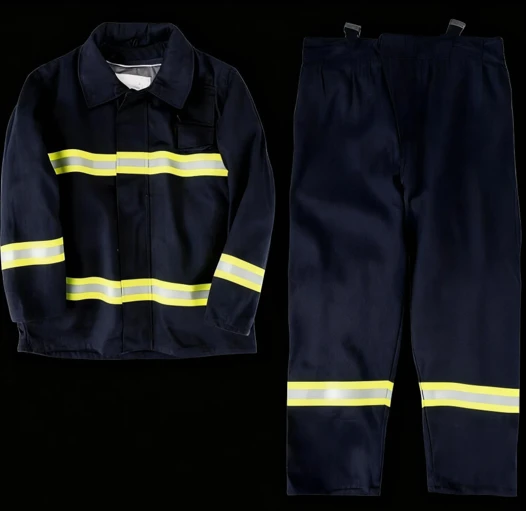
Fit has to hold in the working posture, not just standing still.
Does Ergonomic PPE Cost More?
Initial cost can be higher, but the comparison is against the cost of non-compliance, not against the cheapest garment on the list.
Better construction, a wider size range and better closures do cost more per unit. What has to sit on the other side of the ledger is the replacement pattern of garments that get taken off and damaged, the re-issue of sizes that were never right, and — where an incident occurs — the cost of the exposure itself. For most programmes the practical outcome is that a correctly fitted garment is replaced less often and worn as specified, which is the part that actually reduces risk.
The honest framing for a buyer is this: ergonomics is a specification item to be written down and verified, not a claim to be taken on trust. Ask how the size range was set, which body types it was validated on, and whether the closures were tested with the other layers in the system.
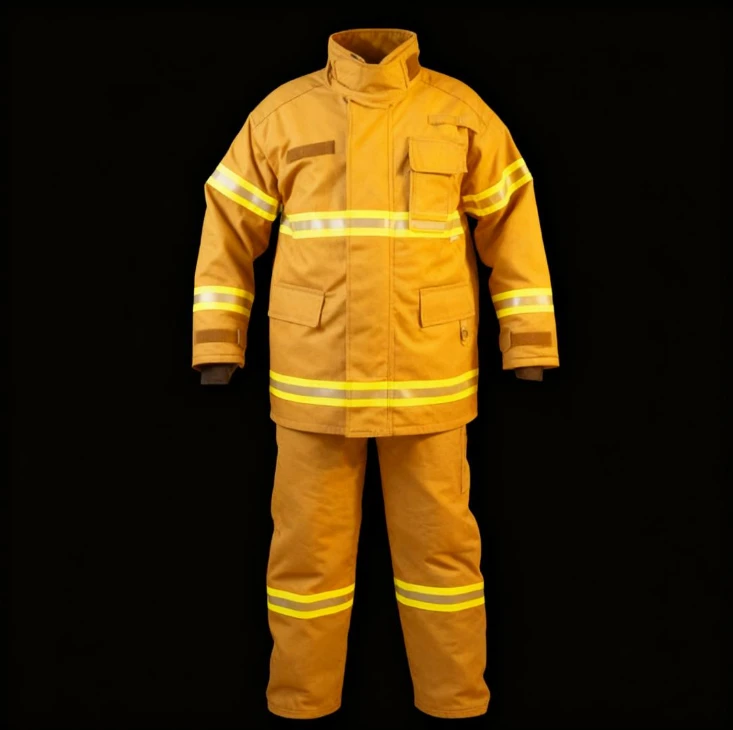
A size range is only useful if it matches the people who will wear it.
What to Ask a Supplier
Turn the ergonomic claims into questions that have verifiable answers. Ask what the size range is built on and whether extended sizes or custom fit are available; ask which closures were chosen and why; ask whether the garment has been tested as part of a layered system; and ask for the model specification and test documentation for the exact item you are evaluating rather than the product family.
Those are the questions that separate a garment designed for the work from one designed for a catalogue photograph. Our team can supply the specification, the size range and the documentation for each model, and can build a fit programme around your workforce through the contact page, or you can review the protective clothing range first. The wider compliance picture — which standard applies where — is covered in global PPE compliance: navigating CE, ANSI and ISO standards.
For the wider topic and related decisions, see our PPE by Industry.
FAQs
What is ergonomic design in protective equipment?
Ergonomic design shapes PPE to the worker’s body and task — fit, weight distribution, adjustability, and range of motion — so protection does not create fatigue, discomfort, or unsafe workarounds.
Does ergonomic PPE cost more?
Initial cost can be higher, but better fit and comfort improve compliance, reduce fatigue-related errors, and lower long-term injury and replacement costs.
How do I evaluate the ergonomics of PPE?
Assess fit across your workforce, weight and balance, adjustability, compatibility with other PPE layers, and whether workers can perform their tasks without removing or misusing the equipment.
Related Articles
- Understanding Arc Flash Hazards in Industrial Environments
- Global PPE Compliance: Navigating CE, ANSI, and ISO Standards
- Heat Protective Clothing
Official Resources
References
- 29 CFR 1910.132(d) — Hazard assessment and equipment selection, including the requirement to select PPE that properly fits each affected employee and to certify the assessment in writing. Electronic Code of Federal Regulations.
- Regulation (EU) 2016/425 on personal protective equipment — conformity requirements for PPE placed on the EU market, including fit and sizing within the risk assessment. EUR-Lex.