

Storage Is Part of Protection
Equipment performs as tested only if it reaches the wearer in the condition it was supplied in.
That statement carries the whole argument. Performance is established by testing a specific article, and it is maintained by the care, inspection and storage instructions the manufacturer provides; the duty to keep equipment in a reliable condition, described in OSHA 1910.132 and within the general obligations of 29 CFR 1910 Subpart I, does not stop at the issue counter. Regulator guidance such as that from HSE in the UK and CCOHS in Canada treats storage as part of maintaining equipment, and a management system such as ISO 45001 expects the arrangements to be defined rather than improvised.
Two framing points apply. Storage maintains a control rather than removing a hazard, since protective equipment remains the last measure in the hierarchy of controls. And the manufacturer’s instructions control: where a product’s care or storage directions differ from a general rule in a site procedure, the product instruction wins, because it is written for that article’s materials and construction.
Environment: Light, Heat, Humidity
The storage environment degrades protective materials through four mechanisms, and each is manageable with ordinary arrangements.
Ultraviolet light breaks down polymers and dyed materials, which matters for helmet shells, coated fabrics and fluorescent high-visibility material. Heat accelerates that degradation and can affect the shape of moulded components, so a store next to a boiler room or under a metal roof is a poor choice for anything polymer-based.
Humidity and condensation promote mould and corrosion and can affect insulation materials in cold-weather clothing. And repeated cycling between hot and cold conditions is harder on many materials than a steady temperature, which is why an unheated store with wide seasonal swings is worth reviewing. Two practical rules follow from the manufacturer’s instruction set rather than from a fixed figure: keep stored equipment in a cool, dry, ventilated area out of direct sunlight, and keep it away from the immediate vicinity of heat sources, solvents and exhaust. Where the manufacturer states particular conditions for a product, those conditions are the specification for the store, not a suggestion.
Contamination Risks in Shared Stores
A shared store is where protective equipment is most likely to absorb something that changes its behaviour, because the items kept near it were never intended to be near it.
The recurring pairings are predictable. Oils, fuels and lubricants stored on the same rack as flame-resistant garments, where even a light contamination can alter how the fabric behaves in contact with heat. Solvents and cleaning chemicals near gloves, footwear or eyewear, where vapour and spillage degrade materials without visible change. Dust and abrasive materials near eye and face protection, where a scratched or contaminated lens fails its purpose before anyone notices. And food, drink and tobacco in a store that also holds respiratory protection, which is a hygiene issue as much as a materials one. The correction is not a bigger store but a segregation rule: separate zones for chemicals and for equipment, secondary containment for liquids, sealed storage for clean items, and a written rule that contaminated or used equipment does not return to the clean stock area. Where equipment is kept in the work area rather than in a store, the same logic applies — a locker is a storage location with its own conditions.
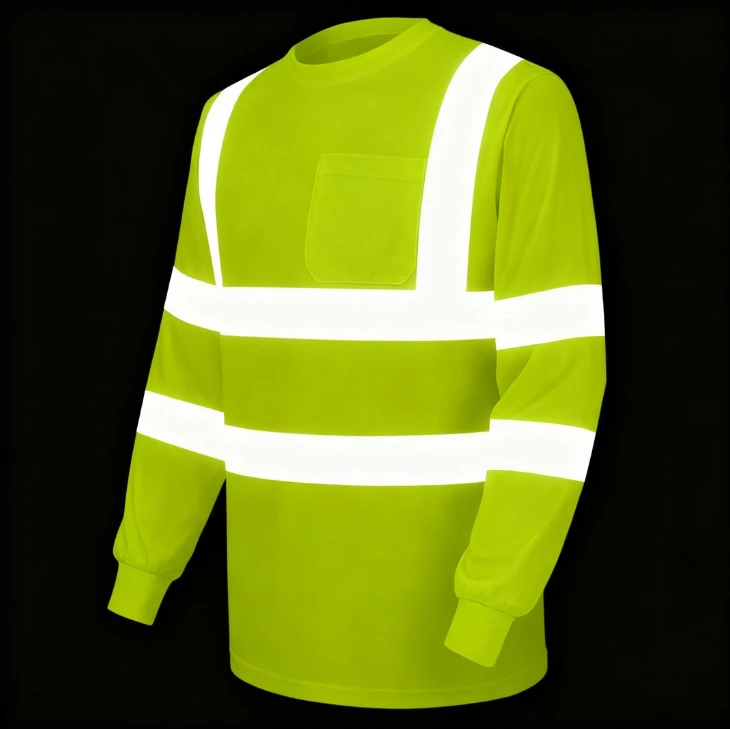
Segregation of Clean and Used Items
The boundary between clean and used stock is the most important line in the store, and it is usually the one that is missing.
Four zones cover the flow. New or clean equipment waiting for issue. Issued equipment awaiting return or cleaning. Equipment awaiting inspection, clearly marked and physically out of the issuing route. And equipment condemned, held apart until it is disposed of or retained as evidence. The failure modes follow directly from missing zones: used equipment returns to the shelf and is reissued as clean, an uninspected item is treated as available, or a condemned item sits in a locker and reappears. The four states are worth writing down as a rule rather than leaving them to habit.
| State | What it includes | Where it belongs |
|---|---|---|
| Clean | New, or cleaned and inspected after return | Available for issue |
| Returned | Issued equipment awaiting cleaning | Soiled area, kept away from clean stock |
| Awaiting inspection | Returned items not yet assessed | Marked area, out of the issuing route |
| Condemned | Items that failed a criterion, or are held as evidence | Held apart until disposed of or released |
Two practical measures make the boundary real. Colour-coded bags or bins for each state, so that the state of an item is visible without reading a label. And a rule that only equipment from the clean zone may be issued, with the issuing person accountable for that check. Where a site uses an external laundry, the same four states apply on arrival and despatch, and the transfer documentation should reflect them.
Racking, Hanging and Compression
How equipment is stored physically affects both its performance and its life, and the answer differs by item type.
Garments are usually best hung, where the manufacturer permits it, because folding can crease coated surfaces and reflective trim, and hanging allows air movement around the article. Where space requires folding, the manufacturer’s guidance on folding and on avoiding sharp creases in trim is the reference. Head protection should not be stored with heavy items on top of it, and shells should be kept away from contact with solvents; stacking helmets under pressure is a common cause of unseen damage. Footwear benefits from being kept in shape, with moisture allowed to escape, rather than compressed in a bin, because compressed uppers and trapped moisture both shorten the item’s life. Insulated clothing should not be compressed for long periods, since loft is part of how it performs. Eye and face protection should be stored so that the lens does not rest against a hard surface, and respiratory protection should be kept in a clean, closed container as its instructions require. In each case the underlying rule is the same: the storage method should maintain the shape and cleanliness the item was designed with.
Stock Rotation and Date Control
Rotation is what prevents the oldest stock being issued last, and date control is what makes rotation verifiable.
Three practices are enough. First in, first out, applied physically so that new deliveries are loaded behind existing stock rather than in front of it. Batch or receipt references recorded on the issue line, so that a problem with a specific delivery can be traced to the workers who received it. And a periodic stock review that includes a condition check rather than only a count, since equipment that has been in store for a long time should be looked at rather than assumed good. Where a manufacturer specifies a shelf life or a maximum storage period for an item, that limit belongs in the rotation rule. Two additional points: equipment issued but never returned should be reconciled periodically, because unreturned items are the commonest source of unaccounted stock; and seasonal equipment should be reviewed at the end of its season rather than at the start of the next, when there is still time to reorder.
Transport Between Sites
Movement between locations is storage in a worse environment, and equipment spent on a truck or a site container is exposed to everything the store protects it from.
Three requirements cover most movements. Packaging that keeps items clean and separated from oils, tools and chemicals in the same load, since a garment transported beside a drum of lubricant is contaminated on arrival. Secure sealing and identification, so that the contents and their destination are known without opening the consignment, which also matters for the receiving inspection. And protection from the conditions of the journey, because a container parked in the open for a week is a storage environment with no controls at all. Where equipment moves between sites as part of a shared pool, the transfer document should carry the same fields as the issue record: article, quantity, condition at despatch and the intended destination. The receiving site then inspects on arrival and records the outcome, which turns a transfer into a controlled handover rather than an assumption.
Inspection at Issue
Issue is the last point at which storage problems can be caught before a worker relies on the equipment.
Three impressions are worth taking at the counter. Condition: that the item is clean, undamaged and has all its components. Identification: that the marking and label are legible, so the article can be linked to the assessment that required it. And suitability: that the item is the right one for the task it is being issued for, including the size. Where any of those fails, the item goes into the awaiting-inspection or condemned zone rather than to the wearer, and the reason is recorded. This is also where a storage problem usually becomes visible as a pattern rather than an isolated case, which is why the reasons for rejecting items at issue are worth reviewing periodically: a run of items failing on the same criterion points at the store, the laundry or the specification. The care instructions that define what an item can survive are covered in the guidance on washing and caring for flame-resistant clothing, and the wider flow of stock through a programme is described in the sourcing, manufacturing and compliance hub.

FAQ: Questions About Storage
How should you store PPE?
In a cool, dry, ventilated place out of direct sunlight and away from heat sources, solvents and exhaust, following the manufacturer’s instructions for the specific article. Keep clean, used, awaiting-inspection and condemned equipment in separate zones, with only the clean zone available for issue. Store garments hung where the instructions permit, avoid compressing insulated items and head protection, and rotate stock so the oldest is issued first.
How should flame resistant clothing be stored?
Away from oils, fuels, solvents and other chemicals that can contaminate the fabric, in a dry ventilated area out of direct sunlight, and in the form the care instructions permit – usually hung rather than tightly folded. Contaminated garments should be cleaned as the instructions require before returning to clean stock, and any garment whose contamination cannot be removed within those instructions should be withdrawn rather than stored.
Does sunlight degrade PPE?
Ultraviolet light degrades polymers and dyed materials over time, which affects helmet shells, coated fabrics and fluorescent high-visibility material in particular. The visible effect may be colour change, but the functional effect can be reduced strength or performance without an obvious sign. Keeping stored equipment out of direct sunlight is therefore a standard storage rule rather than a matter of appearance.
Can used and new PPE be stored together?
They should not be, because the purpose of the separation is to prevent used, contaminated or uninspected items from being issued as clean ones. The workable arrangement is four zones – clean, returned, awaiting inspection and condemned – with a rule that only the clean zone is available for issue. Colour-coded bags or bins make the state of an item visible without reading a label.
If you are setting up or reviewing a store and want a layout that matches the equipment you issue and the conditions its instructions require, send your stock list and store details to [email protected], or use the contact page to ask for a storage and handling review.
{
“@context”: “https://schema.org”,
“@type”: “Article”,
“headline”: “PPE Storage Requirements: Protecting Performance Before It Is Worn”,
“description”: “PPE storage requirements framed around performance: environment, contamination, clean and used segregation, racking and compression, rotation, transport between sites and inspection at issue.”,
“inLanguage”: “en-US”,
“author”: { “@type”: “Organization”, “name”: “Shield Wings”, “url”: “https://www.shield-wings.com/” },
“publisher”: { “@type”: “Organization”, “name”: “Shield Wings”, “url”: “https://www.shield-wings.com/” },
“mainEntityOfPage”: { “@type”: “WebPage”, “@id”: “https://www.shield-wings.com/ppe-storage-requirements/” },
“about”: [
{ “@type”: “Thing”, “name”: “PPE storage” },
{ “@type”: “Thing”, “name”: “Contamination control” },
{ “@type”: “Thing”, “name”: “Stock rotation” }
],
“keywords”: “ppe storage requirements, protective clothing storage, ppe store room”
}
{
“@context”: “https://schema.org”,
“@type”: “FAQPage”,
“mainEntity”: [
{
“@type”: “Question”,
“name”: “How should you store PPE?”,
“acceptedAnswer”: { “@type”: “Answer”, “text”: “In a cool, dry, ventilated place out of direct sunlight and away from heat sources, solvents and exhaust, following the manufacturer’s instructions for the specific article. Keep clean, used, awaiting-inspection and condemned equipment in separate zones, with only the clean zone available for issue. Store garments hung where the instructions permit, avoid compressing insulated items and head protection, and rotate stock so the oldest is issued first.” }
},
{
“@type”: “Question”,
“name”: “How should flame resistant clothing be stored?”,
“acceptedAnswer”: { “@type”: “Answer”, “text”: “Away from oils, fuels, solvents and other chemicals that can contaminate the fabric, in a dry ventilated area out of direct sunlight, and in the form the care instructions permit – usually hung rather than tightly folded. Contaminated garments should be cleaned as the instructions require before returning to clean stock, and any garment whose contamination cannot be removed within those instructions should be withdrawn rather than stored.” }
},
{
“@type”: “Question”,
“name”: “Does sunlight degrade PPE?”,
“acceptedAnswer”: { “@type”: “Answer”, “text”: “Ultraviolet light degrades polymers and dyed materials over time, which affects helmet shells, coated fabrics and fluorescent high-visibility material in particular. The visible effect may be colour change, but the functional effect can be reduced strength or performance without an obvious sign. Keeping stored equipment out of direct sunlight is therefore a standard storage rule rather than a matter of appearance.” }
},
{
“@type”: “Question”,
“name”: “Can used and new PPE be stored together?”,
“acceptedAnswer”: { “@type”: “Answer”, “text”: “They should not be, because the purpose of the separation is to prevent used, contaminated or uninspected items from being issued as clean ones. The workable arrangement is four zones – clean, returned, awaiting inspection and condemned – with a rule that only the clean zone is available for issue. Colour-coded bags or bins make the state of an item visible without reading a label.” }
}
]
}