

A shutdown is a period when the plant is quieter and the site is louder. Production machinery stops, and the noise comes from the work instead: air tools, impact wrenches, hammering, hydro-blasting, grinding, cutting and steam venting, often several at once, frequently in confined or reflective spaces, and concentrated into a window that everyone is trying to keep short. Planning noise exposure for a turnaround is a different exercise from planning it for production.
What This Environment Does to People and Equipment
It is worth separating the exposure of the crew doing the noisy work from the exposure of everyone else in the area. The crew is aware of the noise and usually equipped for it; scaffolders, electricians, instrument technicians and cleaners often are not, and they may spend their time close to work that someone else is performing. Turnaround plans tend to focus on the loudest tasks rather than on the people who are exposed to them incidentally.
Maintenance noise has two characteristics that production noise often does not. The first is variability: levels change from minute to minute as tools start and stop, and the loudest events are brief. The second is concentration: a crew may be exposed to high levels for twelve hours a day for two weeks, then return to a quieter role. The accumulated exposure across that window is what matters, and it is easy to underestimate because the work is temporary.
The setting makes it worse. Scaffolding, steel structures, vessels and walls reflect sound, so a task that would be tolerable in an open workshop is louder inside a structure. Several trades working in the same area add their noise to each other’s, and the people affected are not always the people making the noise: inspectors, scaffolders and cleaners can spend time in an area where the loudest work is happening nearby.
The Hazards That Drive the Specification
Where measurement is difficult because the work has not started, the plan can use levels from the previous turnaround or from similar tasks performed elsewhere, and then confirm them during the window. That approach is better than waiting for a survey that cannot happen until the noisy work is under way, and it gives the site a documented basis for the protection it issues.
- The tools involved and their levels, including impulsive sources such as impact wrenches and hammering.
- The duration of exposure across a shift, especially where turnaround shifts are longer than production shifts.
- The number of consecutive days of exposure during the window.
- The acoustic environment: enclosed, reflective or open, and how close the workers are to the sources.
- What the worker must still hear, including instructions, alarms, vehicle movement and signals from colleagues.
- The other equipment worn, since helmets, face shields and respiratory protection all interact with hearing protection.
- Who else is in the area, including workers from other contractors whose own noise is not under the host’s control.
The employer owns the assessment, and during a turnaround it should be written by area and by task rather than for the site as a whole. A single figure for the shutdown would hide the difference between a quiet inspection round and six hours inside a vessel with air tools running.
Controls That Come Before the Equipment
Access planning is one of the most effective controls available during a turnaround, because it decides who is near the noise rather than only what they wear while they are there, and it is easier to arrange before the scaffolding goes up than after the area is full of trades.
Turnaround planning offers several controls that are cheaper than equipment and more effective than any protector. Scheduling noisy operations into defined periods rather than running them alongside quiet tasks reduces the number of people exposed. Sequencing work so that the noisiest activities happen when the fewest trades are in the area achieves much the same. Rotating crews through the loudest areas limits individual exposure, and keeping people who do not need to be near the noise out of the zone is often simply a matter of planning the access route.
Tooling matters as well. Mufflers and silencers on pneumatic tools, quieter cut-off methods where they exist, and maintenance of the tools themselves all reduce the level at source. Where the work is inside a vessel, the enclosure that makes the task more difficult also concentrates the noise, and the planning should account for that rather than treating the structure as neutral. Personal protective equipment is the last line of defence and is specified for the residual exposure that the planning has not removed.
What the Equipment Has to Do Here
Communication deserves its own place in the specification during a turnaround, because more people are working in closer proximity than usual and instructions are often brief and given at a distance. Hand signals, radio with suitable protection, and a discipline about confirming instructions all belong in the plan, along with a rule about what to do if someone cannot hear a warning.
Because the exposure during a turnaround is often intermittent, the protection has to be quick to put on and take off. That practical property decides far more about the real protection achieved than the attenuation figure does: a protector that takes twenty seconds to insert will be left out during a two-minute job, and the exposure happens in exactly those minutes. This is one of the situations where banded protectors, or muffs that can be worn on the head ready to be pulled into place, earn their place.
The equipment also has to coexist with everything else the turnaround involves. Where helmets are worn, helmet-mounted protectors avoid the headband conflict; where welding protection is used, plugs avoid interference with a welding helmet; where respiratory protection is worn, the combination needs checking so that neither item disturbs the other. How a protector is fitted and what it achieves for an individual is covered in Shield Wings’ article on hearing protection earmuffs and in the hearing selection material in the same range, which own that topic.
Selection Criteria Specific to This Sector
| Work area or task | What dominates | Protection that follows | What to verify |
|---|---|---|---|
| Air tools and impact wrenches in the open | High continuous levels with peaks | Protection suited to intermittent use, kept at the workface | Donning time and whether it is actually worn for short tasks |
| Work inside vessels with tools running | Reflected and amplified noise, restricted space | Protection compatible with the helmet and respiratory equipment in use | The assembly fit inside the space and the communication arrangement |
| Scaffolding and access work near loud operations | Exposure while doing a different task | Protection carried and worn in the affected area, or sequencing that separates the tasks | The task sequence and the area rules |
| Inspection and quality work | Intermittent exposure with communication needs | Protection that still allows conversation with the crew | Speech intelligibility and warning signal audibility |
| Cleaning, hydro-blasting and venting | Very high levels in bursts, wet conditions | Protection suited to the level and to being worn with wet-weather equipment | Levels measured for that task and the fit with other equipment |
| Multi-contractor areas | Several sources, several employers | A host requirement that applies to everyone in the area | The host’s rule being stated and enforced at mobilisation |
Read across the table, the specifications differ by area and by task, and the practical requirement in most of them is that the protection can be worn quickly and stays comfortable for a long shift.
Typical Specification Failures in This Sector
One failure is specific to the temporary nature of the work: equipment is issued for the duration and then collected at the end, and the condition it is returned in is rarely examined. Turnaround kits should be inspected before issue and after return, because the next window may be months away and the equipment spends that time in a container where cushions harden and headbands distort.
- Protection planned during the shutdown rather than before it. The window is short, so the equipment and rules have to be ready in advance.
- Short exposures assumed to be harmless. Turnaround work concentrates many exposures into a few weeks of long shifts.
- Contractors left to their own standards. Several employers in one area need one host requirement.
- Confined and reflective spaces treated as neutral. The same task is louder inside a vessel.
- Communication overlooked. Protection that prevents instructions and alarms from being heard creates a different risk.
- Consumables not stocked for the window. Cushions, headbands and plugs run out in the middle of a turnaround.
- Equipment reused without inspection. Turnaround gear stored since the last window should be checked before it is issued.
Building the Full Set Rather Than Buying Pieces
It is also worth confirming the arrangement for people who join the shutdown midway. Contractors mobilising in week two need the same briefing and the same protection as those who were there at the start, and a short induction pack covering the noise areas and the protection issued for each area keeps the standard consistent across the whole window.
The set for a turnaround plan includes the protectors selected for each area, the arrangements that keep the protection available at the workface, the communication provisions, the stock of consumable parts for the duration of the window, and the rules that apply to contractors working alongside the host’s teams. Where the same people move between areas with different levels, the plan should say which protection applies where.
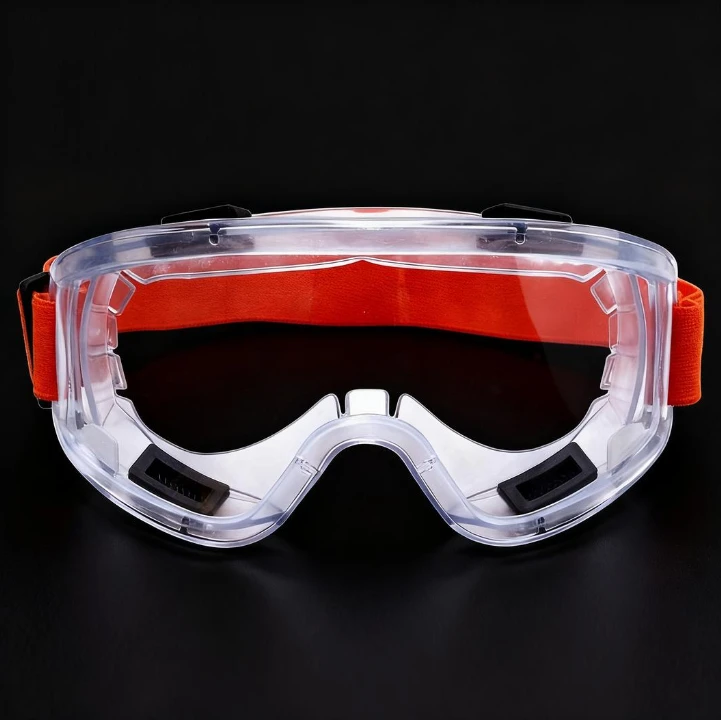
Shield Wings manufactures hearing protection earmuffs and eye protection at a Guangdong production base and supplies industrial customers and distributors with attenuation data, fitting guidance and the documentation a programme needs. The protectors are listed on the hearing protection earmuffs page and in the wider eye and ear protection range.
The turnaround that protects people’s hearing is the one where the exposure was estimated before the window opened, the protection was available at the workface, and the crews were told what applies where. Everything else is improvised in the first week, when nobody has time to improvise.
For the wider topic and related decisions, see our Hearing Protection & Noise Control.
Frequently Asked Questions
Why is shutdown work a noise problem when the plant is stopped?
Because the noise comes from the maintenance work rather than the process. Air tools, impact wrenches, hammering, hydro-blasting, grinding, cutting, generators and steam venting all produce high levels, several happen at once, and confined or reflective spaces amplify them. The plant being idle does not make the environment quiet.
Does short exposure during a shutdown matter?
Yes. Exposure is a product of level and time, and a high level for a short period is still an exposure. Turnarounds also concentrate many exposures into a few weeks, and crews often work longer shifts during that period, so the accumulated exposure can be significant even though the work is temporary.
What should be planned before the shutdown starts?
The measured or estimated levels for each work area, the protection selected against them, the arrangements for communication between crews, the stock of protectors and consumable parts, and the rules for contractors working alongside the host’s own teams. Since the window is short, the equipment and the rules should be in place before it opens rather than improvised during it.
Can hearing protection be worn with the other equipment used in turnarounds?
It has to be, because turnarounds combine hearing protection with helmets, face shields, respiratory protection and welding equipment. Helmet-mounted protectors suit tasks where a helmet is already worn, plugs avoid the interference altogether, and where several items are used together the assembly should be checked rather than assembled on the day.
How should noise be managed while the work is happening?
By scheduling noisy tasks together rather than spreading them across the day, keeping the noisiest work away from people who do not need to be near it, rotating crews through the loudest areas, and using quieter tooling or fitted mufflers where they are available. These measures reduce the exposure before protection is considered, which is where the hierarchy of controls puts them.

Planning protection for a turnaround?
Send the work areas, the tools involved and the trades on site. Shield Wings confirms the protector options, the attenuation data and the consumables to stock for the window.
External references: 29 CFR 1910.95 occupational noise exposure, 29 CFR 1910.132, UK HSE noise guidance, CCOHS PPE answers, CEN-CENELEC standards portal, Regulation (EU) 2016/425.