

PPE for construction workers must change with the job because a construction site changes daily — one week the hazard is excavation, the next it is height, then demolition and live electrical work. This guide maps the hazards to the equipment, with reference to Shield Wings’ construction safety gear.
(Last modified date: October 2, 2026)
Quick definition: The main hazards are falls from height, struck-by objects, crushing, electrical contact, dust and silica, noise, and manual handling — and each one is controlled by a different piece of equipment.
Key Takeaways
- Construction PPE needs a phase-by-phase approach because the hazard profile changes as the site progresses — excavation, foundations, structure, cladding, and finishing each present different risks, and a PPE program…
- Construction workers need Type II helmets with chin straps — protecting against both top impact and lateral impact — with the right accessories for the task, because falling and swinging objects strike from every…
- Fall protection PPE includes the full- body harness, connecting lanyard or self-retracting lifeline, and anchor points — selected, fitted, and inspected as a system, because a harness alone is not fall protection.
- Eyes, hands, and feet each face site-specific hazards: high-impact glasses or goggles for dust and flying debris, task-matched gloves for cutting, handling, and hot work, and safety boots with toe, puncture, and slip…
- Dust, silica, and noise are the invisible hazards of construction: filtering respirators matched to the dust type, hearing protection matched to measured noise levels, and controls that reduce exposure at the source.
- Build the program in five steps: a phase-by-phase hazard assessment, a role and trade equipment matrix, procurement from qualified suppliers, training and fit, and regular audits that check the field against the…
Why Does Construction PPE Need a Phase-by-Phase Approach?
Construction PPE needs a phase-by-phase approach because the hazard profile changes as the site progresses — excavation, foundations, structure, cladding, and finishing each present different risks, and a PPE program fixed at one phase will be wrong by the next.
On day one the site is a hole in the ground; three months later it is a steel frame with workers at height; by the end it is an interior with dust, noise, and finishing chemicals. A single equipment list cannot cover all of it. The solution is a simple matrix: each work phase lists its hazards, the required equipment, and the trades affected. The matrix is reviewed when the phase changes and enforced at the gate, so the worker stepping onto the site gets the equipment the current work actually demands.
What Are the Main Hazards on a Construction Site?
The main hazards are falls from height, struck-by objects, crushing, electrical contact, dust and silica, noise, and manual handling — and each one is controlled by a different piece of equipment.
| Hazard | Typical equipment |
|---|---|
| Falls from height | Harness, lanyard, anchor points |
| Struck-by objects | Type II helmet, high-visibility clothing |
| Foot impact and puncture | Safety boots with toe and puncture protection |
| Eye impact and dust | High-impact glasses or goggles |
| Electrical contact | Arc-rated clothing where live work exists |
| Noise | Earmuffs or earplugs |
| Dust and silica | Filtering respirators |
The table is the starting point; the site assessment decides the details. A demolition crew needs dust and eye protection first, a steel crew needs fall protection and impact-rated headwear, and an electrical crew adds arc-rated clothing. The equipment list should be reviewed at every phase change and after any incident or near-miss.
What Head Protection Do Construction Workers Need?
Construction workers need Type II helmets with chin straps — protecting against both top impact and lateral impact — with the right accessories for the task, because falling and swinging objects strike from every direction.
Traditional hard hats protect the top of the head, but construction hazards come from the side and rear as well: swinging loads, protruding steel, and falls. Type II helmets add lateral impact protection and stay on with a chin strap, which matters when a worker falls or moves quickly. The electrical class matters where workers are near live equipment. Accessories extend the helmet into a system: face shields for grinding, earmuffs for noise, and communication units for coordination. Replace helmets after any significant impact and on the manufacturer’s date-based schedule, because UV and heat degrade the shell invisibly.
What Does Fall Protection PPE Include?
Fall protection PPE includes the full- body harness, connecting lanyard or self-retracting lifeline, and anchor points — selected, fitted, and inspected as a system, because a harness alone is not fall protection.
The harness must fit the worker and be worn correctly — chest strap, leg straps, and dorsal ring adjusted so a fall is caught without injuring the wearer. The connecting element matches the work: a lanyard with shock absorber for limited movement, a self-retracting lifeline for work near edges. The anchor point is the part most often ignored: it must be rated for the load and positioned to limit free fall. Inspect every component before use and retire any harness that has arrested a fall. Training is part of the PPE: a harness that is worn wrong is worse than none, because it creates the illusion of protection.
How Do You Protect Eyes, Hands, and Feet on Site?
Eyes, hands, and feet each face site-specific hazards: high-impact glasses or goggles for dust and flying debris, task-matched gloves for cutting, handling, and hot work, and safety boots with toe, puncture, and slip protection for the ground conditions.
Eye protection must be impact-rated — Z87+ or the EN equivalent — and worn from the moment the worker enters the work area, because tools and materials move overhead constantly. Gloves follow the task: cut-resistant for rebar and metal handling, chemical-resistant for coatings and solvents, and insulated or FR options where heat exists. Boots carry the worker’s weight all day, so protection and comfort must be balanced: steel or composite toe for impact, puncture plates for debris, and slip-resistant soles for the surfaces in use. Fit testing for all three is the difference between equipment issued and equipment worn.
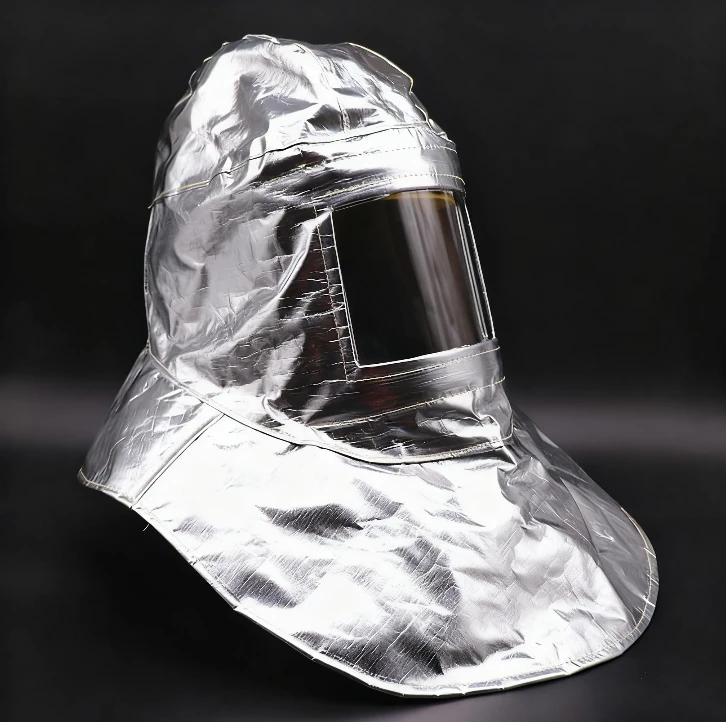
A Type II helmet adds lateral impact protection and a chin strap — it is not the same product as a basic hard hat.
How Do You Manage Dust, Noise, and Silica Exposure?
Dust, silica, and noise are the invisible hazards of construction: filtering respirators matched to the dust type, hearing protection matched to measured noise levels, and controls that reduce exposure at the source.
Silica from cutting concrete and masonry is a serious cumulative hazard, so wet cutting, dust extraction, and respirators work together — never a dry cut without protection. Noise from saws, compactors, and demolition exceeds safe levels quickly, and hearing damage is permanent; match the NRR to the measured level and wear protection for the whole noisy task. Respiratory protection must be fit-tested, because a leaking mask protects no one. These hazards are invisible, which is why they are the most likely to be skipped — and why they belong in the written matrix rather than left to judgment.
What OSHA Requires on a Construction Site
Construction PPE is not left to judgement. Four requirements in the general industry standards set the floor, and two of them decide the head and eye protection most sites buy.
29 CFR 1910.135 covers head protection. It requires the employer to ensure that each affected employee wears a protective helmet when working in areas where there is a potential for injury to the head from falling objects, and to ensure that a helmet designed to reduce electrical shock hazard is worn when near exposed electrical conductors that could contact the head. The same section names ANSI Z89.1 among the recognised consensus standards for head protection.
That paragraph is where the Type II question is actually settled. The requirement is written around the hazard — falling objects, and electrical contact — not around a product category, so a site that cannot rule out lateral impact needs a helmet that is tested for it, and a site with exposed conductors needs the electrical rating as well. One helmet can satisfy both only if it carries both, which is why the specification should name the test standard rather than the style of hat.
29 CFR 1910.133 covers eye and face protection and is unusually specific in two places that construction sites get wrong. It requires eye protection that provides side protection where there is a hazard from flying objects, and it explicitly accepts detachable side shields that meet the section’s requirements. It also requires that an employee who wears prescription lenses while doing work with eye hazards either wears protection that incorporates the prescription, or wears protection that can be worn over the prescription lenses without disturbing the position of either pair.
29 CFR 1910.136 sets the footwear requirement: protective footwear is required where there is a danger of foot injury from falling or rolling objects, from objects piercing the sole, or where the footwear protects against an electrical hazard remaining after other measures. It names ASTM F2412 and F2413 among the recognised standards.
Underneath all four sits the general duty in 1910.132(d): assess the workplace, select equipment that protects against the hazards identified, communicate the selection to each affected employee, select PPE that properly fits, and certify the assessment in writing.
The practical reason this matters on a construction site specifically is that the hazards move. A groundworks phase and a steel-erection phase expose the same crew to different risks, so a programme certified once at mobilisation and never revisited stops matching the site. The phase-by-phase structure above is the answer to that, and the written certification is what makes it checkable.
How Do You Build the Site PPE Program?
Build the program in five steps: a phase-by-phase hazard assessment, a role and trade equipment matrix, procurement from qualified suppliers, training and fit, and regular audits that check the field against the paperwork.
The assessment identifies what the site actually exposes; the matrix assigns equipment to every trade and visitor; procurement standardizes tested, documented products; training covers wear, care, and limits; and audits verify that what workers wear matches what the matrix requires — including contractors, who must meet the same standard as employees. Review the matrix at every phase change, after incidents, and after changes in process. Construction is temporary by nature, so the program must be updated as often as the site, and the records kept ready for the day an inspector or client asks.
Confirm equipment selection against the site hazard register and the applicable standards; this guide is a starting point, not a site-specific decision.
For the wider topic and related decisions, see our PPE by Industry.
FAQs
Do contractors need the same PPE as employees?
Yes. Anyone entering the work area, including contractors and visitors, must meet the same requirements as employees.
How often should the PPE program be reviewed?
At every phase change, after incidents or near-misses, and after changes in process — in addition to a scheduled annual review.
Is a hard hat the same as a Type II helmet?
No. Type II helmets add lateral impact protection and use chin straps, which matters where swinging loads and falls are possible.
How do we get construction PPE specified for our site?
Map your site phases and hazards, then request documentation via our contact page or the construction safety gear page.
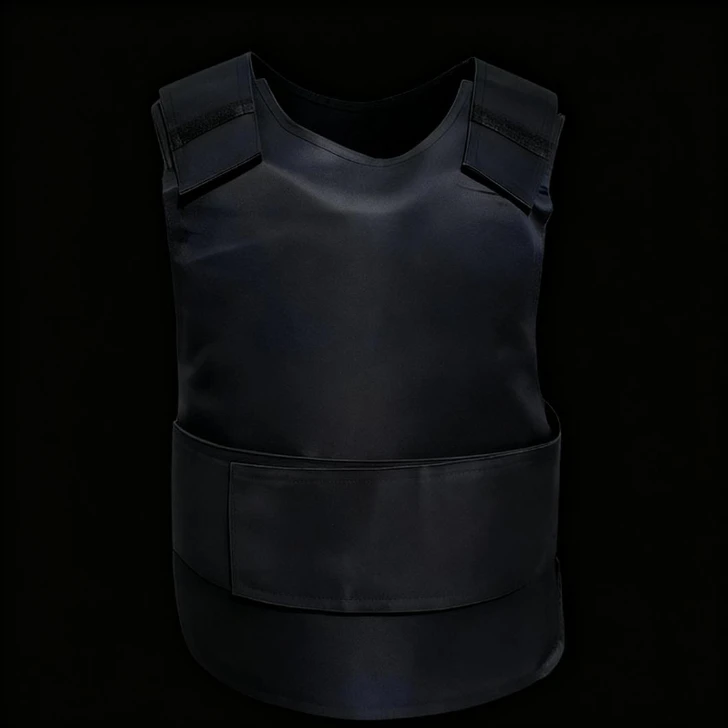
The specification changes with the phase, so the programme has to be revisited rather than fixed at mobilisation.
Related Articles
- Arc Flash PPE Categories 1-4 Explained
- Welding Fumes and Ventilation: Health Risks and Controls
- Flame Resistant Clothing for Oil and Gas: Standards and Selection
- PPE for Oil and Gas Workers: The Complete Guide
- PPE for Manufacturing: The Complete Guide
- PPE for Electrical Workers: The Complete Guide
Official Resources
- Construction Safety Gear
- How To Choose Work Boots For Construction Sites
- Safety Shoes And Boots The Complete Buying Guide
- Thermal Protective Clothing For Steel Mills
- Arc Flash Protection The Complete Guide For Electrical Workers 2
- Ppe For Electrical Workers The Complete Guide
- Steel Toe Vs Composite Toe Boots Which Should You Choose
- The Role Of Ergonomic Design In Modern Protective Equipment