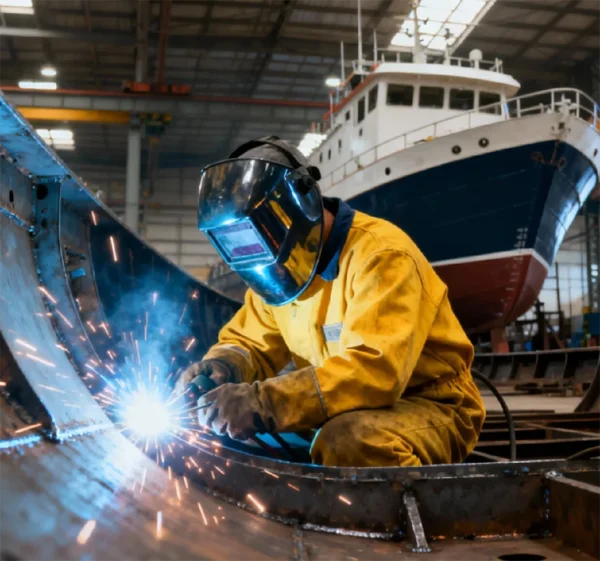
Welding fumes contain metals and gases with serious long-term health effects, and the exposure is controlled by ventilation and respiratory protection — not by hoping the smoke clears. This guide explains the risks and the ventilation controls, with reference to Shield Wings’ welding safety products.
(Last modified date: October 2, 2026)
Quick definition: Welding fume is a mixture of fine metal particles and gases created when the heat of the arc vaporizes the base metal, the filler, and the coatings — and many of its components are hazardous with repeated exposure.
Key Takeaways
- Exposure is measured by sampling the air the welder breathes and comparing the results to occupational exposure limits — the measurement decides whether controls are needed and which ones.
- Ventilation controls range from general ventilation that dilutes fume to local exhaust ventilation that captures it at the source — and local exhaust is the most effective for most welding positions.
- Respiratory protection is required when ventilation cannot bring the exposure below the limit — common in confined spaces, on coated metals, with stainless steel, and during sustained production — and the respirator…
- Build the program around the measurement: assess the exposure, apply the controls that reduce it, verify with re-measurement, train the welders, and review the program when the process changes.
What Is Welding Fume and Why Is It Dangerous?
Welding fume is a mixture of fine metal particles and gases created when the heat of the arc vaporizes the base metal, the filler, and the coatings — and many of its components are hazardous with repeated exposure.
The fume composition depends on what is being welded: mild steel produces iron oxide, stainless steel adds hexavalent chromium, galvanized material produces zinc oxide, and filler metals add manganese and other elements. Exposure can cause metal fume fever, respiratory irritation, and with long-term exposure, serious conditions including lung damage and occupational asthma. The risks are cumulative and often invisible until symptoms appear, which is why the exposure is managed by measurement and control rather than by feel.
How Is Welding Fume Exposure Measured?
Exposure is measured by sampling the air the welder breathes and comparing the results to occupational exposure limits — the measurement decides whether controls are needed and which ones.
Personal air sampling measures the actual exposure over the shift; the results are compared to the applicable limits for each metal. When the exposure approaches or exceeds the limit, the program must reduce it — by ventilation, work practice, and respiratory protection where needed. The measurement is the evidence behind every control decision, and it should be repeated when the process, materials, or duration change. Without measurement, the program is guessing.
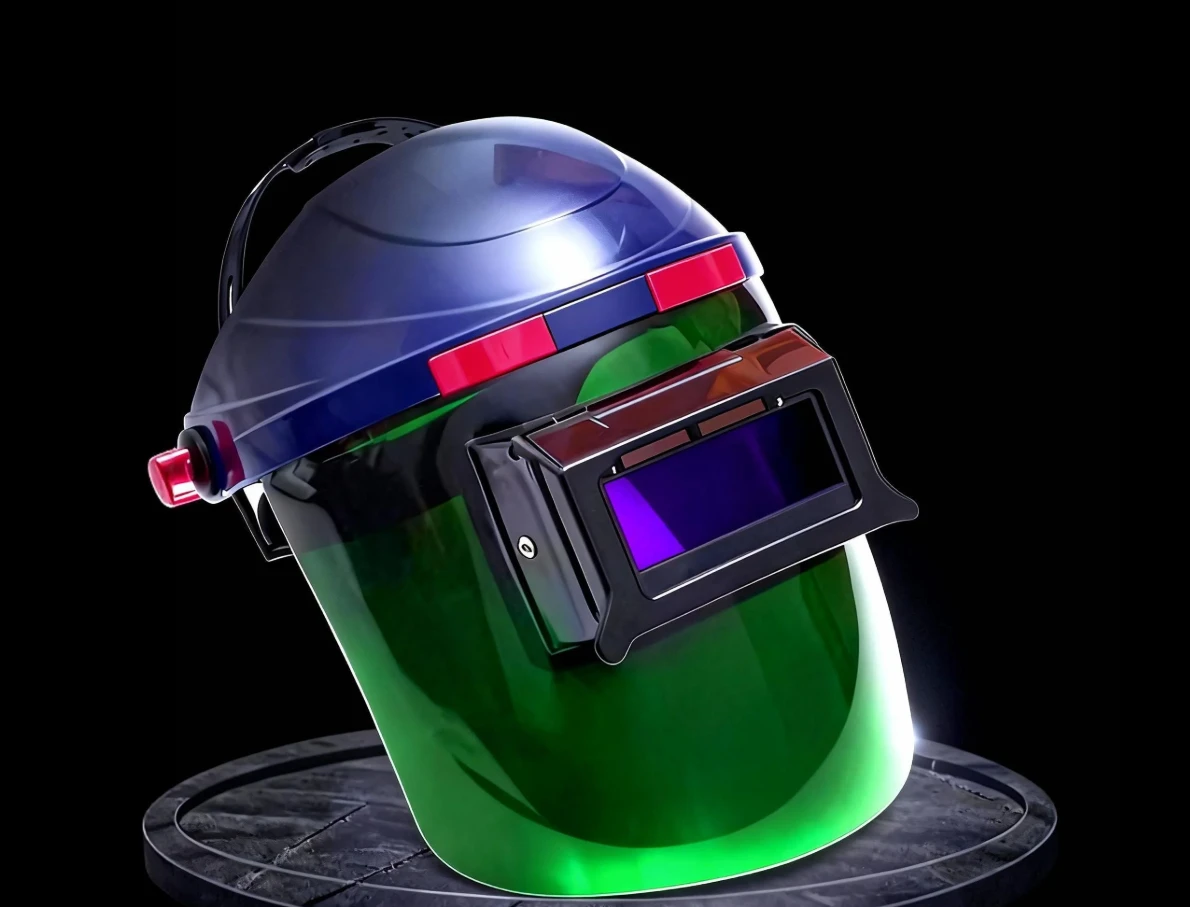
Extraction is sized to the work, and it changes the moment the work moves.
What Ventilation Controls Reduce Fume Exposure?
Ventilation controls range from general ventilation that dilutes fume to local exhaust ventilation that captures it at the source — and local exhaust is the most effective for most welding positions.
| Control | How it works | Best for |
|---|---|---|
| General ventilation | Dilutes fume in the space | Low exposure, outdoor |
| Local exhaust | Captures fume at the arc | Production welding |
| Fume extraction guns | Removes fume at the torch | MIG and FCAW |
| Confined-space ventilation | Supplies and removes air | Tanks and vessels |
Local exhaust ventilation captures the fume where it is created, before it reaches the welder’s breathing zone. Fume extraction guns integrate suction with the MIG torch. Confined-space work needs dedicated ventilation plus gas testing, because fume concentrates quickly in a small volume. The control is matched to the task, the position, and the measured exposure.
What the Ventilation Requirement Actually Specifies
Ventilation for welding is not judged by whether an extractor is present. The requirement is written in air flow at a stated distance from the arc, which makes it measurable — and makes it obvious when a setup is undersized.
OSHA 1910.252 sets minimum air flow that increases as the extraction hood moves further from the arc, with a matching duct diameter. Those are the figures to design the extraction against:
| Distance from arc or torch | Minimum air flow (cfm) | Duct diameter (inches) |
|---|---|---|
| 4 to 6 inches | 150 | 3 |
| 6 to 8 inches | 275 | 3½ |
| 8 to 10 inches | 425 | 4½ |
| 10 to 12 inches | 600 | 5½ |
The shape of the table is the operational lesson. Moving the hood from four inches to twelve multiplies the required flow by four, which is why an extraction system that works perfectly at the bench can be inadequate the moment the work moves somewhere the hood cannot follow — on site, in a confined space, or on a weldment too large to bring to the bench. That is a planning problem to solve before the job starts, not a PPE problem to solve once the welder is in position.
The same regulation carries the filter-shade minimums for eye protection, which is the other half of the same paragraph and the reason shade selection belongs in the same conversation as fume control: both are answers to what the arc produces, and both are specified rather than chosen by preference.
Two habits keep a shop on the right side of this. First, write the flow figure into the equipment purchase rather than accepting whatever the unit’s marketing states. Second, treat the extraction as part of the job plan — the fixture, the position and the airflow are decided together, because moving any one of them changes the requirement.
When Is Respiratory Protection Required?
Respiratory protection is required when ventilation cannot bring the exposure below the limit — common in confined spaces, on coated metals, with stainless steel, and during sustained production — and the respirator must be fit-tested.
Respiratory protection should be selected through the employer’s exposure assessment and respiratory-protection program, including medical evaluation, fit testing, filter selection, and training where required. For production welding or high-exposure materials, powered air-purifying respirators (PAPR) deliver filtered air continuously under the helmet, improving both protection and comfort. Match the filter class to the fume analysis and fit-test every respirator, because a leaking seal protects no one. Respiratory protection is the last layer behind ventilation and work practice, not the first.
How Do You Build the Fume Control Program?
Build the program around the measurement: assess the exposure, apply the controls that reduce it, verify with re-measurement, train the welders, and review the program when the process changes.
Document the materials welded, the positions, and the ventilation in use. When the process adds stainless steel, galvanized material, or confined-space work, re-assess the exposure and adjust the controls. Train welders on positioning, on keeping the nozzle close, and on why the ventilation stays on. The program that measures, controls, verifies, and reviews keeps the exposure below the limit over the welder’s career.
Assign ventilation maintenance to a named owner, inspect extraction performance on schedule, and repeat exposure monitoring whenever welding materials, process duration, or work location change. Respiratory protection must follow the facility’s exposure assessment and respiratory-protection program.
Exposure controls must follow air monitoring, material hazards, and the employer’s respiratory-protection program, and selection must conform to the applicable standard and requirements.
For the wider topic and related decisions, see our Welding Safety & Welding PPE.
FAQs
Is welding outside safe from fume?
Outdoor work reduces but does not eliminate exposure; match the controls to the measured exposure and the wind conditions.
What filter should welding respirators use?
Match the filter to the fume analysis — particulate filters for metals, with additional protection where gases are present.
How often should ventilation be checked?
Check local exhaust on a schedule and re-measure exposure when the process, materials, or duration change.
How do we set up fume control for our shop?
Request the fume control planning guide — tell us your processes via our contact page, or ask Shield Wings’ factory team on the welding safety products page.
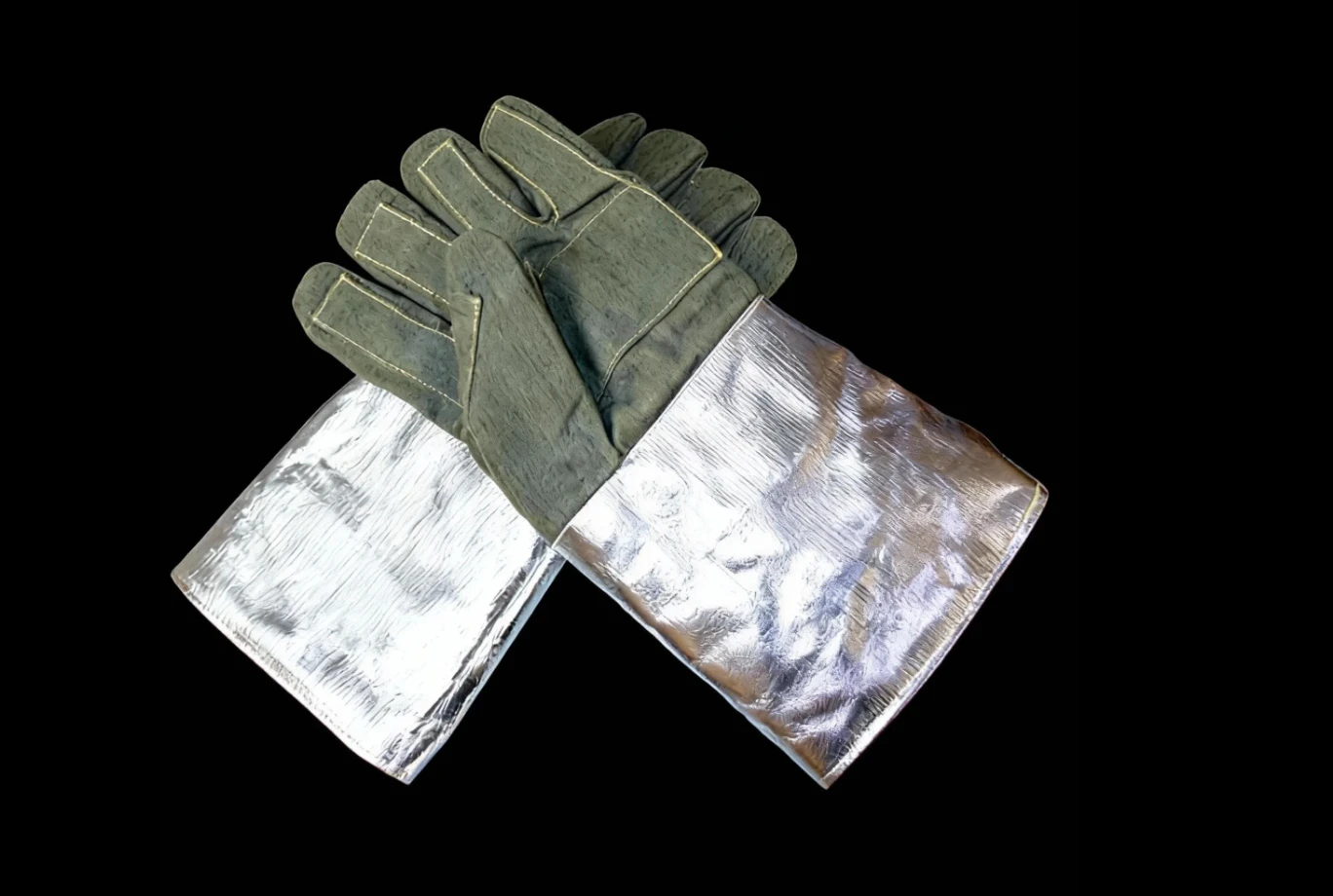
PPE answers what reaches the welder; extraction answers what reaches the welder at all.
Related Articles
- Dielectric Boots vs EH Rated Boots: What’s the Difference
- Flame Resistant Coveralls: The Buyer’s Guide
- Welding Gloves: Types Heat Ratings and Selection
- Essential Welding Safety Rules for Beginners
- Eye Protection for Welders: Helmets Goggles and Filters
- Auto-Darkening Welding Helmet Buying Guide: DIN Shades and Lens
Official Resources
- Welding Safety Products
- Welding Safety Products
- Aluminum Foil Heat Protective Clothing How It Works
- Contact Shield Wings