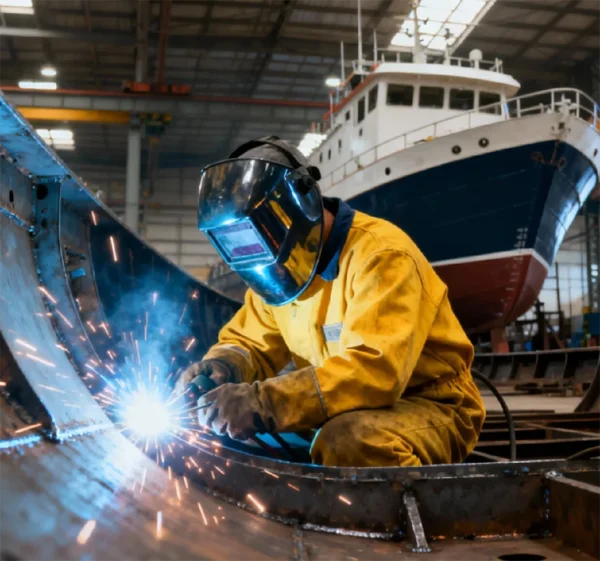
Welding safety for beginners comes down to a few rules that protect against the hazards new welders do not yet see — the arc, the sparks, the fumes, and the fire risk — and following them from the first weld builds the habits that last a career. This guide lists the essential rules, with reference to Shield Wings’ welding safety products.
Last updated:
Quick definition: What Are the Essential Safety Rules?
Key Takeaways
- Beginners need clear rules because the hazards of welding are invisible or fast — the arc radiation, the fume, the fire that starts minutes later — and a new welder focused on the weld will miss the risks around it.
- The beginner’s first check is the helmet and the gloves: the lens must be the correct shade and undamaged, and the gloves must be dry and intact — because these are the pieces that protect the eyes and hands closest to…
- Handle fire risk before the weld: clear or shield combustibles, check for sparks reaching hidden areas, keep an extinguisher within reach, and stay for the cooldown period after the weld.
- A beginner should position to keep the head out of the fume plume, use ventilation where available, and ask about respiratory protection before starting work in a confined space or on coated metals.
Why Do Beginners Need Clear Rules?
Beginners need clear rules because the hazards of welding are invisible or fast — the arc radiation, the fume, the fire that starts minutes later — and a new welder focused on the weld will miss the risks around it.
Experience teaches a welder to manage sparks, position, and ventilation without thinking. A beginner does not have that instinct yet, so the rules stand in for it. The rules cover the equipment, the body, the environment, and the process, and they protect the beginner while the habits form. Following them from the first weld is easier than unlearning bad habits later.
What Are the Essential Safety Rules?
- Wear the full PPE system — helmet with the correct shade, safety glasses under it, FR clothing, leather gloves, and closed boots, with no synthetics near the body.
- Check the equipment before striking the arc — lens clean and unbroken, cables intact, work clamp connected, and the helmet headband secure.
- Clear the work area — remove combustibles within the spark range, or shield them, and know where the fire extinguisher is.
- Ventilate the work — use local exhaust or position yourself out of the fume, and use respiratory protection where required.
- Keep the arc out of your eyes — never look at the arc without the shade lens, even for a second, and make sure others know the arc is live.
- Close the gaps — collars up, cuffs buttoned, pockets closed, and FR trouser legs over the boots.
- Stop if something is wrong — a strange smell, a hot cable, or an uncomfortable position is a reason to stop and check, not to push through.
What Equipment Should a Beginner Check First?
The beginner’s first check is the helmet and the gloves: the lens must be the correct shade and undamaged, and the gloves must be dry and intact — because these are the pieces that protect the eyes and hands closest to the arc.
Before the first weld, confirm the shade matches the process and the lens has no cracks or pitting. Check the gloves for holes and moisture, and the FR clothing for gaps. Then check the welding machine basics: cables, connections, and the work clamp. A two-minute check before the arc prevents the failures that happen at the moment of ignition. Beginners should make the check a ritual from day one.
How Do You Handle Fire Risk as a Beginner?
Handle fire risk before the weld: clear or shield combustibles, check for sparks reaching hidden areas, keep an extinguisher within reach, and stay for the cooldown period after the weld.
Sparks and slag travel farther than beginners expect and can start fires in gaps, bins, and behind equipment. The hot work routine — clear the area, protect what cannot move, keep the extinguisher ready, and watch after the weld — is the same for a beginner and a veteran. A fire that starts after the welding stops is the classic beginner mistake. Stay and watch the work area through the cooldown, and know how to use the extinguisher before you need it.
What Should a Beginner Do About Fumes?
A beginner should position to keep the head out of the fume plume, use ventilation where available, and ask about respiratory protection before starting work in a confined space or on coated metals.
Fume exposure is cumulative and often unnoticed, so the beginner builds the habit of checking the air, not just the weld. Keep the face out of the plume, keep local exhaust close to the arc, and never weld galvanized or coated material without checking the fume controls. In a confined space, ventilation and gas testing come before the helmet. The rule is simple: if the air looks or smells wrong, stop and ask.
The rules should be reinforced with supervision in the early weeks: a mentor or supervisor checks the beginner’s equipment, position, and housekeeping until the habits hold. Review the beginner’s first welds for the basics —the area cleared, the helmet down, the ventilation on —and correct before the habit sets. A shop or factory that supplies the beginner’s PPE package with the documentation and a checklist makes the start consistent. The beginner who learns the rules under supervision becomes the welder who follows them without thinking.
Select eye and face protection for the process, radiation level, impact hazard, and compatibility with other PPE; confirm against the applicable standard.
The Pre-Check, Written Down
Beginners do not get hurt because the rules are unknown; they get hurt because the check that should happen before the first arc is a habit rather than a list. Written down, it takes about two minutes and it produces something the shop can point at afterwards.
| Check | What it looks for | Record |
|---|---|---|
| Area and flammables | Screens in place, combustibles cleared or covered, floor swept | Bay checklist initialled |
| Ventilation | Local extraction running, or the position opened up | Same checklist |
| Equipment | Cable and torch insulation, regulator and hose condition | Same checklist |
| PPE | Helmet shade set for this process, glasses under it, FR layer, gloves, boots | Same checklist |
| Fire watch | Someone watching the area during and after the work | Name and finish time recorded |
| Hot work permit | Permit raised where the site requires one | Permit number on the job card |
Worked example: the first week of a new welder
Illustrative sequence for a small shop. Day one, observation with a screen and glasses only, with an explanation of why. Day two, the beginner performs the pre-check and sets the shade under supervision, then watches the regular welder run the same joint. Day three, first supervised beads at low amperage with the trainer’s hand on the machine. Day four and five, simple joints independently with a spot check. The purpose of the sequence is not paperwork: it lets the shop see whether the pre-check is understood before it has to be relied on, which is the failure that shows up in the incident report as “the area had not been cleared”.
What the checklist cannot cover
A fire watch is a person watching, not an extinguisher standing by: the risk window runs for a while after the arc stops, and slag can travel into places the welder never sees. Two more beginner hazards live outside the checklist — hot workpieces left unmarked, and the cylinder handling and regulator checks that belong to the gas set rather than the arc. And no procedure fixes a helmet the welder cannot see through: if the shade is wrong for the process, the helmet comes up, and the checklist has to include the shade setting for a reason.
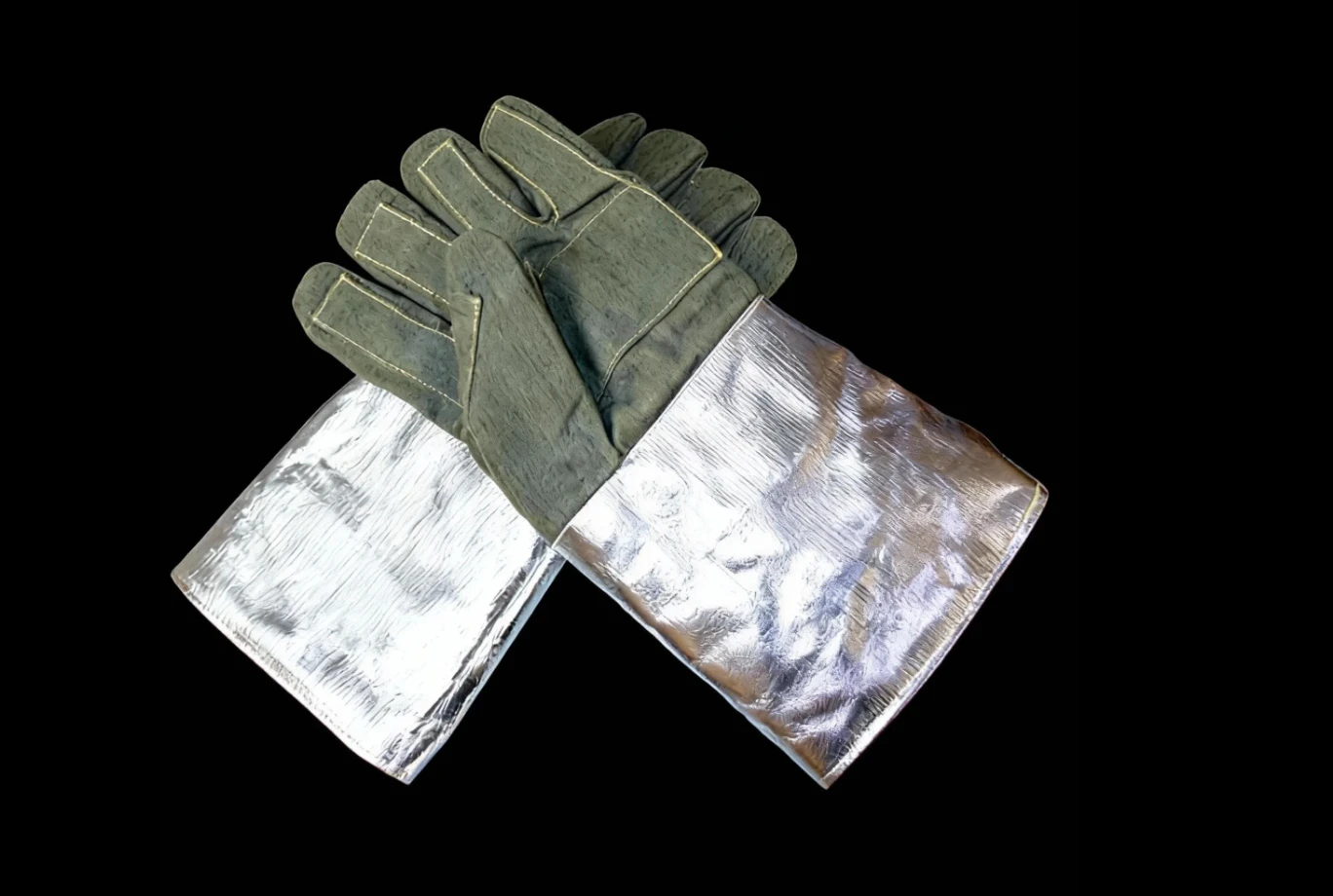
For the wider topic and related decisions, see our Welding Safety & Welding PPE.
FAQs
Can I watch a weld without a helmet?
No. The arc radiation can damage your eyes even from a distance; use the shade lens or a welding screen.
What is the most common beginner mistake?
Starting the weld without checking the area and the equipment — the two-minute check prevents most incidents.
Do I need FR clothing for a small weld?
Yes. Sparks and spatter can ignite ordinary clothing; FR clothing is the baseline for any welding task.
How do I get started with the right gear?
Request the beginner welding PPE checklist via our contact page , or ask Shield Wings on the welding safety products page .
What should a beginner do before striking the first arc?
Run the pre-check: clear or cover combustibles and put screens up, confirm extraction is running, inspect the torch, cable, regulator and hoses, put on the full set of protective equipment with the shade set for the process, and make sure a fire watch is in place. Two minutes of checking prevents most of the incidents that a beginner is most exposed to.
Is a fire extinguisher enough for a fire watch?
No. A fire watch is a person who stays with the area during the work and keeps watching it afterwards, because slag can smoulder out of sight for a while after the arc stops. The extinguisher is the tool that person uses, not a substitute for the watch itself.
Related Articles
- PPE Procurement Guide: How to Buy Safety Equipment for Your Team
- Anti-Static Workwear for the Petrochemical Industry
- FR Clothing Certifications: NFPA 2112 ASTM F1506 and EN ISO 11612
- Eye Protection for Welders: Helmets Goggles and Filters
- Auto-Darkening Welding Helmet Buying Guide: DIN Shades and Lens
- Auto-Darkening vs Passive Welding Helmets