

Welding and fabrication expose workers to arc radiation, sparks, molten metal, heat, fumes, and noise — and a complete PPE system covers every body area for welders and fabricators. This guide maps the gear, with reference to PPE welders fabricators.
(Last modified date: October 3, 2026)
Quick definition: Welders and fabricators face arc radiation, sparks and spatter, molten metal, contact heat, fumes, noise, and moving equipment — each with its own protection.
Key Takeaways
- The system includes a helmet with the correct shade, safety glasses underneath, FR clothing with leather reinforcement, welding gloves, safety shoes, and respiratory protection where fume requires it.
- Choose the helmet by the process and the shade range, confirm the optical standard, and wear impact-rated safety glasses under the helmet for particle protection.
- Choose FR clothing that covers the body with no synthetics, add leather reinforcement where spatter is heaviest, and select gloves by the process — thin for TIG, thick for MIG and stick.
- Manage fume with ventilation and respiratory protection matched to the measured exposure, and manage noise with hearing protection matched to the measured level — the invisible hazards of welding.
What Hazards Do Welders and Fabricators Face?
Welders and fabricators face arc radiation, sparks and spatter, molten metal, contact heat, fumes, noise, and moving equipment — each with its own protection.
| Hazard | Protection |
|---|---|
| Arc radiation | Welding helmet with shade lens |
| Sparks and spatter | FR clothing, leather reinforcement |
| Fumes | Ventilation and respiratory protection |
| Noise | Hearing protection |
| Impact | Safety shoes, gloves |
| Dust and debris | Safety glasses under the helmet |
The hazards act together, so the protection is a system: the helmet handles the arc, FR clothing handles the sparks, the respirator handles the fume, and the rest of the body is covered by the matched set. A gap in any layer is the injury site. The system is specified for the process and the position.
What Does the Welding PPE System Include?
The system includes a helmet with the correct shade, safety glasses underneath, FR clothing with leather reinforcement, welding gloves, safety shoes, and respiratory protection where fume requires it.
| Body area | Protection |
|---|---|
| Head and eyes | Helmet, shade lens, glasses |
| Body | FR clothing, leather |
| Hands | Welding gloves |
| Feet | Safety shoes |
| Breathing | Ventilation, respirator |
Each piece is matched to the process: the shade to the arc, the gloves to the heat, the FR layers to the spatter, the respirator to the fume. The system is documented together, and the layers are inspected before each session. A complete system is protection the welder can trust.
How Do You Choose the Helmet and Eye Protection?
Choose the helmet by the process and the shade range, confirm the optical standard, and wear impact-rated safety glasses under the helmet for particle protection.
The shade range must cover the processes in the shop, and the optical class affects eye comfort over a shift. Auto-darkening helmets suit multi-process work; passive helmets work on a budget when used correctly. The safety glasses underneath add particle protection when the helmet is raised. Confirm that the standards on the certificate for the exact model.
How Do You Choose FR Clothing and Gloves for Welding?
Choose FR clothing that covers the body with no synthetics, add leather reinforcement where spatter is heaviest, and select gloves by the process — thin for TIG, thick for MIG and stick.
The FR system covers the body in certified flame-resistant layers; leather sleeves, aprons, and bibs add protection where spatter concentrates. Gloves follow the process: dexterity for TIG, thickness and padding for MIG and stick, gauntlet cuffs for overhead work. Confirm that the FR certification on the exact models and inspect the layers before each use. The clothing and gloves that match the process are the ones that get worn.
How Do You Manage Fume and Noise?
Manage fume with ventilation and respiratory protection matched to the measured exposure, and manage noise with hearing protection matched to the measured level — the invisible hazards of welding.
Fume exposure is controlled by local exhaust and respirators where needed; noise from grinding and cutting is controlled by hearing protection. Both are measured, not guessed, and the equipment is fit-tested. The program reviews the exposure when the process or materials change. The invisible hazards are the ones most likely to be skipped — and the ones the program keeps in view.
Select eye and face protection for the process, radiation level, impact hazard, and compatibility with other PPE; confirm against the applicable standard.
Shade Numbers by Process and Current (29 CFR 1910.133(a)(5))
The filter lens shade is set by the process and the current, not by preference. The OSHA eye and face protection rule requires equipment with a shade number appropriate for the work and prints the minimum values in the regulation itself.
| Process | Arc current | Minimum protective shade |
|---|---|---|
| Shielded metal arc welding (SMAW, stick) | Less than 60 A / 60–160 A / 160–250 A / 250–550 A | 7 / 8 / 10 / 11 |
| Gas metal arc and flux cored arc welding (MIG, FCAW) | Less than 60 A / 60–160 A / 160–250 A / 250–500 A | 7 / 10 / 10 / 10 |
| Gas tungsten arc welding (TIG) | Less than 50 A / 50–150 A / 150–500 A | 8 / 8 / 10 |
Two details in the same paragraph matter as much as the numbers. Start at the minimum shade and only move lighter if you can still see the weld zone without going below that minimum, because the table is a floor rather than a target. And safety glasses worn underneath the helmet have to meet the eye-protection standard — 29 CFR 1910.133(b)(1)(i) accepts ANSI/ISEA Z87.1-2010, and side protection is required where flying objects are a hazard (1910.133(a)(2)).
Three jobs in one shift, three shades
Illustrative example from the table: a welder runs stick at 120 A, then MIG at 200 A, then TIG at 90 A in the same shift. Stick at 120 A sits in the 60–160 A band, so the minimum is shade 8. MIG at 200 A sits in the 160–250 A band, so the minimum is shade 10. TIG at 90 A sits in the 50–150 A band, so the minimum is also 8. One welder, two different minimums on the same day — which is the practical case for an auto-darkening helmet with an adjustable range instead of three fixed lenses.
Where the table is not the whole answer
The table gives a minimum for the process and current. Long, close viewing of the arc from a fixed position can justify stepping up, and a customer’s welding procedure specification or a local rule can set a stricter shade than the federal floor. Overhead and out-of-position welding also change what reaches the eyes and neck, so the helmet, the FR layer and the glasses underneath have to be chosen together.
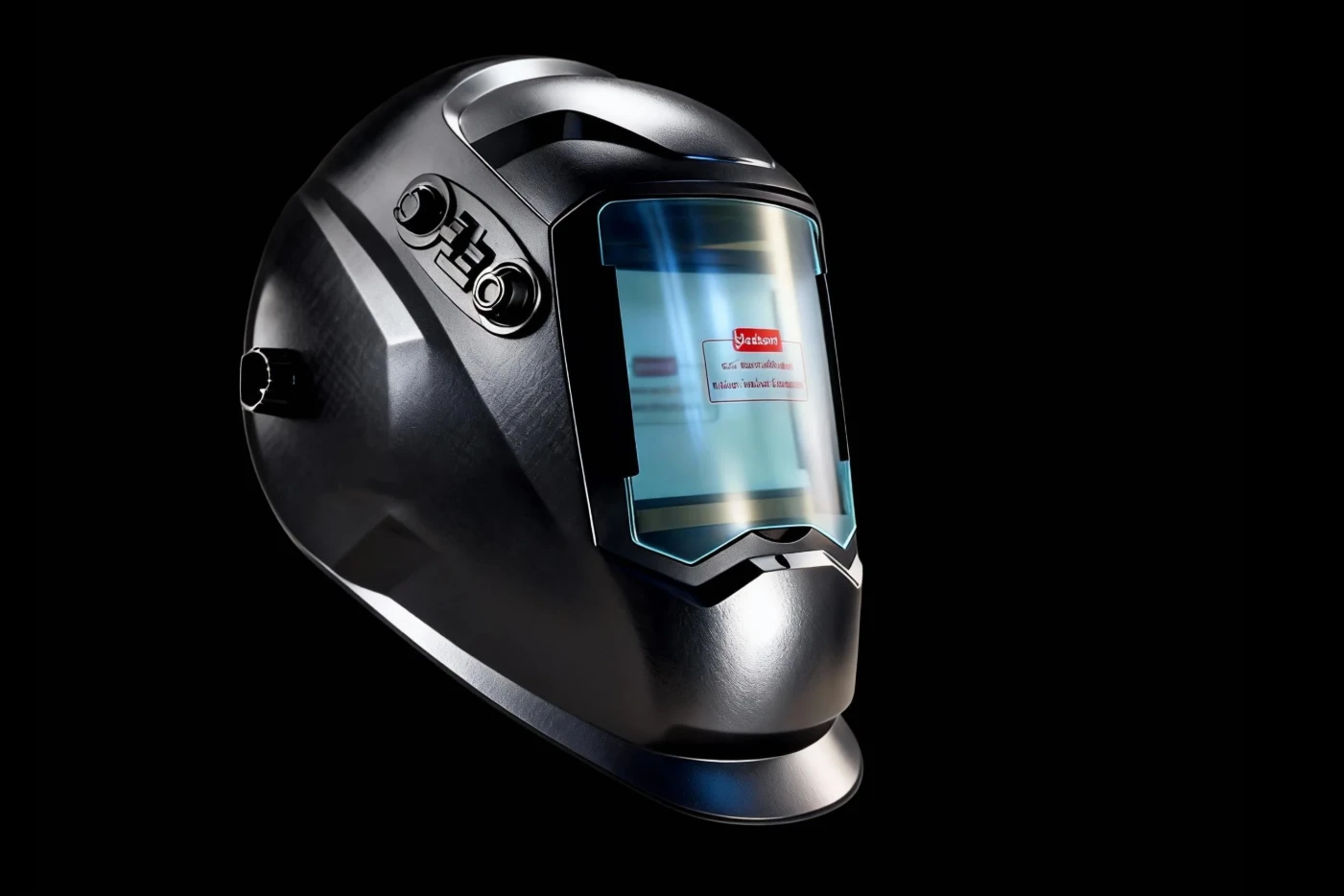
For the wider topic and related decisions, see our Welding Safety & Welding PPE.
FAQs
Can a welder wear a regular jacket under the FR layer?
No. Any layer that can melt or ignite defeats the system; all layers must be FR or non-flammable.
Do we need respiratory protection for every weld?
Where ventilation cannot control the fume, yes — match the respirator to the measured exposure.
What is the most overlooked piece?
The safety glasses under the helmet and the hearing protection — both are skipped easily and both matter. Glasses worn under a helmet must meet ANSI/ISEA Z87.1-2010 (29 CFR 1910.133(b)(1)(i)).
How do we build the complete system?
Tell us your processes and we will recommend the full package with documentation through the welding safety products page or our contact page.
What PPE is required for welders?
At minimum: a helmet with the correct filter shade for the process and current (29 CFR 1910.133(a)(5)), safety glasses underneath, FR clothing, welding gloves, and safety footwear — plus fume control and hearing protection where the process demands them.
Can one shade cover MIG and TIG?
Not usually. In the federal table, TIG at 50–150 A has a minimum of shade 8 while MIG at 160–250 A has a minimum of shade 10, so a single fixed lens cannot satisfy both jobs.
Related Articles
- Aluminum Foil Hoods: Heat Protection Applications
- FR Clothing for Welders: What You Actually Need
- FR Clothing Certifications: NFPA 2112 ASTM F1506 and EN ISO 11612
Official Resources
- Welding Safety Products
- Welding Helmet Standards En 379 And Ansi Z87 1 Standards
- Safety Shoes And Boots The Complete Buying Guide
- Safety Glasses The Complete Buying Guide
- Puncture Resistant Safety Shoes Standards And Applications
- Welding Gloves Types Heat Ratings And Selection
- Arc Flash Protection The Complete Guide For Electrical Workers
- Smart Safety Helmets Features Benefits And Roi