

Welding helmet standards define what the lens and the shell must do — EN 379 grades auto-darkening filters on optical quality and switching, while ANSI Z87.1 covers impact and shade performance — and the marks prove the test. This guide explains the standards, with reference to Shield Wings’ welding helmets.
(Last modified date: October 2, 2026)
Quick definition: EN 379 is the European standard for automatic welding filters, grading the lens on optical class, shade accuracy, switching performance, and light state — with the results marked on the filter.
Key Takeaways
- Standards matter because the lens is the protection: a filter that distorts, shifts shade, or fails to darken in time can damage the eyes even when the helmet looks fine — and the standard mark is the proof the lens was…
- ANSI Z87.1 is the US standard for eye and face protection, covering impact protection and shade requirements for welding helmets and their lenses.
- The standards work together: EN 379 grades the auto-darkening filter’s optical and switching performance, while ANSI Z87.1 covers the impact and shade requirements for the market — a helmet can carry both.
- Verify the standard mark on the filter and shell, request the certificate for the exact model, and confirm the shade range covers the processes you run.
Why Do Welding Helmet Standards Matter?
Standards matter because the lens is the protection: a filter that distorts, shifts shade, or fails to darken in time can damage the eyes even when the helmet looks fine — and the standard mark is the proof the lens was tested.
The welding helmet protects the eyes and face from arc radiation, and its performance depends on the filter and the shell. Standards set minimum requirements for optical quality, shade accuracy, switching speed, and impact protection, and they are verified by testing. A helmet without the mark has not demonstrated it meets those requirements. For buyers, the standard is the contract between the product and the protection it promises.
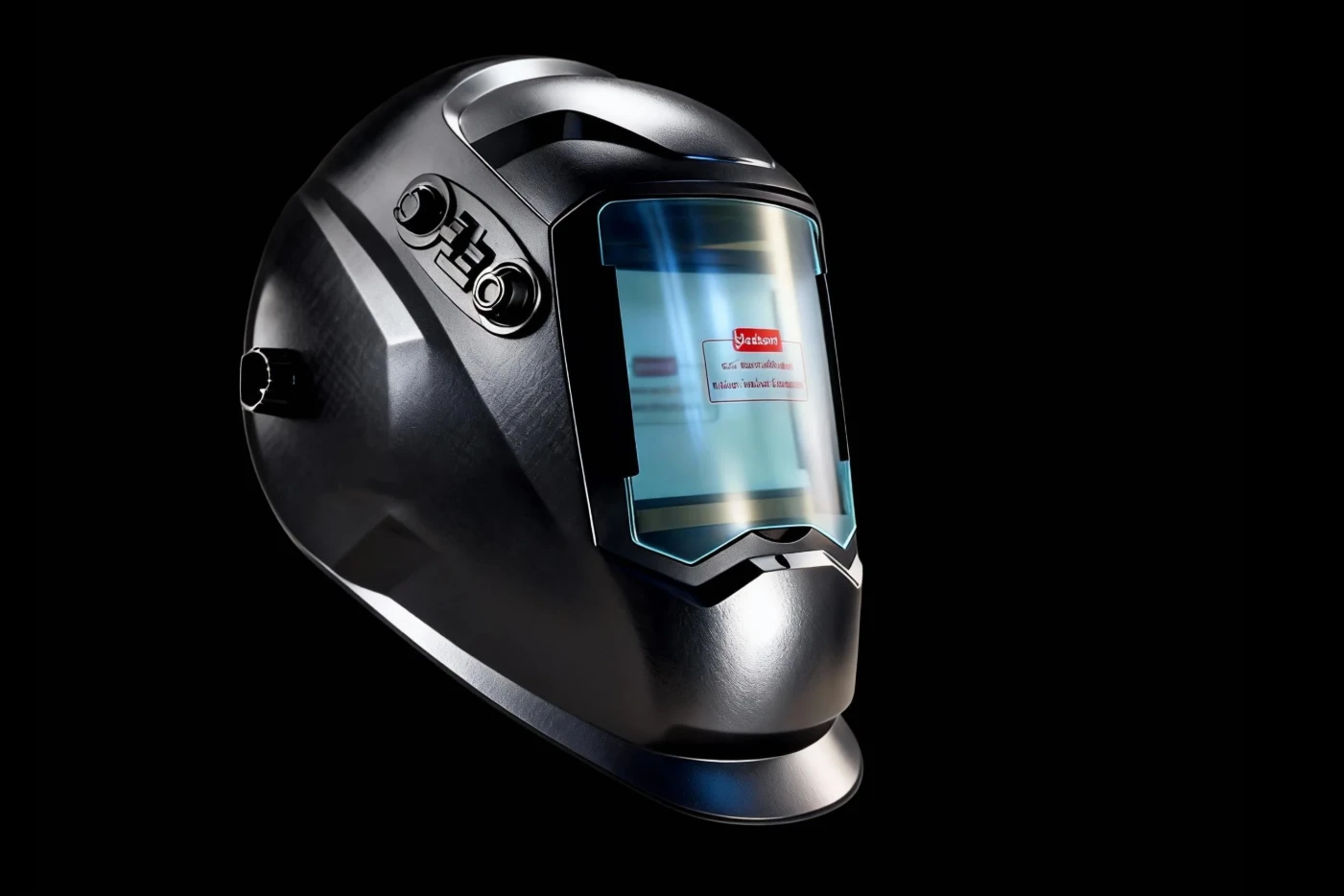
The marking is the first evidence; the certificate is the second.
What Does EN 379 Cover?
EN 379 is the European standard for automatic welding filters, grading the lens on optical class, shade accuracy, switching performance, and light state — with the results marked on the filter.
| EN 379 property | What it measures |
|---|---|
| Optical class | Distortion and clarity |
| Shade accuracy | Dark state matches the label |
| Switching time | Speed of darkening |
| Light state | Clarity before the arc |
The optical class grades how much the lens distorts the view, which affects eye strain and weld visibility over a shift. Shade accuracy confirms the dark state matches the labeled shade. Switching time verifies the lens darkens fast enough to protect. The EN 379 mark summarizes the test results for the exact filter, and the certificate holds the detail.
What Does ANSI Z87.1 Cover?
ANSI Z87.1 is the US standard for eye and face protection, covering impact protection and shade requirements for welding helmets and their lenses.
The standard requires the helmet and lens to meet impact performance and the shade to match the process requirements. The Z87 mark on the product confirms the test. For the US market, ANSI Z87.1 is the reference that employers and auditors expect. Buyers exporting across regions should confirm the helmet carries the marks their market requires, because EN 379 and ANSI Z87.1 answer different questions and are not interchangeable.
How Do the Standards Work Together?
The standards work together: EN 379 grades the auto-darkening filter’s optical and switching performance, while ANSI Z87.1 covers the impact and shade requirements for the market — a helmet can carry both.
For global operations, choose helmets tested and documented to both standards so one model serves every market. Confirm that the certificate states the standard, the shade range, the optical class, and the model. The labels summarize the test; the certificate is the evidence. When you compare helmets, compare the optical class and the switching performance, not just the reaction-time marketing number.
What the Regulation Requires You to Be Able to Check
The standards decide what the helmet must do. The regulation decides what has to be true of the helmet you actually receive — and it asks for two things that are checkable on the shop floor.
29 CFR 1910.133(a)(4) requires eye and face protection to be distinctly marked to facilitate identification of the manufacturer. That is a small requirement with a large practical effect: a helmet whose marking is missing, worn away or painted over has lost the evidence that it is the certified model, which is exactly the situation in which a substitute part or a cheaper cartridge gets used without anyone being able to tell.
1910.133(a)(5) then requires equipment with filter lenses that have a shade number appropriate for the work being performed protection from injurious light radiation. The regulation’s own shade schedule for welding operations is set out in 1910.252 Table J-1, and it is organised by operation and electrode size — which is the regulator’s way of saying that the shade is a property of the task, not of the welder’s preference.
Put those together and the verification sequence for a helmet becomes concrete:
- Read the marking on the helmet and on the cartridge. Both should identify the manufacturer, and the cartridge should carry the standard it was tested to.
- Confirm the standard is the one your market specifies — EN 379 or ANSI Z87.1, or both where the product is cross-listed.
- Check the shade range covers every process in the shop, then set the shade per operation from the schedule rather than from habit.
- Keep the certificate for the exact model, because a certificate for the product family does not name the cartridge in the helmet.
The reason this matters more for welding helmets than for most PPE is that the helmet is a system of parts. A certified shell with an uncertified replacement cartridge is not a certified helmet, and nothing about it looks wrong from the outside — the marking and the certificate are the only two things that catch it.
Below all of it sits the general duty in 1910.132(d): assess the workplace, select equipment that protects against the hazards identified, communicate the selection, select PPE that fits, and certify the assessment in writing.
How Do You Verify a Welding Helmet’s Standard?
Verify the standard mark on the filter and shell, request the certificate for the exact model, and confirm the shade range covers the processes you run.
Confirm that the helmet model documentation and the parts availability are on file before standardizing, and review the model list when the shop adds a process.
Match the helmet to the welding process and confirm the shade range, optical class, sensitivity, delay, and lens condition against the applicable standard, with impact and face protection requirements checked separately.
For the wider topic and related decisions, see our Welding Safety & Welding PPE.
FAQs
Is EN 379 the same as ANSI Z87.1?
No. EN 379 grades auto-darkening filters; ANSI Z87.1 covers impact and shade for the US market. Choose the standard your market requires or a dual-marked model.
What is the most important number on the filter?
The optical class and switching time matter most for eye comfort and protection — read them with the certificate, not the marketing claims.
Do passive helmets carry the same standards?
Passive helmets are tested to the relevant shade and impact standards, but the auto-darkening-specific EN 379 grades apply to ADF lenses.
How do we get welding helmets with documentation?
Request the standards documentation for the exact models via our contact page, or ask Shield Wings’ factory team on the welding helmet page.
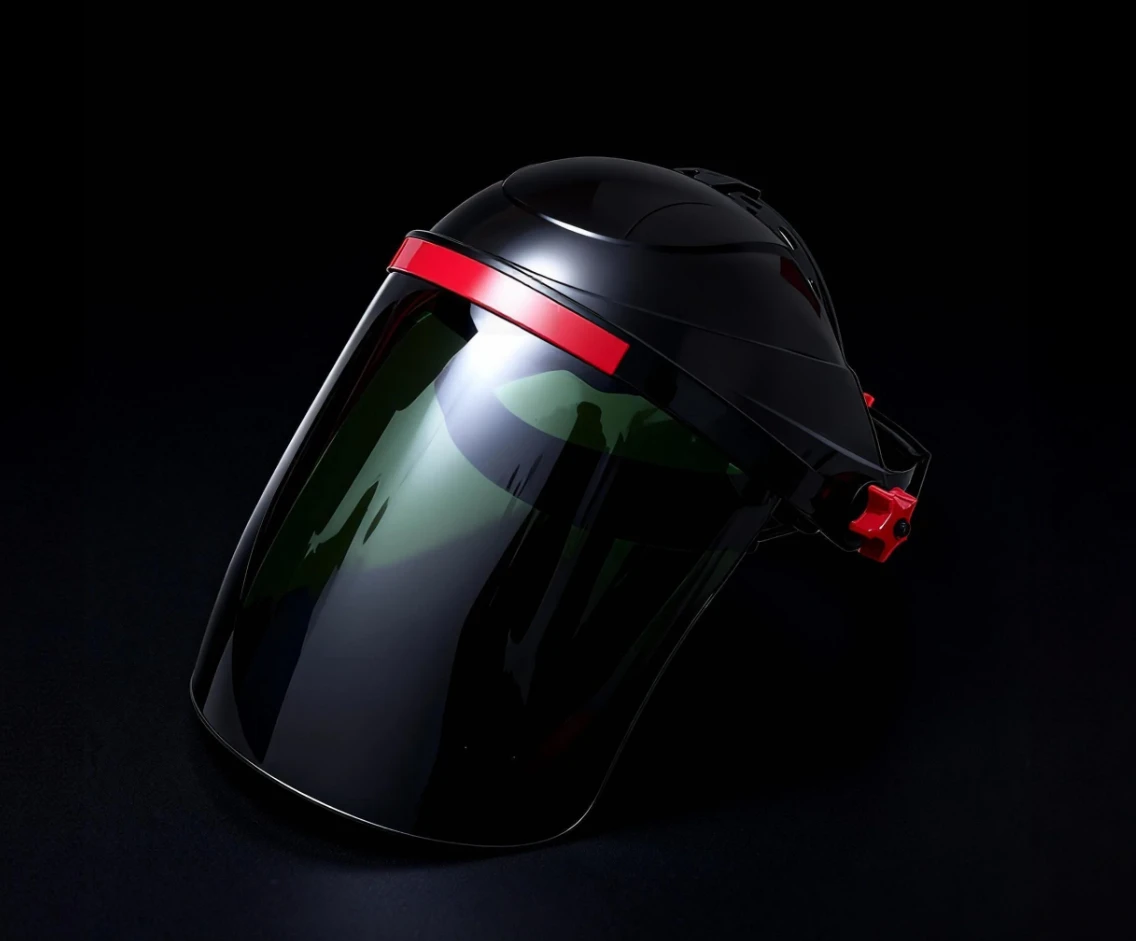
Where a helmet is raised, the protection underneath is what stands in for it.
Related Articles
- Structural Firefighting Boots: NFPA 1971 Explained
- Auto-Darkening Welding Helmet Buying Guide: DIN Shades and Lens
- Welding Safety PPE: The Complete Checklist
- Essential Welding Safety Rules for Beginners
- Eye Protection for Welders: Helmets Goggles and Filters
- Auto-Darkening vs Passive Welding Helmets
Official Resources
- Auto Darkening Welding Helmet
- Auto Darkening Vs Passive Welding Helmets
- Puncture Resistant Safety Shoes Standards And Applications
- Auto Darkening Vs Passive Welding Helmets 2
- Contact Shield Wings