

Welding gloves protect the hands from heat, sparks, and molten spatter, and the right glove matches the process — TIG needs dexterity, MIG and stick need thickness, and heavy work needs longer cuffs. This guide covers the types and selection, with reference to welding gloves.
(Last modified date: October 2, 2026)
Quick definition: Welding gloves protect the hands and wrists from contact heat, sparks, molten spatter, and abrasion — and the protection comes from the leather, the lining, and the cuff working together.
Key Takeaways
- The main types are TIG gloves, MIG gloves, stick welding gloves, and heavy-duty or gauntlet gloves, each matched to the process and the heat level.
- Heat ratings measure how the glove resists contact heat and convective heat — and the rating must match the task’s heat exposure, not the leather’s appearance.
- Choose by the process, the heat level, and the dexterity the task requires — then trial the gloves with the welders, because a glove that feels wrong will not be worn.
- Keep welding gloves dry and free of oil, inspect them before each use for cracks, burn-through, and stitching failure, and replace them when the protection is compromised.
What Do Welding Gloves Protect Against?
Welding gloves protect the hands and wrists from contact heat, sparks, molten spatter, and abrasion — and the protection comes from the leather, the lining, and the cuff working together.
The glove’s outer leather resists sparks and spatter; the lining insulates against heat; the cuff protects the wrist and forearm. The combination is rated for the task, and the rating depends on the whole construction, not the leather alone. Hands are at the arc continuously, so the glove must survive heat, abrasion, and the constant movement of the torch and filler. The right glove keeps the hands protected without sacrificing the control the weld requires.
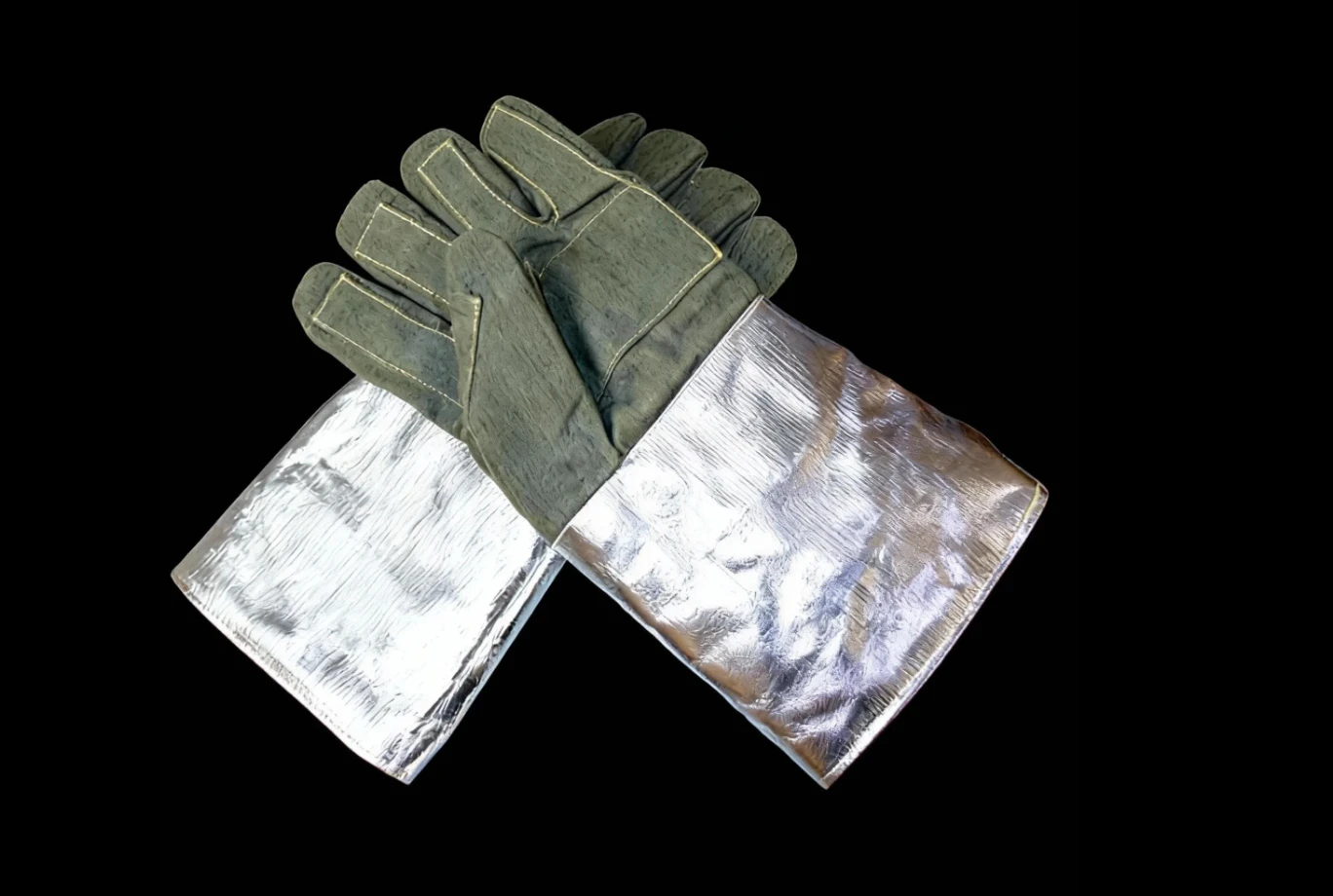
One glove rarely answers every hazard in the same task.
What Are the Main Types of Welding Gloves?
The main types are TIG gloves, MIG gloves, stick welding gloves, and heavy-duty or gauntlet gloves, each matched to the process and the heat level.
| Type | Best for | Key features |
|---|---|---|
| TIG gloves | TIG welding | Thin, flexible leather |
| MIG gloves | MIG / MAG | Thicker leather, padded palm |
| Stick gloves | Stick / MMA | Heavy leather, longer cuff |
| Gauntlet gloves | Heavy, overhead | Full forearm coverage |
TIG gloves prioritize dexterity for filler rod control. MIG gloves add thickness and padding for higher spatter. Stick welding gloves are heavier for high heat. Gauntlet gloves extend protection over the forearm for overhead and heavy fabrication. The type follows the process and the exposure.
How Do Heat Ratings Work for Welding Gloves?
Heat ratings measure how the glove resists contact heat and convective heat — and the rating must match the task’s heat exposure, not the leather’s appearance.
The glove is tested for the time it protects against contact and convective heat at defined temperatures, and the certificate states the levels. A glove that passes a contact-heat test may not cover radiant heat or molten splash, so match the rating to the actual exposure. When you specify, name the process, the heat level, and the secondary requirements — such as cut resistance where edges are present. The certificate for the exact model is the evidence the glove meets the rating.
How Do You Choose the Right Glove?
Choose by the process, the heat level, and the dexterity the task requires — then trial the gloves with the welders, because a glove that feels wrong will not be worn.
Start with the process: TIG welders need thin, supple gloves; MIG and stick welders need thicker leather with padding; overhead and heavy work needs gauntlet cuffs. Consider the climate — gloves that are too hot get removed. Run a trial through real welding, collect feedback on control, comfort, and durability, and confirm the heat rating on the exact model. A glove that protects and feels right is a glove that stays on the hands.
Which Rating Applies to Which Hazard
Welding gloves are usually rated against more than one hazard, and the ratings come from different tests. A glove that answers one well can be unrated for the other, which is why the certificate has to be read line by line rather than by the model name.
| Hazard | What the rating describes | Why it is not implied by the others |
|---|---|---|
| Heat and flame | Resistance to convective, contact and radiant heat, plus small splashes of molten metal (EN 407) | A glove can be cut-resistant and not heat-rated at all |
| Mechanical risk | Abrasion, cut, tear and puncture performance (EN 388) | Welding gloves are rarely tested for cut at all, yet fabrication work involves sheet edges |
| Electrical | Insulating performance, only where the glove is actually certified for it | Leather protects against spatter; it is not an insulating glove and must never be used as one |
| Dexterity and grip | Not a certified rating — a working property confirmed by the crew | A glove too stiff to hold the electrode gets removed, which is its own hazard |
The point of separating them is that welding tasks frequently combine two hazards that a single glove cannot cover. A fabricator handling sheet to position it before welding meets a cut risk that the welding glove was never tested for; a welder working near energised equipment meets an electrical exposure that leather does nothing about. Both cases resolve the same way — not by finding one glove that covers everything, but by identifying which hazard belongs to which part of the task and specifying accordingly.
Two practical consequences follow for a shop buying gloves.
- Name the standard and the performance level on the specification line, not just the model. “Heat-resistant welding glove” is a description; “EN 407 with the contact-heat level stated on the certificate” is a specification.
- Keep the cut-rated glove as a separate item rather than asking one glove to serve both roles. Where the same worker does both, that is two pairs for two parts of the job, and it is cheaper than a burn or a laceration.
Underneath both is the same obligation that governs all PPE selection: 29 CFR 1910.138 requires the employer to select hand protection where hands are exposed to hazards including severe cuts, abrasions, punctures, chemical burns, thermal burns and harmful temperature extremes — and to base that selection on the performance characteristics of the glove measured against the task, the conditions, the duration of use and the hazards identified. That is a description of reading the certificate properly.
How Do You Care for Welding Gloves?
Keep welding gloves dry and free of oil, inspect them before each use for cracks, burn-through, and stitching failure, and replace them when the protection is compromised.
Damp or greasy leather conducts heat and can ignite, so store gloves dry and clean. Inspect the palms, fingers, and cuffs for damage before every session, and replace gloves when the leather cracks or the stitching burns through. Keep spare pairs for the sizes in use. A welding glove that is clean, intact, and rated is the glove that protects through the weld.
Keep the spare stock for the sizes in use, trial the gloves with the welders before bulk ordering, and review the specification when the shop adds a process, because the glove spec follows the duty.
Welding glove ratings address heat and spatter for the process; they do not cover cut, chemical, or machine-entanglement hazards, so assess the full task and confirm with the manufacturer’s instructions and the applicable standard.
For the wider topic and related decisions, see our Hand, Cut & Impact Protection.
FAQs
Can one glove type cover all welding?
Not ideally. TIG, MIG, and stick welding differ in heat and dexterity needs; match the type to the process.
Are welding gloves heat-rated like other heat gloves?
Welding gloves are tested for contact and convective heat relevant to welding; confirm the rating for the exact model.
How often should welding gloves be replaced?
Inspect before each use and replace when leather cracks, stitching burns through, or the glove becomes wet or oily.
How do we get welding gloves for our shop?
Tell us your processes, and we will recommend the types with documentation via our contact page, or ask Shield Wings on the welding gloves.
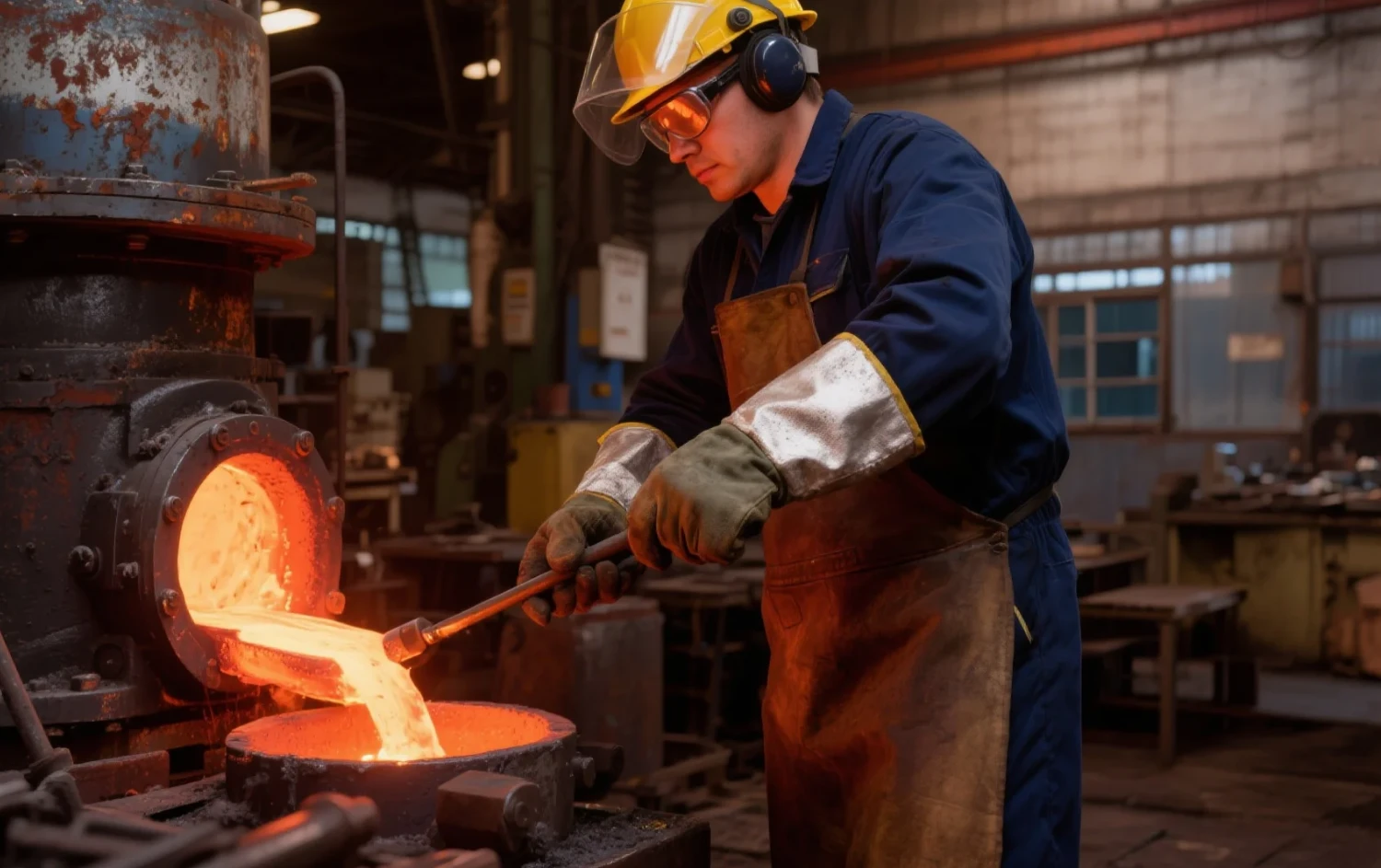
Match the glove to the task, not to the department.
Related Articles
- Arc Flash Suit Ratings Explained: ATPV, Cal/cm² and HRC
- PPE Compliance Checklist for Manufacturers and Importers
- PPE for Electrical Workers: The Complete Guide
- Essential Welding Safety Rules for Beginners
- Eye Protection for Welders: Helmets Goggles and Filters
- Auto-Darkening Welding Helmet Buying Guide: DIN Shades and Lens
Official Resources
- Products Hand Protection Page
- Welding Fumes And Ventilation Health Risks And Controls
- High Temperature Gloves Types Ratings And Selection
- Why Do Cut Injuries Happen And How Do Cut Resistant Gloves Help
- Aluminum Foil Heat Protective Clothing How It Works
- Cut Resistance Levels En 388 Vs Ansi Isea 105 Explained
- Ppe Inventory Management Keeping Your Stock Ready
- Contact Shield Wings