

PPE compliance for manufacturers and importers is a documentation discipline: the certificate, the standard edition, the batch records, and the conformity documentation must all match the product that ships. This guide is the checklist, with reference to PPE compliance checklist.
(Last modified date: October 2, 2026)
Quick definition: The file includes the product certificate or test report, the declaration of conformity where relevant, the standard editions, and batch-level records that tie each delivery to its testing.
Key Takeaways
- Compliance is a documentation discipline because the product’s performance is proven by its test reports and conformity documents — and a product without matching documentation is a compliance risk no matter how it…
- The manufacturer verifies the standard and edition, the model and production batch, the issuing body, and the ongoing conformity of production — because certification covers the product as produced, not just the tested…
- The importer verifies the documents against the delivered goods: the models, the batch records, the labeling for the destination market, and the conformity documents for the product lines imported.
- Review the file on a cycle and after any change: when standards are revised, when products change, or when suppliers change, re-verify the documents and update the register.
Why Is Compliance a Documentation Discipline?
Compliance is a documentation discipline because the product’s performance is proven by its test reports and conformity documents — and a product without matching documentation is a compliance risk no matter how it performs.
Regulators and auditors ask for evidence, not assurances: which standard, which edition, which notified body, which model, which batch. The answers come from the documents, and the documents must match the delivered product. For manufacturers and importers, the compliance file is the bridge between the tested design and the goods in the field. Build it before the order, keep it current, and update it when standards change.
What Documents Belong in the Compliance File?
The file includes the product certificate or test report, the declaration of conformity where relevant, the standard editions, and batch-level records that tie each delivery to its testing.
| Document | What it proves |
|---|---|
| Test report | Performance against the standard |
| Declaration of conformity | Legal conformity statement |
| Certificate | Model-specific certification |
| Batch records | Delivery matches the tested design |
Each document names the standard, the edition, and the model. For CE-marked products, the declaration and notified body details complete the picture. The file is organized per product and per region, and it is updated when certifications are renewed or standards change. The checklist keeps the file complete.

Every line in the file starts with a garment that has its own certificate.
What Should the Manufacturer Verify?
The manufacturer verifies the standard and edition, the model and production batch, the issuing body, and the ongoing conformity of production — because certification covers the product as produced, not just the tested sample.
Check the test report matches the exact model and that production maintains the tested design — materials, construction, and labeling. Keep batch records that tie each delivery to its tests, and manage changes so a modification triggers re-verification. The manufacturer’s quality system is part of the compliance story. A manufacturer who can show the full chain — design, test, production, batch — is a manufacturer whose compliance is real.
What Each Market Actually Requires You to Hold
The two main markets build their requirements differently, and a checklist written for one will not satisfy the other. Knowing which mechanism applies is what stops a compliance file from being a folder of certificates nobody can trace.
European Union. Personal protective equipment placed on the EU market is regulated by Regulation (EU) 2016/425. The regulation sets the conformity requirements — the risk assessment, the technical documentation and the declaration behind the CE marking — and those obligations attach to the party placing the product on the market, wherever the factory happens to be. For an importer that means the technical documentation has to exist and be obtainable, not merely the CE mark on the product.
United States. Rather than a single PPE regulation, the mechanism runs through the employer’s duty and the recognised consensus standards. 29 CFR 1910.132(d) requires a hazard assessment, selection of equipment that protects against the hazards identified, communication of that selection to each affected employee, proper fit, and a written certification of the assessment. For specific hazards the relevant sections name the consensus standards — ASTM F2412/F2413 for footwear, ANSI Z87.1 for eye and face protection. A US buyer therefore needs the certificate that demonstrates the named standard, plus the written assessment that explains why that product was chosen.
| What you must hold | EU market | US market |
|---|---|---|
| The conformity route itself | Regulation (EU) 2016/425 | OSHA-recognised consensus standards, cited per hazard |
| Evidence of testing | Technical documentation behind the CE marking | Certificate naming the standard and edition |
| Why this product was chosen | Risk assessment | Written certification of the hazard assessment |
| Traceability of the shipment | Batch records against the shipped goods | Batch records against the shipped goods |
The bottom row is deliberately the same in both columns, and it is the one most often missing. A certificate proves a design; a batch record proves the goods in your warehouse. In an audit or after an incident the question is always the second one, and a supplier who cannot answer it has left you with a file that documents a product rather than a shipment.
The practical rule that falls out of this: build the file per product line, and inside it keep the conformity document, the test certificate, the batch record and the approved sample together. A folder organised by certificate type looks thorough and answers nothing, because the four items only mean something when they sit next to each other.
What Should the Importer Verify?
The importer verifies the documents against the delivered goods: the models, the batch records, the labeling for the destination market, and the conformity documents for the product lines imported.
Check that the delivered models match the certificates, that the labels and language meet the destination requirements, and that restricted substances comply with the market’s rules. Keep the compliance file per product and update it as standards change. The importer holds the responsibility for the product in its market, so the verification is not the supplier’s job alone. A documented import is an import that clears the audit.
How Do You Keep the File Current?
Review the file on a cycle and after any change: when standards are revised, when products change, or when suppliers change, re-verify the documents and update the register.
Maintain a standards register that lists the current editions for your products, and check it when buying or reordering. When a standard is revised, identify the affected products and request updated documentation. Name a file owner and a review date per entry. The compliance file that is reviewed, updated, and owned is the file that survives an inspection.
The checklist should be run at every stage, not once: the certificate check at the quotation, the batch check at delivery, and the standards register check at each review keep the file current. A manufacturer who provides the documentation pack with each order makes the compliance side repeatable. Assign the file owner and the review dates, and train the team on the checks. The compliance program that is run at every stage and reviewed on a cycle is the program that survives an audit.
Confirm certification documents against the applicable standard edition and your market’s requirements before relying on any product claim.
For the wider topic and related decisions, see our PPE Sourcing, Manufacturing & Compliance.
FAQs
What is the most common compliance gap?
Certificates that do not match the delivered model or batch — verify the documents against the goods, not the brochure.
How do we handle a standard revision?
Identify the affected products, request updated documentation, and update the standards register before the old edition becomes a liability.
Do contractors need the same documentation?
Yes. The same evidence chain applies to every supplier in the program.
How do we build the compliance file?
Start with the certificate fields and batch records — request the documentation checklist via our contact page, or ask Shield Wings on the PPE compliance checklist.
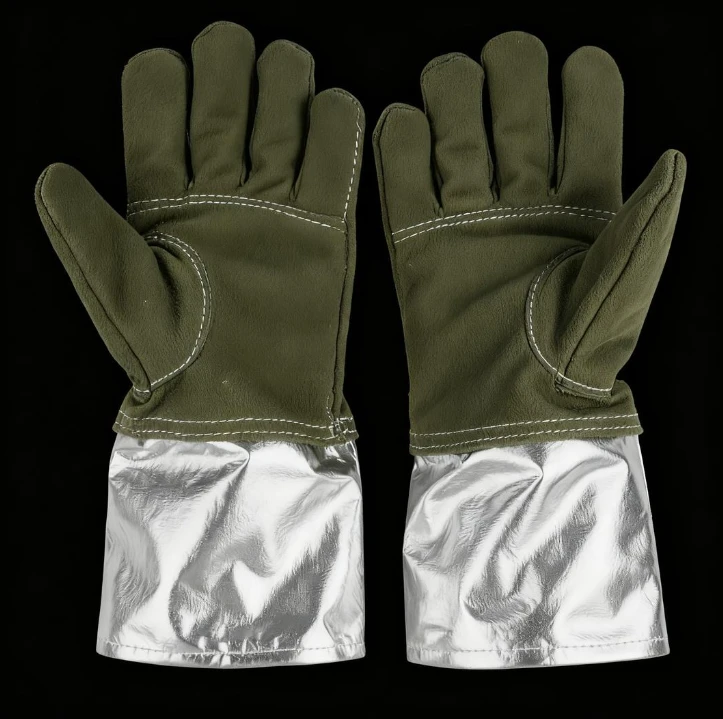
One file per product line is what makes an audit answerable.
Related Articles
- Arc Flash Suit Ratings Explained: ATPV, Cal/cm² and HRC
- PPE Quality Control: Key Processes at the Factory
- FR Clothing Fabrics Explained: Nomex Kevlar Modacrylic and More
- China Personal Protective Equipment (PPE) Manufacturing Advantages: A Comprehensive Analysis for Global Buyers
- Custom Workwear Manufacturing: MOQ Sampling and Production
- China PPE Factory Audit Guide: What to Check