PPE quality control protects the buyer and the end user by verifying that every batch matches the tested design — through incoming material checks, in-process inspection, final inspection, and traceable records. This guide explains the key processes, with reference to PPE quality control.
(Last modified date: October 2, 2026)
Quick definition: Incoming material QC verifies that the fabrics, components, and accessories meet the specification before they enter production — because a bad input produces a bad output.
Key Takeaways
- Quality control matters because PPE protects lives: a batch that drifts from the tested design — a lighter fabric, a missed seam, a wrong closure — is a protection failure that no certificate can paper over.
- In-process inspection checks the product at defined stages — sewing, assembly, closures, and branding — against the approved sample and the quality criteria.
- Final inspection uses a sampling plan — the acceptable quality level, or AQL — to verify the finished batch before shipment, with the inspection performed by trained inspectors against the agreed criteria.
- Batch records tie each delivery to its test report and material records, so a question in the field can be answered from documentation — the traceability that makes quality control verifiable.
Why Does Quality Control Matter for PPE?
Quality control matters because PPE protects lives: a batch that drifts from the tested design — a lighter fabric, a missed seam, a wrong closure — is a protection failure that no certificate can paper over.
The certificate describes the product as tested, and quality control is what keeps production matching that design. For protective equipment, the failure modes are serious: a seam that opens in a flash fire, a glove that tears on a sharp edge, a helmet shell that cracks on impact. The quality system verifies the product at the points where drift happens — incoming materials, production, and final goods — and the records tie each batch to its tests.
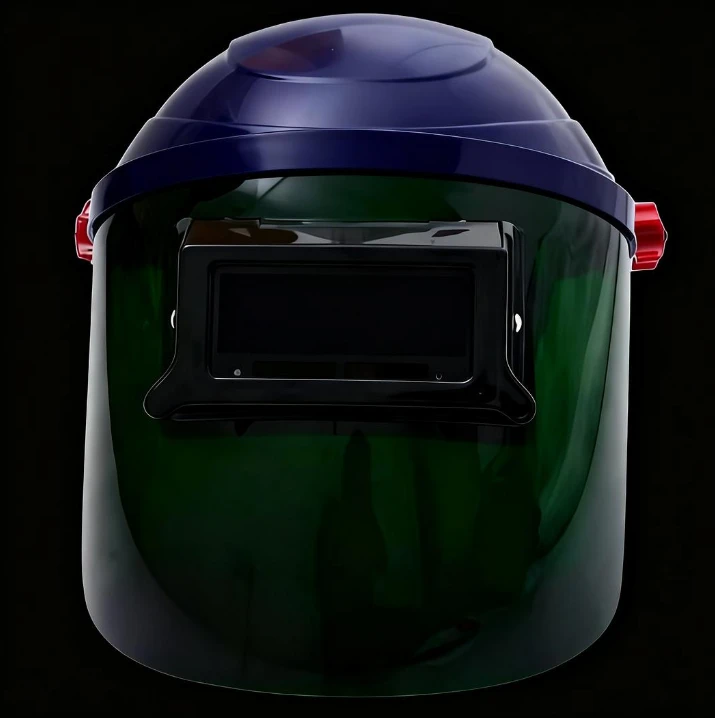
Quality control is a sequence of gates, and each one is only useful if it can reject.
What Is Incoming Material Quality Control?
Incoming material QC verifies that the fabrics, components, and accessories meet the specification before they enter production — because a bad input produces a bad output.
The factory checks the incoming materials against the spec: the fabric’s certification, the components’ identity, and the batch documentation. A change in material source or grade must be caught before production, because it changes the finished product’s performance. The incoming inspection is the first gate in the system. Check the factory has it and that the records are traceable.
What Happens During In-Process Inspection?
In-process inspection checks the product at defined stages — sewing, assembly, closures, and branding — against the approved sample and the quality criteria.
| Stage | What is checked |
|---|---|
| Cutting | Fabric and pattern |
| Sewing and assembly | Seams, closures |
| Branding | Logos and placement |
| Pre-shipment | Final AQL inspection |
The inspection points are agreed in the quality plan, and the results are recorded per batch. The approved sample is the reference, and any drift is corrected before it scales. In-process inspection catches problems while they are cheap to fix. The records show that production was controlled, not just tested at the end.
What Is Final Inspection and AQL?
Final inspection uses a sampling plan — the acceptable quality level, or AQL — to verify the finished batch before shipment, with the inspection performed by trained inspectors against the agreed criteria.
The AQL defines how many defects are acceptable in a batch, and the inspection samples the goods against it. The criteria cover construction, labeling, packaging, and the documented properties. For PPE, the inspection also verifies that the certificates match the models and batches. A failed inspection triggers the agreed remedy — rework, replacement, or credit. The AQL and the remedy are written into the order before production.
What Belongs in a Batch Record
A batch record is not a quality-control form. It is the document that connects the goods in a customer’s warehouse back to the inspection that cleared them, and it only works if it contains enough to do that without asking anyone.
The test is simple: hand the record to somebody who was not involved in the run and see whether they can answer four questions from the paper alone.
| Question the record must answer | Field that answers it |
|---|---|
| What exactly was made? | Model, specification revision, and the bill of materials actually consumed |
| When, and by whom? | Production date or window, line, and responsible operator or shift |
| What material went into it? | Material lot numbers for the components that carry the rated properties |
| What was checked, and with what result? | Inspection points, sample size, defect findings, disposition, and the inspector |
The two fields that are usually missing are the material lot and the specification revision. Both matter for the same reason: they are what make the record able to distinguish two runs that produced visually identical goods. A batch made with a substituted fabric can pass a visual final inspection and fail on the property the certificate describes — and without the material lot the substitution is invisible after the fact.
The revision field does the same job over time. If the specification changed between two orders — a different trim, a different supplier of the same nominal material — the record has to say which revision was built, or the certificate and the shipment can no longer be matched.
Two habits make the system hold. First, record at the gate that made the decision rather than reconstructing it later: an inspection result written at the time carries the inspector’s name and the sample size, and one written a week afterwards carries neither. Second, treat the record as part of the deliverable. A supplier who can hand over batch records with the shipment is offering the customer something the certificate alone cannot provide — and the customer, if they are selling into a regulated market, is the one who will be asked for it.
How Do Batch Records Complete the System?
Batch records tie each delivery to its test report and material records, so a question in the field can be answered from documentation — the traceability that makes quality control verifiable.
Every batch should carry the link to its certificate, its inspection results, and its material records. If a customer or auditor asks, the factory can trace the product to its production and testing. The records are part of the compliance file and part of the brand’s protection. A factory with batch traceability is a factory whose quality control is real.
Confirm every specification, certificate, and quality term in writing before production; verify against the applicable standard and your own due diligence.
For the wider topic and related decisions, see our PPE Sourcing, Manufacturing & Compliance.
FAQs
Can we request third-party inspection?
Yes — third-party inspection at the agreed points is a standard part of many PPE orders.
What is AQL and why does it matter?
The acceptable quality level defines the defect threshold for a batch; it is agreed in writing before production.
What happens if a batch fails inspection?
The agreed remedy — rework, replacement, or credit — applies, and it is written into the order.
How do we verify batch traceability?
Request the batch records with delivery and confirm they link to the certificates — start via our contact page, or ask Shield Wings on the PPE quality control.
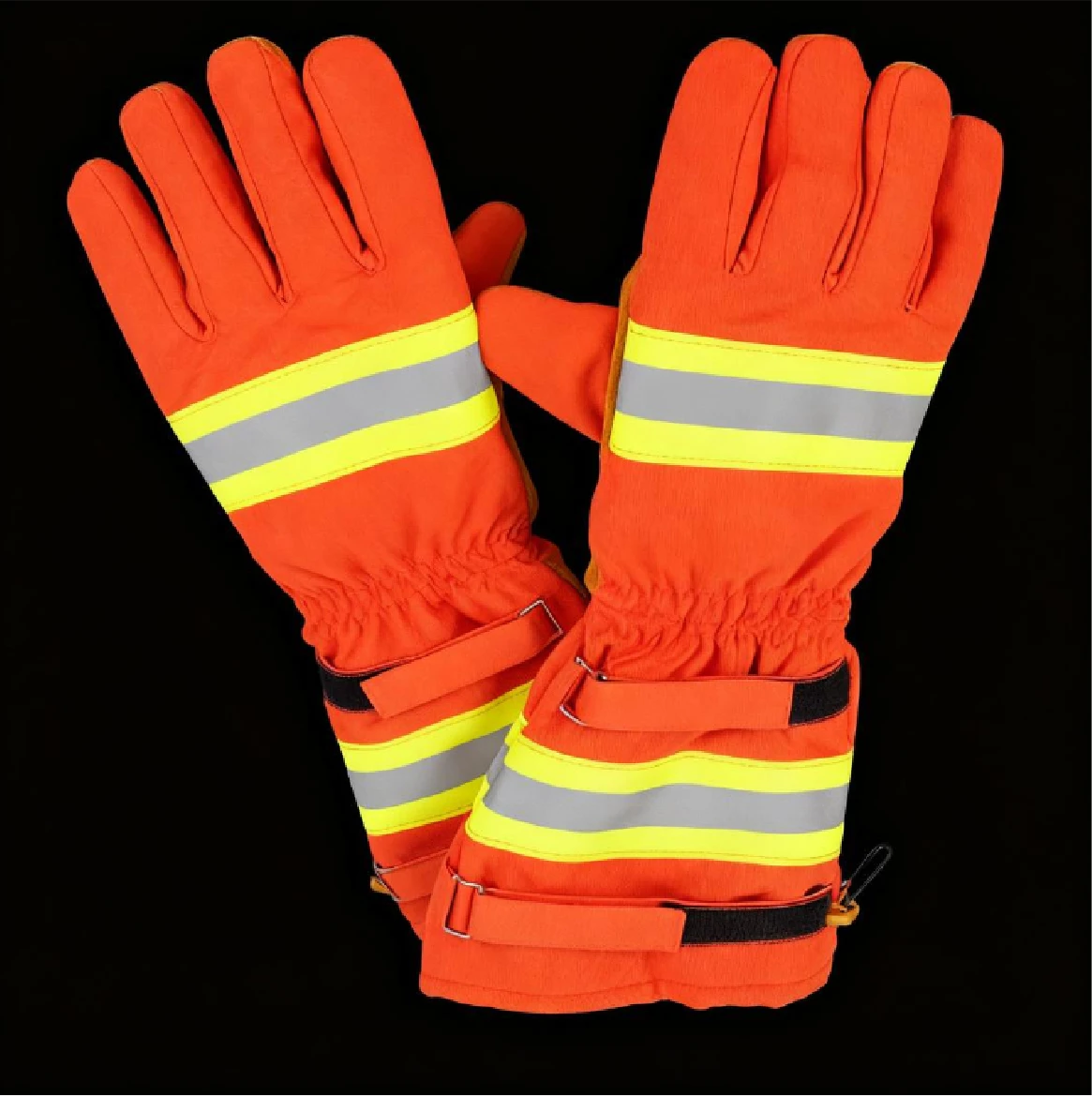
Final inspection samples the batch; the batch record is what makes the sample meaningful later.
Related Articles
- FR Clothing Certifications: NFPA 2112 ASTM F1506 and EN ISO 11612
- OEM PPE Manufacturing in China: The Complete Guide
- PPE for Manufacturing: The Complete Guide
- China Personal Protective Equipment (PPE) Manufacturing Advantages: A Comprehensive Analysis for Global Buyers
- Custom Workwear Manufacturing: MOQ Sampling and Production
- China PPE Factory Audit Guide: What to Check
Official Resources
- OEM/ODM Services
- The Role Of Ergonomic Design In Modern Protective Equipment
- China Ppe Factory Audit Guide What To Check
- Contact Shield Wings