Importing PPE means managing the Incoterm, the shipping route, the lead time, and the destination requirements — and the cost is the landed cost, not the factory price. This guide explains the shipping decisions, with reference to PPE import shipping.
(Last modified date: October 2, 2026)
Quick definition: Incoterms define who pays for and owns the risk at each point of the shipment — FOB, CIF, and DDP are the common choices — and the choice decides the price you quote and the risk you carry.
Key Takeaways
- Lead time includes production, inspection, packing, and shipping — typically weeks for production plus days to weeks for transport — and the schedule should be confirmed with milestones, not a single date.
- Shipping cost is driven by volume or weight, the route, the service level, and the Incoterm — and the comparison should use the landed cost, including freight, insurance, duty, and handling.
- Ensure the destination’s labeling, language, certification marks, and restricted substances before production — because a product that fails at customs is a costly delay.
- Plan the first shipment as a test of the supply chain: small volume, confirmed milestones, and a review of the documents and the transit against what was promised.
What Are Incoterms and Why Do They Matter?
Incoterms define who pays for and owns the risk at each point of the shipment — FOB, CIF, and DDP are the common choices — and the choice decides the price you quote and the risk you carry.
| Incoterm | What it means |
|---|---|
| FOB | Buyer arranges shipping from the factory port |
| CIF | Seller covers cost, insurance, freight |
| DDP | Seller delivers to your door including duty |
The Incoterm determines the division of cost and risk: FOB leaves shipping to the buyer, DDP brings the product to the door. The quoted price only makes sense with the Incoterm attached, because the same goods have different landed costs under different terms. Ensure the Incoterm in writing before the order.

Delivery terms decide where your responsibility starts, not just who pays.
How Do You Estimate Lead Time?
Lead time includes production, inspection, packing, and shipping — typically weeks for production plus days to weeks for transport — and the schedule should be confirmed with milestones, not a single date.
Ensure the production window for your order size, the inspection and packing time, and the shipping route to your destination. Factor in holidays and port congestion at both ends, and build a buffer into the first order while you learn the actual transit time. Ask how the factory communicates delays, because that behavior predicts the relationship. A schedule with milestones is a schedule you can manage.
What Drives Shipping Cost?
Shipping cost is driven by volume or weight, the route, the service level, and the Incoterm — and the comparison should use the landed cost, including freight, insurance, duty, and handling.
Sea freight suits volume and lower urgency; air freight suits samples and urgent orders at a higher cost. The route and the port congestion affect both time and price. Add duty and import taxes to the product price and freight to get the true landed cost, and compare suppliers on that number. The cheapest factory price is not the cheapest delivered price.
What Has to Be in Place Before the Goods Move
Two of the items that delay a first shipment are not logistical. They are documentation, and both have to be settled before the goods leave rather than when they arrive.
Conformity for the destination market. Where the goods are being placed on the EU market, Regulation (EU) 2016/425 sets the conformity requirements for PPE, including the technical documentation that has to exist behind the CE marking. That documentation is not something an importer can assemble after arrival from a supplier who has gone quiet — it has to be obtainable at the point of shipment, and in a form the importer can hold. Where the destination is the United States, the relevant evidence is the certificate demonstrating the standard the buyer specifies; 29 CFR 1910.132(d) requires the US employer to hold a written hazard assessment and to select equipment that protects against the hazards identified, which they cannot do without that certificate.
Labelling and marking as shipped. The marking requirements that apply to PPE are checkable on the product, not on the invoice. Establishing at the packing stage that each carton contains correctly marked product — and that the marking matches the certificate — is far cheaper than discovering a mismatch after the container has cleared. This is also the point at which a private-label arrangement has to be checked, because the branding changes the label and should not have removed the manufacturer identification or the standard marking.
The practical sequence for a first shipment is therefore to fix three things in writing before anything is booked:
- The specification, per line, including the standard and code.
- Who holds which document, and how you obtain it if the relationship changes.
- The delivery term, agreed against the points where cost and risk actually transfer — because that decision is what determines which of the remaining costs land on your side of the invoice.
A shipment that clears customs without its documentation in place is not finished. It is deferred, and the delay lands on whatever deadline the receiving site was working to.
What Destination Requirements Must You Confirm?
Ensure the destination’s labeling, language, certification marks, and restricted substances before production — because a product that fails at customs is a costly delay.
PPE imports are subject to the destination market’s requirements: standard marks, labeling language, and restricted substances. Ensure them before production so the product, the labels, and the documents are ready at the border. Ask Shield Wings for the packing lists, commercial invoices, and certificates with the shipment. The paperwork that matches the product clears the customs faster and avoids surprise costs.
How Do You Plan the First Shipment?
Plan the first shipment as a test of the supply chain: small volume, confirmed milestones, and a review of the documents and the transit against what was promised.
The first shipment teaches the real lead time, the document flow, and the customs behavior. Review it against the plan and feed the lessons into the next order. Keep the shipping records with the compliance file. A supply chain that is tested on the first shipment is a supply chain you can scale.
Confirm procurement decisions against your hazard assessment, the applicable standards, and acceptance checks; this process is guidance, not a site-specific decision.
For the wider topic and related decisions, see our PPE Sourcing, Manufacturing & Compliance.
FAQs
What is the difference between FOB and DDP?
FOB leaves shipping to the buyer; DDP delivers to your door including duty — the choice decides cost and risk.
How long does shipping from China take?
It depends on the route and service — sea freight takes weeks, air freight days; confirm the route and the schedule in writing.
What documents come with the shipment?
Packing lists, commercial invoices, and certificates — confirm them with the delivery and match them to the products.
How do we plan our first PPE import?
Send us your destination and volume, and we will confirm the Incoterm and schedule via PPE import shipping.
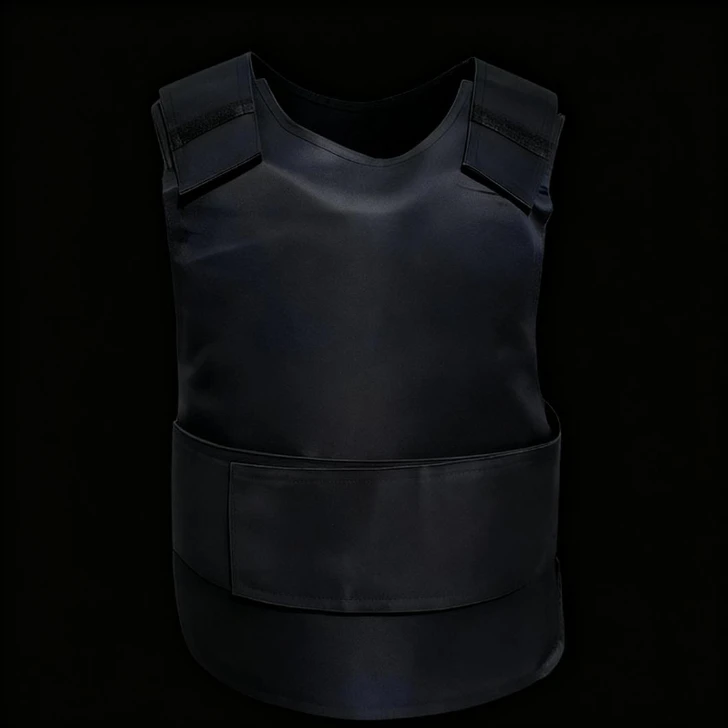
The compliance file travels with the goods, and customs may ask for it.
Related Articles
- Essential Welding Safety Rules for Beginners
- Eye Protection for Welders: Helmets Goggles and Filters
- EN 388 Explained: Cut Resistance Testing for Gloves
- China Personal Protective Equipment (PPE) Manufacturing Advantages: A Comprehensive Analysis for Global Buyers
- Custom Workwear Manufacturing: MOQ Sampling and Production
- China PPE Factory Audit Guide: What to Check
Official Resources
- Custom Workwear Manufacturing Moq Sampling And Production
- Ppe Sourcing Risk Management For Importers
- Contact Shield Wings