

Buying PPE for a team is a system decision, not a shopping trip: the right procurement process starts with the hazard assessment, moves through specification, sampling, and supplier evaluation, and ends with acceptance and lifecycle management. This guide walks the whole process, with PPE procurement guidance from our factory team.
(Last modified date: October 2, 2026)
Quick definition: The needs assessment covers every task, every hazard, and every worker: walk the site, list the tasks, identify the hazards, and assign the required equipment — before any price comparison begins.
Key Takeaways
- PPE procurement should be treated as a process because the equipment is part of a safety system — the wrong product, the wrong fit, or the wrong documentation creates a gap that no amount of purchasing discipline can…
- The specification names the product type, the standard and edition, the performance level, the sizing range, and the quantities — written clearly enough that every supplier quotes against the same requirement.
- Samples convert the specification from paper to reality: order samples of the shortlisted products, test them on real workers in real tasks, and use the feedback — fit, comfort, durability, and usability — to make the…
- Evaluate suppliers on documentation, product quality, delivery reliability, and support — using the same checklist for every candidate so the comparison is fair and evidence-based.
- Verify delivery against the specification and the approved sample: check the models, sizes, quantities, certificates, and batch documentation before accepting the order.
- Manage the equipment through its lifecycle: assign it per worker, train the wearers, inspect on a schedule, replace on the manufacturer’s cycle, and reorder before stock runs out.
Why Should PPE Procurement Be Treated as a Process?
PPE procurement should be treated as a process because the equipment is part of a safety system — the wrong product, the wrong fit, or the wrong documentation creates a gap that no amount of purchasing discipline can fix later.
A purchase order is the end of a chain that begins with the hazard assessment and the standards the site must meet. When procurement skips steps, the results are predictable: equipment that does not match the hazard, certificates that do not match the models, and stock that sits unused because workers will not wear it. A structured process — assess, specify, sample, evaluate, purchase, verify, manage — produces equipment that is correct, documented, and actually worn. For the procurement team, the process also protects them: every decision is traceable to evidence.
What Should the Needs Assessment Cover?
The needs assessment covers every task, every hazard, and every worker: walk the site, list the tasks, identify the hazards, and assign the required equipment — before any price comparison begins.
Build the assessment task by task, not department by department. A warehouse operator and a maintenance electrician in the same department need completely different equipment. For each task, record the hazard, the applicable standard, and the equipment type; then consolidate into a role-based matrix. Include the support roles and visitors who enter the area, because a gap at the gate is a gap in the program. The assessment is the specification’s foundation: without it, every quote is a guess about what is actually needed.
How Do You Turn the Assessment Into a Specification?
The specification names the product type, the standard and edition, the performance level, the sizing range, and the quantities — written clearly enough that every supplier quotes against the same requirement.
Two quotes are only comparable when they answer the same specification. State the standard, the level (such as an ANSI class or EN performance code), the materials where relevant, the sizes, and the branding or packaging requirements. Add the commercial terms: quantity, MOQ, sample requirements, lead times, and delivery. The specification is the working document of the whole purchase — it goes to suppliers for quotes, to the sample stage for comparison, and to the contract for reference. A specification that is vague produces quotes that cannot be compared and equipment that does not match.

A specification is written per line, and each line carries its own certificate.
What Role Do Samples Play in the Purchase?
Samples convert the specification from paper to reality: order samples of the shortlisted products, test them on real workers in real tasks, and use the feedback — fit, comfort, durability, and usability — to make the final choice.
A certificate proves the product meets the standard; a sample proves it works for your people. Issue the candidate products to a representative group for a defined trial period, and collect structured feedback: comfort after a full shift, compatibility with other PPE, fogging or restriction, and whether workers would wear it all day. Include the documentation check in the same step — the certificate must match the exact model and the production batch. The sample stage catches the mismatches that no datasheet reveals, and it is the cheapest mistake-prevention step in the whole process.
How Do You Evaluate PPE Suppliers?
Evaluate suppliers on documentation, product quality, delivery reliability, and support — using the same checklist for every candidate so the comparison is fair and evidence-based.
| Evaluation area | What to check |
|---|---|
| Documentation | Certificates, standard editions, batch traceability |
| Product quality | Samples, test reports, construction details |
| Delivery | Lead times, MOQ, reorder reliability |
| Support | Technical answers, responsiveness, after-sales |
| Commercial | Itemized pricing, payment terms, warranties |
Compare quotes only on the identical specification, add sampling and logistics to the unit price for the true landed cost, and weight the soft factors — communication speed and documentation quality — because they predict how the relationship will behave when a problem needs solving. A supplier who provides certificates before the order and answers technical questions precisely is a supplier worth scaling with.
Apply that documentation standard to every candidate, Shield Wings included: request certificates, test reports, and batch records before you commit. Evaluate every candidate against the same evidence, and the comparison becomes a matter of records rather than impressions.
What the Regulation Requires You to Hold
The procurement file is not paperwork for its own sake. In the United States the employer is required to hold a specific set of documents, and a PPE programme that cannot produce them is non-compliant regardless of how good the equipment is.
29 CFR 1910.132(d) sets the chain. The employer must assess the workplace for hazards that necessitate PPE; select equipment that protects against the hazards identified; communicate those selection decisions to each affected employee; select PPE that properly fits; and verify the assessment through a written certification that identifies the workplace evaluated, the person certifying it, the date of the assessment, and the document as a certification of hazard assessment.
That single sentence is what turns the hazard assessment into a document you have to be able to produce. It is also the anchor for everything procurement does afterwards, because the specification is only defensible if it traces back to an assessment that names the hazards.
The same section requires that all PPE be of safe design and construction for the work to be performed, and that it be maintained in a sanitary and reliable condition. Two consequences follow for the buyer: the equipment has to be fit for the specific task rather than merely certified in general, and the maintenance and replacement side of the programme is part of the same obligation, not a separate housekeeping task.
So the file worth building, per product line, holds: the written hazard assessment certification; the specification derived from it; the certificate naming the standard, edition and model; the batch or lot records for what was delivered; the approved sample record; and the delivery documentation. Read together, those six items answer the only question that matters in an audit or after an incident — why is this equipment on this worker for this task?
How Do You Verify the Delivered Products?
Verify delivery against the specification and the approved sample: check the models, sizes, quantities, certificates, and batch documentation before accepting the order.
The acceptance check is the mirror of the specification. Confirm the delivered models match the certificate numbers, the sizes and quantities match the order, and the batch documentation ties the delivery to the tested production. Spot-check samples against the approved sample — construction, labels, and fit. Keep the certificates, the approved sample record, and the delivery documents in the compliance file, because they are the evidence an auditor will ask for. Acceptance is not a formality; it is where a bad order is caught while it is still fixable.
How Do You Manage PPE After Purchase?
Manage the equipment through its lifecycle: assign it per worker, train the wearers, inspect on a schedule, replace on the manufacturer’s cycle, and reorder before stock runs out.
PPE is only protection while it is in service and in condition. Assign equipment per worker where fit matters, train crews on wear, care, and limits, and inspect on a schedule that matches the use — quarterly for most items, after incidents always. Track replacement cycles so gear is retired before it fails, and keep reorder lead times in the plan so stock never runs dry. Review the program annually and after any incident or process change. A procurement process that stops at delivery leaves the safety system half-built; one that runs through the lifecycle keeps it working.
Confirm procurement decisions against your hazard assessment, the applicable standards, and acceptance checks; this process is guidance, not a site-specific decision.
For the wider topic and related decisions, see our PPE Sourcing, Manufacturing & Compliance.
FAQs
How long does a PPE procurement cycle take?
With a clear specification, the cycle runs two to six weeks including sampling; large custom orders add production and shipping time.
Should we buy from one supplier or several?
Consolidation simplifies documentation and pricing, but only with a supplier who can provide certificates and batch records for every line.
What documentation should we keep?
Certificates, standard editions, batch records, the approved sample record, and delivery documents — organized per product in one file.
How do we start a structured procurement?
Send us your task and hazard list, and our team will help you build the specification and provide documentation — start through our contact page.
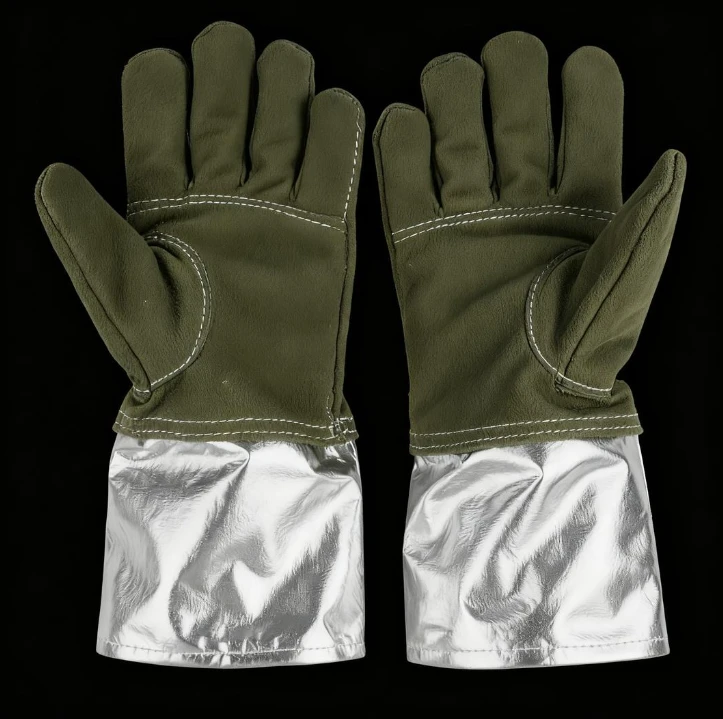
Approving a sample and keeping the record is what makes a reorder repeatable.
Related Articles
- Cut Resistant Gloves for Food Processing: What to Look For
- Safety Helmets: The Complete Guide (ANSI Z89.1 and EN 397)
- PPE Compliance Checklist for Manufacturers and Importers
- China Personal Protective Equipment (PPE) Manufacturing Advantages: A Comprehensive Analysis for Global Buyers
- Custom Workwear Manufacturing: MOQ Sampling and Production
- China PPE Factory Audit Guide: What to Check
Official Resources
- Contact Shield Wings
- Puncture Resistant Safety Shoes Standards And Applications
- Ppe Import Shipping Guide Incoterms Lead Times And Costs
- How To Evaluate Ppe Suppliers Price Quality And Delivery
- Ppe Inventory Management Keeping Your Stock Ready