“China has the complete supply chain” is not a finding. It is the opening line of a conversation that ends with a purchase order, and the only question that matters is whether the particular factory behind that order can produce the documentation your market requires. This guide replaces the claim with the test.
(Last modified date: October 2, 2026)
Key Takeaways
- The advantage is real but conditional: a mature supplier base means choice and speed, and it also means the difference between a compliant factory and a trading company is invisible until you ask for documents.
- Conformity is the buyer’s obligation, not the factory’s. Whatever market you sell into has a regime — EU Regulation 2016/425 in Europe, OSHA-recognised consensus standards in the United States — and your name is on it.
- Verification is a document exercise before it is a factory visit: certificate for the exact model, the standard edition, batch records, and the approved sample.
- Ask who actually manufactures. A supplier that cannot name its own production site cannot give you the audit trail a conformity file needs.
- The first order should be a sample order. It tests the specification, the documentation and the reaction to a problem, all at once.
What Buyers Actually Need to Verify
The value of sourcing from China is a function of how well you verify, not of how large the industry is. A supplier base that offers hundreds of factories offering the same product category is useful only if you can tell which of them can support your compliance file, your delivery schedule and your reorder cycle.
That narrows to four questions, and each has a document behind it:
- Who manufactures it? Not who sells it. The answer should name a production site you can visit, not a trading office.
- To which standard, and which edition? A certificate that names the product family rather than the model does not cover the garment on the worker.
- Can the batch be traced? A lot or batch record is what connects the shipment in your warehouse to the test result you filed.
- What happens when something is wrong? A supplier’s response to a fault on a sample order predicts everything about how they will respond on the fourth bulk order.
What the Conformity Regime Requires of You
Wherever you sell, somebody has to be accountable for the conformity of the product, and that somebody is the party placing it on the market.
In the European Union, personal protective equipment is regulated. Regulation (EU) 2016/425 sets out the conformity requirements for PPE placed on the EU market, including the risk assessment and the technical documentation that sit behind the CE marking. A manufacturer outside the EU can meet those requirements, but the obligations do not disappear because the production is offshore — they travel with the product.
In the United States the mechanism is different in kind: rather than a single PPE regulation, the employer’s duty is to assess the workplace and select equipment that protects against the hazards identified, verified through a written certification, as set out in 29 CFR 1910.132(d). For specific hazards, the recognised consensus standards are named in the relevant sections — ASTM F2412 and F2413 for protective footwear, ANSI Z87.1 for eye and face protection, and so on. A US buyer therefore specifies against those standards and holds the certificates that demonstrate them.
The practical consequence for a sourcing decision is the same in both markets: the certificate is not a courtesy the supplier extends, it is the evidence your own compliance position depends on. That is why it belongs in the enquiry, not in the appendix.
The Document Set That Answers the Question
Five documents separate a supplier you can scale with from one you cannot.
| Document | What it must contain | What it rules out |
|---|---|---|
| Test certificate | The exact model, the standard and its edition, the test house | A claim of compliance without a reference |
| Technical file or construction record | Materials, construction, and the design that was tested | Silent substitutions in materials or build |
| Batch or lot records | The traceable identity of the production run you received | Documentation that belongs to a different shipment |
| Approved sample record | The sample both sides signed off, and its specification | A bulk order that differs from the sample |
| Quality system evidence | Whether the factory’s process is certified and how it is audited | A workshop that happens to be able to make one good unit |
Read together, these five answer the question an auditor or an incident investigation will ask: why is this product on this worker for this task? A supplier who can assemble the set for a sample order is a supplier who can assemble it for a container.
Where a Chinese Factory Wins, and Where It Does Not
The genuine advantages are production depth and responsiveness; the genuine risk is that the buyer mistakes the market’s size for the supplier’s capability.
Industrial clusters in China mean that tooling, materials, trims and finishing are usually available within the same region. In practice that shows up as faster sampling, more flexibility on materials and trims, and the ability to scale a production run without changing the design. It is a real advantage for a brand that needs a custom garment quickly, or that needs to add a size range or a colourway without re-tooling.
What it does not do is make verification unnecessary. The same density that gives you hundreds of options also means that the entity you are negotiating with is often not the entity that will produce the goods. A trading company can look identical to a factory right up to the point where you ask for a production address, a batch record or a certificate that names the specific model. The market is deep; that is an argument for a structured buying process, not against one.
How to Run the Verification
Do it in the order below. Each step is cheap, and each one either raises confidence or saves you the cost of the next step.
- Ask for the document set before quoting. A supplier who cannot produce a certificate for the model you asked about has answered the question early.
- Confirm who manufactures. Get the production site, and ask whether you or a third party can audit it.
- Order a sample against a written specification. Not a catalogue item — a specification you wrote, with the standard and code named on each line.
- Test the sample against its own documents. The label, the certificate and the garment should agree on the standard, the edition and the model.
- Run a wear trial with the crew who will use it. Fit problems surface here and nowhere else.
- Only then discuss volume pricing, lead time and the replacement cycle. Those conversations change completely once the specification is fixed.
Two of these steps are the ones buyers skip. The wear trial is skipped because it costs time, and it is the only step that catches a garment which is compliant and unwearable. The audit question is skipped because it feels confrontational, and it is the only step that distinguishes a factory from an intermediary.
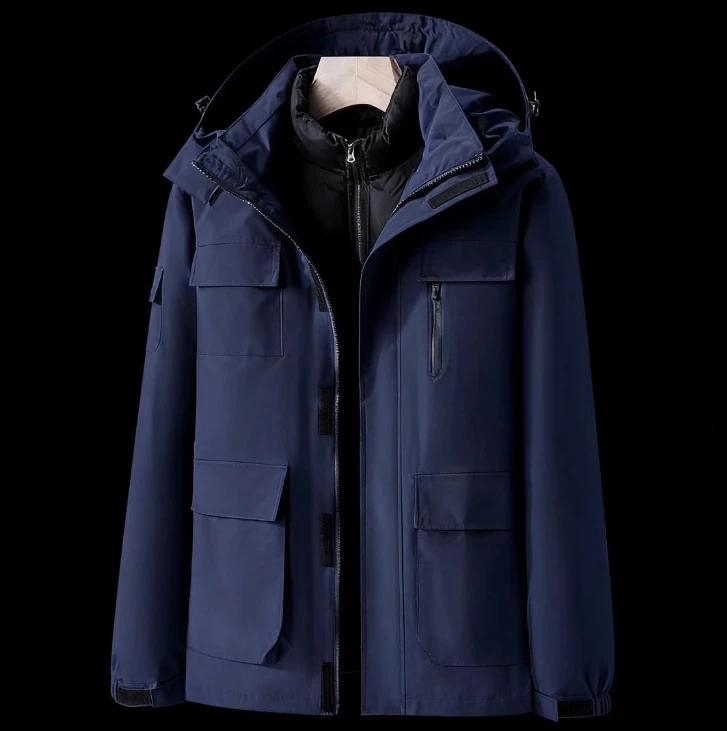
The specification and the documents travel with the product, not with the marketing.
What to Do Before the First Bulk Order
Fix the specification, hold the documents, and agree the reaction to a fault before you need one. The specification should name the standard and code per line. The file should contain the certificate, the batch record and the approved sample. And the agreement should state what happens if the delivered goods diverge from the sample — replacement, rework or credit — because a supplier’s answer to that question is the same answer you will get on the day it matters.
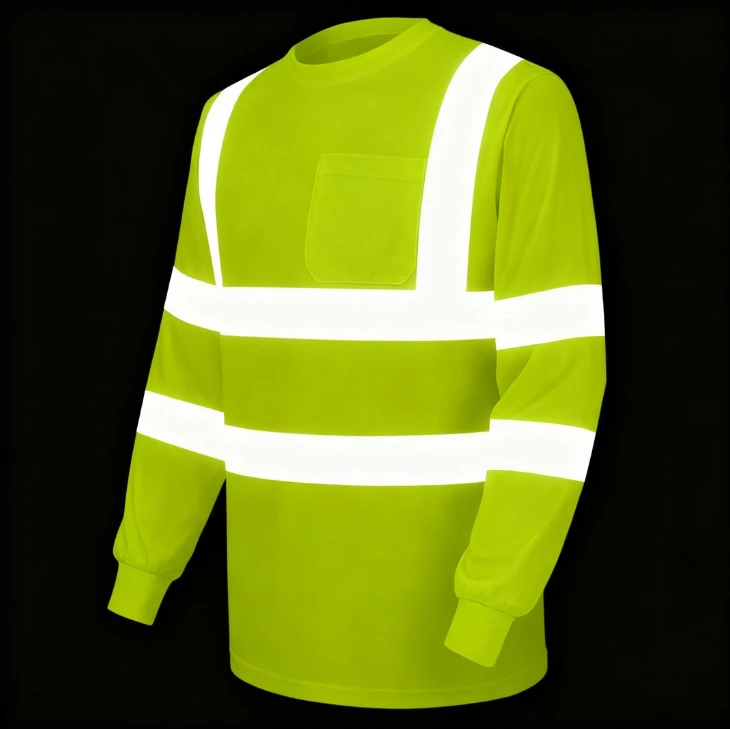
A supplier that can document a sample order can document a container.
Shield Wings manufactures in Shenzhen and publishes its product documentation, so a buyer can start the verification from the documents rather than from a claim. The related guides are China PPE factory audit: what to check, OEM PPE manufacturing in China, and the PPE procurement guide; the specification conversation starts at the contact page.
For the wider topic and related decisions, see our PPE Sourcing, Manufacturing & Compliance.
FAQs
Why source PPE from China?
Because the production depth is real: tooling, materials and finishing are available in the same industrial region, which shortens sampling and makes it easier to scale a run without re-engineering the design. The advantage is realised only when the supplier can also document what it produced.
How do I verify a Chinese PPE manufacturer?
Audit compliance documents, production capability, quality control, material sourcing, workforce conditions, and business stability — and confirm the certificates match the exact models you will buy. Start with the certificate and the batch records, because a supplier that cannot produce those cannot be verified by any other means.
Can Chinese factories handle OEM and private-label PPE?
Yes. Most established factories offer OEM/ODM services including logo branding, sizing, packaging, and certification support, with MOQs sized for both startups and volume buyers.
Related Articles
- China PPE Factory Audit: What to Check
- OEM PPE Manufacturing in China: The Complete Guide
- PPE Procurement Guide: How to Buy Safety Equipment for Your Team
- How to Evaluate PPE Suppliers: Price, Quality and Delivery
- Custom Workwear Manufacturing: MOQ, Sampling and Production
Official Resources
References
- Regulation (EU) 2016/425 on personal protective equipment — conformity requirements, technical documentation and CE marking. EUR-Lex.
- 29 CFR 1910.132 — General requirements: hazard assessment, equipment selection and written certification. Electronic Code of Federal Regulations.
- ASTM F2412 / F2413 — test methods and performance requirements for protective footwear, cited as consensus standards in 29 CFR 1910.136.
- ANSI Z87.1 — occupational and educational personal eye and face protection devices. American National Standards Institute.