

afety helmets protect the head from falling objects, impacts, and electrical hazards — and they only protect when the right type is chosen, fitted, and replaced on schedule. This guide explains ANSI Z89.1 and EN 397 types and classes, materials, accessories, and lifecycle, with factory insight from Shield Wings’ head protection.
(Last modified date: October 3, 2026)
Quick definition: ANSI Z89.1 defines two types and three classes: Type I protects against top-of-head impacts, Type II adds lateral protection, and the class (G, E, or C) defines electrical protection — so the label tells you exactly…
Key Takeaways
- Safety helmets matter because head injuries are among the most severe and preventable on a worksite: a helmet absorbs the impact that would otherwise strike the skull, and modern designs also protect against side…
- EN 397 is the European standard for industrial safety helmets, testing top impact and penetration with optional tests for lateral deformation, electrical insulation, and extreme temperatures — and it is the reference…
- Helmet shells are typically ABS, HDPE, or polycarbonate, and the best material depends on the balance you need between weight, durability, cost, and chemical resistance — there is no single winner for every site.
- Smart safety helmets integrate communication, sensors, and monitoring into the shell — built-in speakers and microphones, gas and temperature detection, location tracking, and even augmented reality overlays — for…
- Choose by hazard: Type II for impact-rich sites, Class E for electrical work, EN 397 certification for European projects, then match accessories, climate, and fit — and test the final choice before bulk ordering.
- The table below summarizes the specification points to verify when sourcing helmets from a manufacturer like Shield Wings.
Why Do Safety Helmets Matter More Than Ever?
Safety helmets matter because head injuries are among the most severe and preventable on a worksite: a helmet absorbs the impact that would otherwise strike the skull, and modern designs also protect against side impacts that older hard hats missed.
Workers in construction, manufacturing, utilities, and mining face falling tools, overhead loads, and impacts at height. A strike to the head can cause traumatic brain injury, and the consequences last a lifetime. Traditional hard hats protected the top of the head; modern safety helmets with chin straps and expanded coverage protect against side and rear impacts and stay on during falls. Many operators are now switching from hard hats to helmets for exactly this reason, and the standards have evolved to support it.
The shift is visible in the standards themselves: ANSI Z89.1 Type II testing for lateral impact exists precisely because injuries were happening from side and rear strikes that Type I caps were never designed to handle. Employers who standardize on Type II helmets close a gap that used to be accepted as normal risk. Combined with the growing availability of helmet-mounted accessories — face shields, earmuffs, communication units — the modern helmet is becoming the hub of the worker’s head protection system rather than just a shell.
What Do ANSI Z89.1 Type and Class Mean?
ANSI Z89.1 defines two types and three classes: Type I protects against top-of-head impacts, Type II adds lateral protection, and the class (G, E, or C) defines electrical protection — so the label tells you exactly what the helmet can do.
| Type / Class | Meaning |
|---|---|
| Type I | Protection from vertical impacts to the top of the head |
| Type II | Protection from vertical and lateral impacts |
| Class G (General) | Tested to 2,200 V, low electrical conductivity |
| Class E (Electrical) | Tested to 20,000 V, for high-voltage work |
| Class C (Conductive) | No electrical protection, lightweight |
Most industrial sites now choose Type II helmets because lateral impacts from swinging loads and falls are common. For electrical work, Class E provides the highest tested insulation; Class C is never used near electricity. When you see a label like “ANSI Z89.1 Type II Class E,” every part of that code is a spec you can verify.
How Does EN 397 Differ from ANSI Z89.1?
EN 397 is the European standard for industrial safety helmets, testing top impact and penetration with optional tests for lateral deformation, electrical insulation, and extreme temperatures — and it is the reference for helmets sold in Europe and many global projects.
Where ANSI Z89.1 divides helmets into types and classes, EN 397 certifies a baseline of top impact and penetration protection and then adds optional requirements that must be marked. A helmet marked for lateral deformation, electrical properties, or -30°C performance carries those extra protections. Global buyers should ask for both ANSI and EN certification where projects span regions, so one helmet model covers every site without separate inventories.
What Materials Are Helmets Made From and Which Is Best?
Helmet shells are typically ABS, HDPE, or polycarbonate, and the best material depends on the balance you need between weight, durability, cost, and chemical resistance — there is no single winner for every site.
ABS is economical and tough, making it the most common choice for general industry. HDPE offers good impact performance and is resistant to many chemicals, with a slightly different flex feel. Polycarbonate is the lightest of the three and performs well at extreme temperatures, which is why it appears on premium and smart helmets, at a higher price. Beyond the shell, the suspension system carries most of the comfort: ratchet adjustments, sweatbands, and chin straps turn a rigid shell into a wearable system. Match the material to the climate, the chemical exposure, and the hours the helmet will be worn.
What Are Smart Safety Helmets and When Should You Use Them?
Smart safety helmets integrate communication, sensors, and monitoring into the shell — built-in speakers and microphones, gas and temperature detection, location tracking, and even augmented reality overlays — for high-risk, high-value operations.
For large construction sites, mines, and industrial plants, a smart helmet turns the head protection into a connected tool: supervisors can see where crews are, receive man-down alerts, and talk hands-free in noisy environments. Gas and oxygen sensors warn workers before they enter a dangerous atmosphere. The value is real but the use case is specific — smart helmets make sense where coordination, monitoring, and visibility are critical. Our smart safety helmet range shows how these features integrate without compromising the shell’s protective rating.
The economics work out where an incident is expensive and coordination is hard. A remote construction site where a worker falls unseen, or a plant where gas exposure can go unnoticed until symptoms appear, justifies the connectivity premium quickly. For straightforward sites with strong supervision and simple tasks, the standard helmet remains the right investment. Plan the rollout around the use case: pilot on one crew, measure the operational benefit, then expand — the same way you would evaluate any safety technology.
How Do You Choose the Right Helmet for Your Site?
Choose by hazard: Type II for impact-rich sites, Class E for electrical work, EN 397 certification for European projects, then match accessories, climate, and fit — and test the final choice before bulk ordering.
Build a short hazard list per site: falling objects, lateral impacts, electrical exposure, extreme temperatures, and tasks requiring communication. That list selects the type, class, and optional features. Then check practical fit — the suspension should sit level, the chin strap should hold the helmet in place, and the shell should not interfere with face shields, earmuffs, or welding helmets. Finally, order samples in the sizes your crew actually needs and trial them on the job, because a helmet that shifts or pinches will not be worn properly.
Accessories extend the helmet into a complete head protection system, and compatibility should be checked at the same time as fit. Face shields need mounting points and clear visibility; earmuffs must seal around the strap; communication units must fit without lifting the shell. Buying helmet and accessories from one source, matched and documented together, removes the compatibility guessing that happens when components come from different suppliers. Our head and face protection range is built around that matched-system idea.
Safety Helmet Specifications at a Glance
The table below summarizes the specification points to verify when sourcing helmets from a manufacturer like Shield Wings.
| Specification | What to confirm |
|---|---|
| Standard | ANSI Z89.1 Type/Class or EN 397 with optional tests |
| Shell material | ABS, HDPE, or polycarbonate |
| Suspension | Pin-lock or ratchet, with chin strap |
| Accessories | Face shields, earmuffs, visors, smart modules |
| Customization | Logo printing, colors, molded branding |
| Lifecycle | Date of manufacture, replacement schedule |
Shell materials trade weight against durability: ABS and HDPE are economical and tough, polycarbonate is lighter and more expensive. Match the material to the duty cycle and climate.
When Should You Replace a Safety Helmet?
Replace a helmet immediately after any significant impact, when the shell shows cracks, crazing, or discoloration, when straps or suspension are damaged, and on the manufacturer’s date-based schedule — typically within five years of manufacture and sooner in service.
Helmets have a service life even without visible damage, because UV light, heat, and chemicals degrade shell materials. Most manufacturers stamp a date of manufacture and recommend replacement within five years, with two to three years common for heavy use. Sunlight and harsh chemicals accelerate aging, so inspect monthly and store helmets away from direct sun and solvents. A helmet that protected a worker through an impact has done its job — retire it and issue a new one.
Monthly inspection should cover the shell inside and out, the suspension, the chin strap, and any accessory mounts. Look for cracks, crazing (fine surface checking), discoloration, and softening of the shell; check the suspension for fraying and the strap for worn stitching. Keep helmets out of vehicle rear windows and off dashboards, where heat and UV attack the material. Date each helmet at issue, log replacements, and make the replacement policy visible — crews cannot follow a rule they were never told.
Can You Customize Helmets with Branding and Accessories?
Yes. Shield Wings offers helmet customization — logo printing and molded branding, company colors, and accessory packages like face shields and earmuffs — through wholesale and OEM programs.
Branded helmets identify crews instantly and standardize the look across sites. Customization ranges from simple logo stickers to molded shells with company colors and integrated accessory rails. Buyers can also order complete packages where the helmet, face shield, and earmuffs are matched and documented together. Because we manufacture the helmets, samples confirm the branding and fit before bulk production, and every batch ships with its certification documentation.
Custom helmet programs typically need a longer lead time than stock orders, so plan around the season or project start date. Ask about MOQ flexibility for pilots, artwork approval steps, and whether reorders can run with the same tooling. For distributors, private-label shells and packaging turn the standard helmet into their own product line. In every case, confirm that branding does not interfere with certification — we handle that in design so the label stays valid.
Expert Views
“The shift from hard hats to safety helmets is the most positive change I have seen in head protection, but only when it is done properly. Type II helmets with chin straps protect against the lateral impacts and falls that used to be ignored, yet I still see sites buying Type I caps for work where swinging loads are everywhere. The second issue is lifecycle: helmets are treated as lifetime equipment, when the standard and the manufacturer clearly say they age out. UV light, heat, and impacts all degrade the shell invisibly. My advice is simple: spec the helmet to the hazard list, check the date of manufacture, replace after any impact, and train crews to inspect before every use. Add a chin strap and accessories that fit the task, and you turn a piece of equipment into a system that workers actually trust.” — Head Protection Specialist, Shield Wings
What Should Your Next Step Be?
Review your site’s hazard list, select the helmet type, class, and accessories that match, and request samples before ordering for the team.
Our team can help you specify helmets — ANSI Z89.1 Type II Class E or EN 397, with accessories and branding — and arrange samples for field testing. Wholesale buyers can discuss volume pricing and OEM customization through our contact page or the head and face protection range. For teams that need connected safety, ask about our smart helmet options as well.
Matching Type and Class to the Site (29 CFR 1910.135)
Head protection is not chosen by brand preference in the United States: the employer must ensure a protective helmet is worn wherever falling objects could injure the head (29 CFR 1910.135(a)(1)), and must ensure a helmet designed to reduce electrical shock hazard is worn near exposed conductors that could contact the head (1910.135(a)(2)). Compliance runs to ANSI Z89.1 — 1910.135(b)(1) incorporates the 2009 and earlier editions — and the type and class on the certificate are what tell you whether the helmet answers the exposure.
| Exposure on site | Specify | Why |
|---|---|---|
| Overhead work only, dry indoor area | Type I, Class G | Top impact only, dielectric tested to 2,200 V — the lightest compliant answer |
| Mobile plant, low beams, side impacts | Type II | Tested for lateral impact as well as impact to the top |
| Work near exposed conductors | Class E | Dielectric tested to 20,000 V |
| No electrical exposure at all | Class C | No electrical protection — keep it away from any live work |
| Molten metal or extreme cold (Europe) | EN 397 plus the relevant optional test | The cold, molten-metal and 440 V tests are add-ons, not part of the base standard |
One helmet per site, not one per task
Illustrative example. A fabrication shop runs an overhead gantry crane, welding stations, and occasional work at a 415 V panel. Averaging those exposures is the wrong move — the helmet has to satisfy the strictest one in the area, so the specification is Type II Class E with a chin strap. Assume 40 wearers, one helmet each, plus a 15% float (6 helmets) for the month a helmet is taken out of service, because a helmet involved in a significant impact is replaced rather than reused. If the cohort is bought in 2026 and the manufacturer’s schedule is replacement five years from the date of manufacture, the whole cohort leaves service by 2031 and the float is what keeps the site compliant in the meantime. Replace every input with your own headcount and schedule.
Two boundary conditions buyers get wrong
First, the ANSI edition matters: the rule incorporates Z89.1-2009 and earlier editions, so the certificate you file should name the edition that was actually tested rather than a general claim that the helmet “meets ANSI”. Second, EN 397 and ANSI Z89.1 are not interchangeable — the European standard’s cold, molten-metal and 440 V tests are optional extras, so a CE-marked helmet bought without them is not a Class E equivalent no matter how the datasheet reads.
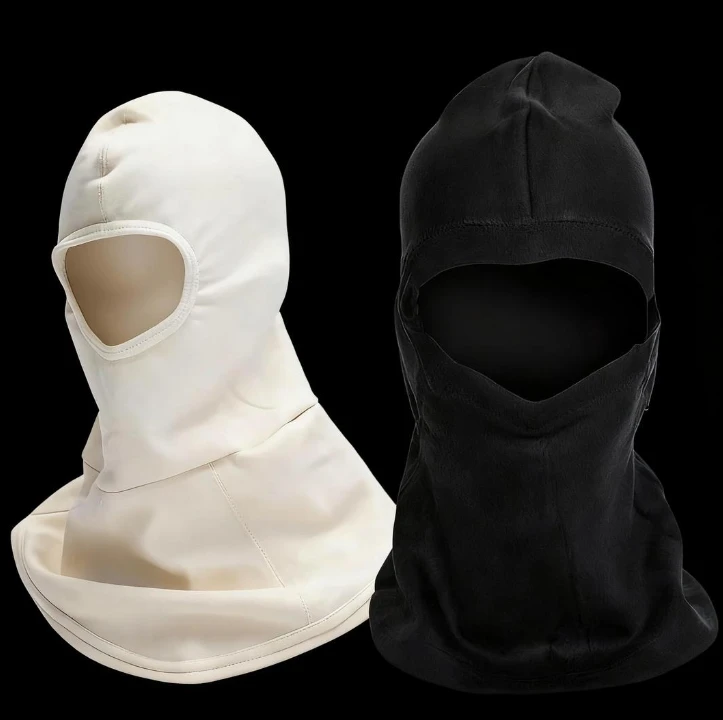
For the wider topic and related decisions, see our Head, Face & Eye Protection.
FAQs
What is the difference between a hard hat and a safety helmet?
Hard hats traditionally protect the top of the head; safety helmets add side and rear protection and stay on with a chin strap, meeting Type II requirements.
Can a helmet be reused after an impact?
No. Replace it immediately after any significant impact, even if no damage is visible.
Do helmets expire?
Yes. Follow the manufacturer’s date-based schedule, typically within five years of manufacture and sooner with heavy use or harsh conditions.
Can we add our logo to helmets?
Yes. We offer printing and molded branding through our OEM and wholesale programs without affecting certification.
What is the difference between Type 1 and Type 2 head protection?
Type I is tested for impact to the top of the head only. Type II is tested for lateral impact as well, so it suits areas where a worker can strike the side of the head — low beams, moving plant or confined access.
Is a Class C or Class E hard hat better?
Neither is better in the abstract. Class E carries a 20,000 V dielectric test and Class C has no electrical protection at all, so the choice follows whether exposed conductors could contact the head — which is the case the rule singles out (29 CFR 1910.135(a)(2)).
Related Articles
- High Temperature Gloves: Types Ratings and Selection
- How to Choose Safety Glasses for Your Workplace
- PPE for Firefighters and Emergency Responders
- Smart Safety Helmets: Features Benefits and ROI
Official Resources
- Products Head And Face Protection Page
- Eye Protection For Welders Helmets Goggles And Filters
- Arc Flash Protection The Complete Guide For Electrical Workers
- Industrial Safety Gloves Sizing And Fit Guide
- Smart Safety Helmet
- Auto Darkening Vs Passive Welding Helmets
- Auto Darkening Welding Helmet Buying Guide Din Shades And Lens
- Contact Shield Wings