

Eye protection is the item most often bought by the box and specified last. That order is backwards: the marking on a pair of safety spectacles states which hazard it was designed for, and a lens approved for impact is not automatically the right choice for chemical splash, fine dust or optical radiation. The selection question is not which style the crew prefers but which hazard the task presents, from which direction, and for how long.
The Hazard First, the Product Second
Eye and face hazards arrive in four families, and each one loads the protection differently. Impact transfers kinetic energy to the lens and the frame, so the design has to resist penetration and stay in place. Optical radiation — arc, welding arc, laser, furnace glow, ultraviolet from a process — requires a filter that attenuates the relevant wavelengths. Fine particulate, dust and mist move in the air and reach the eye from any direction, which makes coverage and sealing the determining factor. Chemical splash is a contact hazard whose severity depends on the substance, the volume and the direction of the splash.
Those four families overlap in real tasks. Grinding produces both impact and fine particulate. A battery-charging area produces splash and gas. Furnace work produces radiant heat, molten metal and glare. The specification should therefore name every hazard in the family that applies, because the eyewear is tested per property and a product that meets one requirement does not inherit the others.
What the Risk Assessment Has to Establish
The assessment turns a general statement such as “eye protection required” into a specification a supplier can quote against. Occupational eye and face protection requirements in the United States are set out in 29 CFR 1910.133, which requires the employer to ensure that suitable protection is provided where there is a reasonable probability of injury, and to base the selection on the hazard. The European framework works through the PPE Regulation and the eye and face protection standards it calls up. In both cases, the selection decision belongs to the employer.
For a workable specification, the assessment should record:
- The physical form of the hazard: solid particles, liquid, mist, gas, radiation or a combination.
- The direction of travel, including hazards from above, from the side and from behind the worker.
- The energy involved for impact or radiation, expressed in the terms the applicable standard uses.
- The substances involved where splash is credible, because the substance determines the severity of contact.
- The duration and frequency of the task, including whether the worker passes through the hazard zone or works in it.
- Compatibility with other equipment: helmet, face shield, respiratory protection and prescription eyewear.
Where the assessment does not exist, the purchase becomes a guess with a specification number attached to it. Buyers who ask for the hazard statement before quoting are usually the ones who avoid a second order three months later.
Which Hazards This Category Covers and Which It Does Not
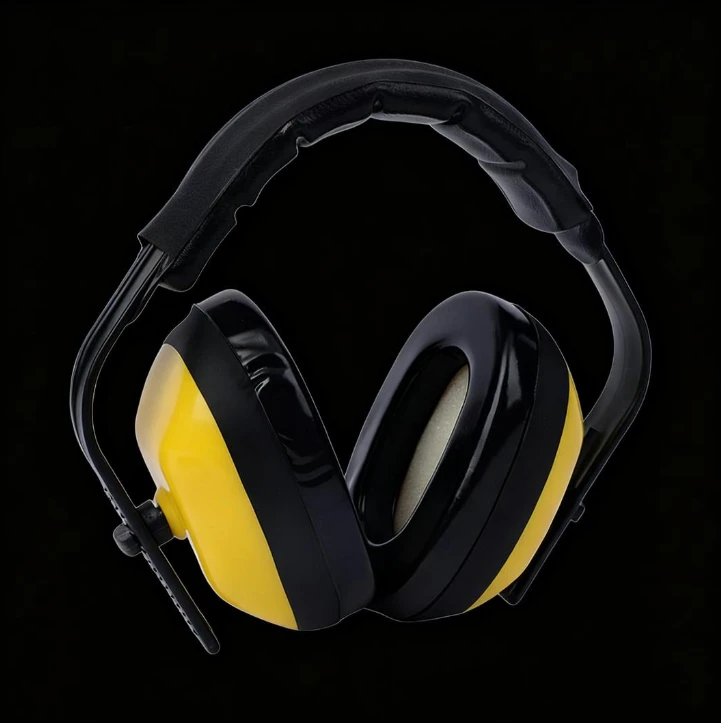
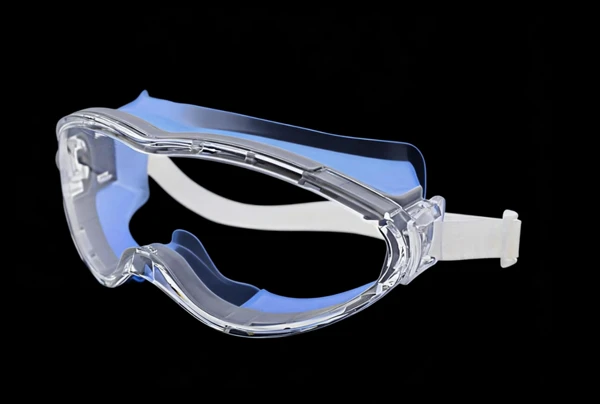
Eye and ear protection in this range covers primary eye protection such as safety spectacles and goggles, and the hearing protection worn on the same sites. Face shields and welding helmets sit in the head and face range, even though they contribute to eye safety, because they are specified as face protection with their own mounting and coverage logic.
Three boundaries are worth stating. Primary eye protection is not replaced by a face shield. Eye protection does not address respiratory exposure, which needs its own assessment of airborne contaminants and its own equipment. And hearing protection is selected from a noise assessment rather than from the eye hazard list, even though both are issued from the same storeroom. Where a task involves all three, the specification lists them separately, because each has a different measurement behind it.
Matching Task to Protection Level
The marking on the eyewear is the shortest path from the assessment to the product. Both main frameworks require the manufacturer to mark eye and face protection with the properties it provides, so a buyer can verify on receipt that the shipment matches the specification instead of taking the catalogue description as evidence.
| Task hazard | What decides the specification | Fit and coverage issue | Evidence to request |
|---|---|---|---|
| Flying particles, chipping, grinding, machining | Impact performance and lens retention under the applicable standard | Coverage from the direction of travel; side arms or a full seal | Test documentation and the impact marking on the product |
| Fine dust, mist and airborne particulate | Sealed design, since particles reach the eye from any direction | Face seal without pressure points for a full shift | Marking for particulate coverage plus the model’s sealing design |
| Chemical splash and handling of liquids | Splash performance and resistance of the frame and lens to the substance | Gap coverage at the brow, sides and under the eye | Chemical resistance information and the marking for splash protection |
| Welding, cutting and other optical radiation | Filter shade and the wavelength range it attenuates | Compatibility with a helmet and any prescription eyewear | Filter documentation and the shade marking supplied |
| Molten metal, hot slag and furnace work | Combination of impact, heat and splash requirements | Primary protection under the face shield or hood | Documentation for each property claimed, not the combination assumed |
| Electrical work and arc exposure | Arc-rated face and eye protection from the assessment; not standalone goggles | Coverage that remains in place when the hood or shield is worn | Arc-related documentation for the products specified, with the equipment they accompany |
Fit is part of the specification, not an afterthought. Eyewear that slides down the nose, interferes with a hard hat’s suspension, or presses against a respirator mask will be adjusted during the task, and each adjustment is a moment when coverage is lost. Where the workforce includes several face shapes and a wide range of prescription needs, the specification should allow more than one model, with the hazard requirement held constant across them.
Compatibility deserves a trial rather than a datasheet comparison. A short fitting exercise with the actual combination — helmet, eyewear, hearing protection and respirator as used together — identifies interference in minutes and prevents the slow drift toward removing one item. Where interference cannot be resolved by choosing a different model, the specification should record the compromise that was accepted and why, so that it is a decision rather than an accident.
Where Selection Usually Goes Wrong
The recurring failures are visible in any plant walk-through, and each of them can be traced back to a specification decision rather than to worker behaviour.
- One model for every task. The cheapest way to comply is a single spectacle in every storeroom, which leaves splash, dust and radiation tasks covered by an impact-only product.
- Prescription eyewear treated as eye protection. Ordinary spectacles are not tested to the standard, and over-glasses designs only work where they are intended for that use and fit correctly.
- Face shields used alone. Where primary eye protection is required, the shield is an additional layer rather than a substitute.
- Scratched lenses kept in service. Visibility is a safety variable; a cloudy lens is a defect, not a familiarity.
- Loose fit accepted. Gaps at the brow and sides are exactly where splash and fine particles enter.
- Cleaning that damages the product. Solvents and abrasive cloths degrade lens coatings and frames; the manufacturer’s instructions govern.
- Hazard identification by task name. “Grinding” carries different hazards depending on material and process, and the assessment should describe the exposure rather than the job title.
The Hierarchy of Controls Around the Selection
Eye injuries are frequently preventable without new personal protective equipment. Enclosure, machine guarding, local exhaust ventilation, splash guards, curtains and screens around welding arcs, and the substitution of processes that produce fewer particles or less radiation all remove or reduce the hazard rather than defending against it.
Administrative controls come next: separating tasks in time or place, restricting access to areas where eye hazards are present, and defining procedures for handling chemicals that reduce the chance of a splash. Personal protective equipment is the last line of defence. It reduces the severity of an injury when the earlier controls fail or a residual exposure remains, and it depends entirely on the wearer keeping it in place, clean and correctly fitted.
This framing also tells the buyer where to spend. Where the assessment shows that a guard or an enclosure would remove the exposure, that measure is more reliable than any eyewear, and the eyewear requirement that follows will be narrower and easier to sustain.
Specification Points to Fix Before Ordering
An eye protection specification is short enough to fit on one page, and it should be written so that a second supplier could quote against it without a meeting.
- The hazard statement: form of hazard, direction, energy and any substances involved.
- The standard the eyewear must be tested to, named with its scope, and the marking expected on the product.
- The coverage required: sealed goggle, spectacle with side protection, or a layered arrangement with a face shield.
- Fit requirements, including over-spectacle use and compatibility with helmet, respirator and hearing protection.
- The size or model range needed to fit the actual workforce, and the issue record that documents it.
- Documentation required with the quotation: test evidence, cleaning and storage instructions, and spare-part availability.
- Replacement rules for lenses, frames and seals, and the cleaning materials approved for the product.
- Training points, particularly for splash tasks, where removal and emergency action procedures must be understood before use.
The selection logic behind safety spectacles — marking conventions, lens options and fit for different workplaces — is covered in Shield Wings’ guide to choosing safety glasses, which owns that topic. The products themselves are listed in the safety glasses range and in the wider eye and ear protection category.
Shield Wings manufactures eye and ear protection, including safety glasses and hearing protection earmuffs, at a Guangdong production base, alongside face shields and welding helmets for tasks where the eye hazard travels with a face hazard. For procurement teams, the practical value of getting the specification right the first time is that issue, replacement and training all become predictable, and the storeroom stops holding three products where one would do.
For the wider topic and related decisions, see our Head, Face & Eye Protection.
Frequently Asked Questions
Is it acceptable to wear safety glasses over prescription spectacles?
Only if the over-glasses design is intended for that use and the combination keeps the eyewear in position with the coverage the task requires. Ordinary prescription spectacles are not eye protection, and safety glasses worn over them can sit too far from the face to provide side and gap coverage. Where several workers need correction, prescription safety eyewear or a properly specified over-spectacle design is usually the more reliable answer.
What should be checked when issuing eye protection?
Confirm the marking matches the hazard the assessment identified, the fit keeps the eyewear in place during the task, the coverage suits the direction the hazard comes from, and the wearer can combine it with the other equipment they use, including a helmet, face shield or respirator. Record the issue against the worker, and set a replacement rule for scratched or damaged lenses, because visibility is part of the protection.
Does a face shield replace safety spectacles?
No. A face shield protects the face and reduces the energy reaching the eye, but it does not provide the close-fitting, all-round coverage of primary eye protection, and it is generally specified as a secondary layer. Where the assessment identifies an eye hazard, primary eye protection is worn underneath, and the combination is chosen so that both stay in position while the task is performed.
How often should eye protection be replaced?
Replace lenses when they are scratched, crazed, cloudy or chemically affected, because the wearer’s ability to see the work is part of the safety of the task. Frames, temple arms and straps wear and lose their fit, and goggle seals deteriorate with use and cleaning. The interval therefore follows the manufacturer’s instructions and the site’s inspection routine rather than a fixed period, with pre-use checks by the wearer.
What if several hazards apply to one task?
The protection must cover all of them, and the marking is where that is verified. Where impact and chemical splash both apply, for example, the eyewear needs to be tested for each property the specification claims, and the fit has to remain close enough to resist splash while still resisting impact. Where the combination is difficult, the answer is usually a different product family rather than a compromise on one property.
Matching eyewear to the task list?
Send the tasks, the hazards and any compatibility requirements such as helmets or prescription eyewear. Shield Wings confirms which models and markings cover the exposure and what documentation accompanies them.
External references: 29 CFR 1910.133 eye and face protection, 29 CFR 1910.132, 29 CFR 1910 Subpart I, 29 CFR 1926 Subpart E personal protective equipment in construction, CCOHS PPE answers, UK HSE personal protective equipment guidance, Regulation (EU) 2016/425.
{“@context”:”https://schema.org”,”@type”:”FAQPage”,”mainEntity”:[{“@type”:”Question”,”name”:”Is it acceptable to wear safety glasses over prescription spectacles?”,”acceptedAnswer”:{“@type”:”Answer”,”text”:”Only if the over-glasses design is intended for that use and the combination keeps the eyewear in position with the coverage the task requires. Ordinary prescription spectacles are not eye protection, and safety glasses worn over them can sit too far from the face to provide side and gap coverage. Where several workers need correction, prescription safety eyewear or a properly specified over-spectacle design is usually the more reliable answer.”}},{“@type”:”Question”,”name”:”What should be checked when issuing eye protection?”,”acceptedAnswer”:{“@type”:”Answer”,”text”:”Confirm the marking matches the hazard the assessment identified, the fit keeps the eyewear in place during the task, the coverage suits the direction the hazard comes from, and the wearer can combine it with the other equipment they use, including a helmet, face shield or respirator. Record the issue against the worker, and set a replacement rule for scratched or damaged lenses, because visibility is part of the protection.”}},{“@type”:”Question”,”name”:”Does a face shield replace safety spectacles?”,”acceptedAnswer”:{“@type”:”Answer”,”text”:”No. A face shield protects the face and reduces the energy reaching the eye, but it does not provide the close-fitting, all-round coverage of primary eye protection, and it is generally specified as a secondary layer. Where the assessment identifies an eye hazard, primary eye protection is worn underneath, and the combination is chosen so that both stay in position while the task is performed.”}},{“@type”:”Question”,”name”:”How often should eye protection be replaced?”,”acceptedAnswer”:{“@type”:”Answer”,”text”:”Replace lenses when they are scratched, crazed, cloudy or chemically affected, because the wearer’s ability to see the work is part of the safety of the task. Frames, temple arms and straps wear and lose their fit, and goggle seals deteriorate with use and cleaning. The interval therefore follows the manufacturer’s instructions and the site’s inspection routine rather than a fixed period, with pre-use checks by the wearer.”}},{“@type”:”Question”,”name”:”What if several hazards apply to one task?”,”acceptedAnswer”:{“@type”:”Answer”,”text”:”The protection must cover all of them, and the marking is where that is verified. Where impact and chemical splash both apply, for example, the eyewear needs to be tested for each property the specification claims, and the fit has to remain close enough to resist splash while still resisting impact. Where the combination is difficult, the answer is usually a different product family rather than a compromise on one property.”}}]}