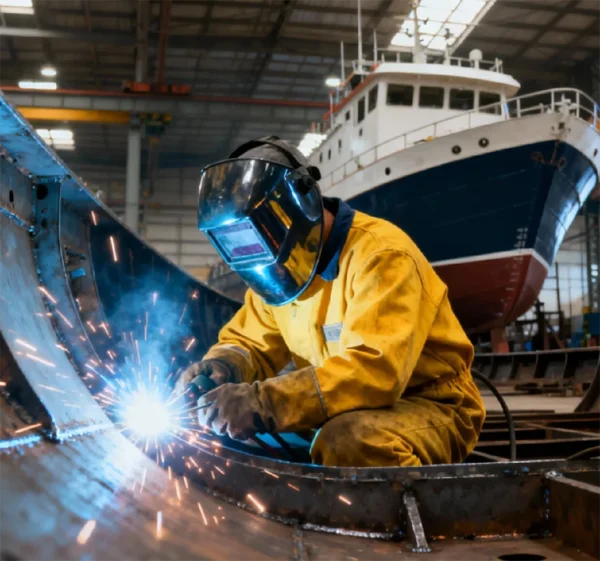
The shade number is the one setting on a welding helmet that a welder adjusts daily and that a specification usually leaves blank. That gap has a cost on both sides: welders compensate by lifting the helmet, which defeats the protection, or by working with a shade that leaves the joint hard to see, which shows up as rework. Setting the shade deliberately, from the process and the current rather than from habit, is a small piece of specification work with a measurable effect.
The Hazard First, the Product Second
Welding exposes the eyes and face to optical radiation across a wide spectrum, to hot spatter and slag, to fume, and to the physical hazard of the arc itself. The filter in a welding helmet is specified to reduce the intensity of the visible and invisible radiation reaching the eye to a level that permits the work to be performed safely, and the shade number expresses that reduction. Because the intensity changes with the process, the current, the electrode or wire, the plate thickness and the position of the weld, the shade is a variable rather than a fixed property of the helmet.
Two other hazards travel with the same task and should be specified at the same time. Spatter and slag require the shell, the lens cover and the face and neck coverage to be suited to the process, and fume requires ventilation and extraction as an engineering control rather than an item of personal protective equipment. A specification that addresses the filter and stops there usually leaves the welder improvising on the rest of the set.
What the Risk Assessment Has to Establish
The assessment for a welding task does not have to be complicated, but it should produce enough information to fix the specification. In practice, four statements cover most manual and semi-automatic welding work.
- The process or processes performed at that station, including any grinding, gouging or cutting done by the same welder.
- The operating range: current, electrode or wire type, and the material and thickness being joined.
- The position and environment, including confined spaces, out-of-position work, and whether other trades are working nearby.
- The other exposures present, such as radiant heat, molten metal, fume and the need for head protection under the helmet.
Where a welder moves between processes during a shift, the assessment should record the most demanding condition, because the filter has to cover the darkest requirement while remaining usable for the lightest. The employer owns that statement; a supplier can confirm what the filter and helmet are tested to and what shade range the model offers, but the requirement comes from the task.
Which Hazards This Category Covers and Which It Does Not
A welding helmet addresses the face and eyes of the welder during welding, and it is usually the mounting platform for other items: a safety helmet underneath for impact protection, ear protection for noise, and a respirator where fume control requires one. The category covers passive and auto-darkening helmets, the filter assemblies, and the lens covers and spare parts that maintain the optical path.
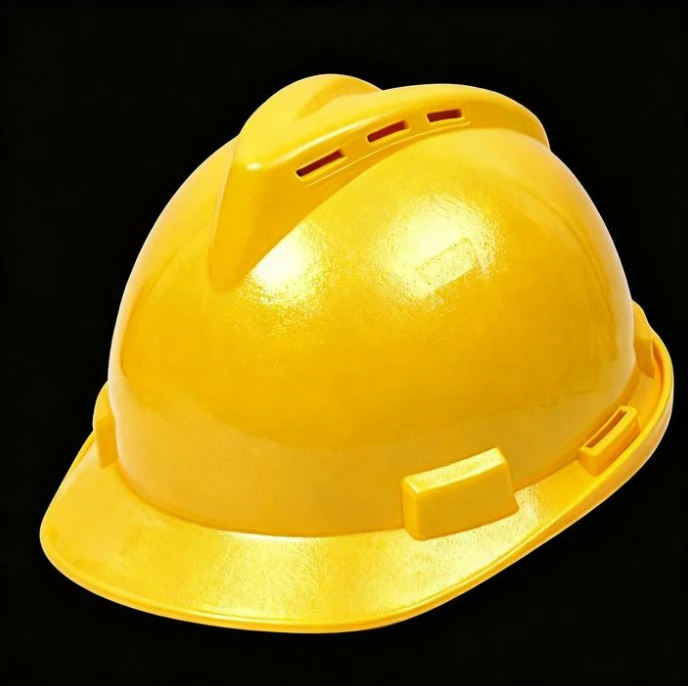
What it does not cover matters just as much. It does not protect bystanders, which is why screening and booths belong in the specification. It is not a substitute for body protection against spatter, radiant heat or molten metal, and it does not replace extraction or respiratory protection. Where head impact is credible, the welding helmet is worn with a safety helmet rather than instead of one, and the combination should be assessed for fit, retention and heat load.
Matching Task to Protection Level
The shade range is the deliverable, and it is derived from the variables below rather than from a single number copied from a chart. The table sets out what each variable changes and who defines the resulting value, so that the specification can be written with a citable source rather than a rule of thumb.
| Variable | What it changes | Who defines the value |
|---|---|---|
| Process | Arc intensity and stability, and therefore the shade band required | Eye and face protection standard and filter manufacturer’s instructions |
| Current or amperage | Radiant intensity, which sets the position inside the shade band | Same source, applied to the actual operating range |
| Electrode or wire and material | Arc characteristics and the amount of visible and infrared radiation | Same source; also affects spatter and fume controls |
| Plate thickness and joint preparation | Pass count and time at the arc, and the need to inspect between passes | Welding procedure specification and shop practice |
| Position and access | How close the welder works and how often the helmet is lifted | Task assessment; drives filter switching behaviour and fit |
| Grinding and cutting at the same station | The light state, and whether the helmet stays down or is removed | Task assessment; drives the auto-darkening specification |
Two consequences follow for buyers. First, the specification should state a shade range for the station rather than a single number, because the range has to accommodate the work as performed. Second, where auto-darkening filters are used, the light state and the switching behaviour are part of the specification: a welder who lifts the helmet to inspect a weld has removed the protection, and a filter that allows inspection with the helmet down is doing protective work rather than convenience work.
Three further considerations decide whether the chosen assembly works in practice. The first is the viewing area and the weight balance of the shell, because a heavy helmet with a small window is lifted more often, and the welder’s compensation becomes the exposure. The second is the power arrangement of an auto-darkening filter and how the workshop manages it: batteries, solar cells and the behaviour of the filter when power is depleted all belong in the maintenance routine, since a filter that fails to darken is a serious event rather than an inconvenience. The third is the spare-parts plan. Outer lens covers, inner covers and headbands are consumables, and a workshop that cannot replace them quickly will keep a scratched filter in service.
For a distributor or private-label buyer, the same considerations become a specification document rather than a purchase order: shade range, window size, switching behaviour, power arrangement, spare-part kit, marking and packaging, plus the test documentation that supports the claims the product makes in each market. Fixing those details once is what allows a catalogue line to be repeated across seasons without renegotiating the technical content.
Where Selection Usually Goes Wrong
The recurring failures at this stage are procedural, and each of them is visible in the workshop.
- One helmet, several processes. A filter bought for one activity and used for another across a shared bench is the most common source of discomfort and of helmet-lifting.
- Mixed shade ranges on the same bench. Where helmets of different models are pooled, welders swap units mid-task and lose the setting they rely on.
- Damaged or missing lens covers. The outer cover protects the filter; a cracked or missing one lets spatter into the assembly and degrades the optical path.
- Shade set by preference rather than by task. Habit travels between jobs, and a setting that suited a previous role may not suit the current one.
- Helmet lifted for grinding. Where the helmet is not worn during grinding, the eye protection that remains is often insufficient for the task, so the specification should cover both activities.
- No protection for bystanders. Screening is cheaper than treating an exposure nobody assessed.
- Ignoring head protection underneath. Where a safety helmet is required, the combination has to be specified and tested for fit rather than assembled on the day.
The Hierarchy of Controls Around the Selection
Welding protection is dominated by engineering and administrative measures before the helmet is considered. Extraction and ventilation remove fume at the source. Screens, booths and curtains contain optical radiation and spatter. Positioners, fixtures and rotation reduce the need to weld in awkward positions where the helmet is lifted. Welding procedures and sequencing limit the time at the arc. Training and supervision ensure the controls are used as designed.
Personal protective equipment is the last line of defence: the helmet does not remove the arc, the radiation or the fume, it reduces the exposure of the welder who is working in the controlled environment those measures create. Selection guidance, including the shade ranges discussed here, is conditional on the assessment of the actual task, because the same helmet can be adequate at one bench and inappropriate at the next.
Specification Points to Fix Before Ordering
A welding helmet specification worth writing contains more than a model number, and each line exists because it has caused a problem somewhere.
- The process, current range and materials the helmet has to cover, and any grinding or cutting at the same station.
- The standard the helmet and the filter are tested to, named with its scope, and the marking expected on the product.
- The shade range required, with the source that defines it, and the light state and switching behaviour for auto-darkening filters.
- The complete set: filter, outer and inner lens covers, headband or safety-helmet mounting, and spare parts availability.
- Compatibility with other required equipment, including head protection, ear protection and respiratory protection.
- Documentation required with the quotation: test evidence for the model, instructions and care information, and the traceability reference.
- Inspection and replacement rules for the filter, the covers and the headband, taken from the manufacturer’s instructions.
- Training requirements, because a filter that is not set correctly does not perform as specified.
The standards and marking conventions for welding helmets and filters are covered in detail by Shield Wings’ guide to welding helmet standards, which owns that topic rather than repeating it here. For the hardware itself, the auto-darkening welding helmet page sets out the available configuration, and the wider head and face protection range covers face shields and hoods for adjacent tasks such as grinding and furnace work.
Shield Wings manufactures welding helmets and face protection at a Guangdong production base and works with welding supervisors, fabrication workshops and distributors on configuration, lens and spare-part selections. The most useful thing a buyer can send with an enquiry is the process list and the current ranges at each station; that turns a generic quotation into a specification that a welder can actually work with.
For the wider topic and related decisions, see our Welding Safety & Welding PPE.
Frequently Asked Questions
Where does the shade number come from?
The shade is defined by the applicable eye and face protection standard and by the filter manufacturer’s instructions, which set the range appropriate to the process, the current and the viewing conditions. A specification should cite that source rather than reproduce it from memory. Welders who move between processes need a filter whose range covers the darkest and lightest shade their work requires.
Should the shade change when the process changes?
Yes. Arc intensity, arc stability and the amount of visible light differ between processes and between operating conditions, so a shade that is comfortable for one activity can be uncomfortable or inadequate for another on the same bench. Where a welder performs several processes in a shift, the filter should be selected for the most demanding of them and adjusted for the others within the range the standard allows.
Does a darker shade always mean better protection?
No. The shade has to suit the work: too dark a shade forces the welder to lean closer or lift the helmet to see the joint, which creates a different exposure and poorer weld quality. The correct shade is the one specified for the process and current, used with a helmet that stays down for the whole task and that is set to the required light state for grinding and inspection.
What should be verified with a supplier before ordering?
Confirm the standard the filter and helmet are tested to, the shade range available, the switching behaviour and light state of the auto-darkening filter, the spare parts and lens covers available for the model, and the documentation that will accompany the shipment. For a workshop ordering several helmets, confirm that the same shade range is supplied for every unit, because mixed ranges on one bench create confusion.
Do bystanders need protection from the arc?
Yes. The arc is a source of optical radiation beyond the welder’s immediate position, so screening, curtained booths and, where exposure is credible, eye protection for nearby workers belong in the specification. Screening is an engineering control and is usually the more effective measure; it also prevents other trades on site from being exposed without their knowledge.
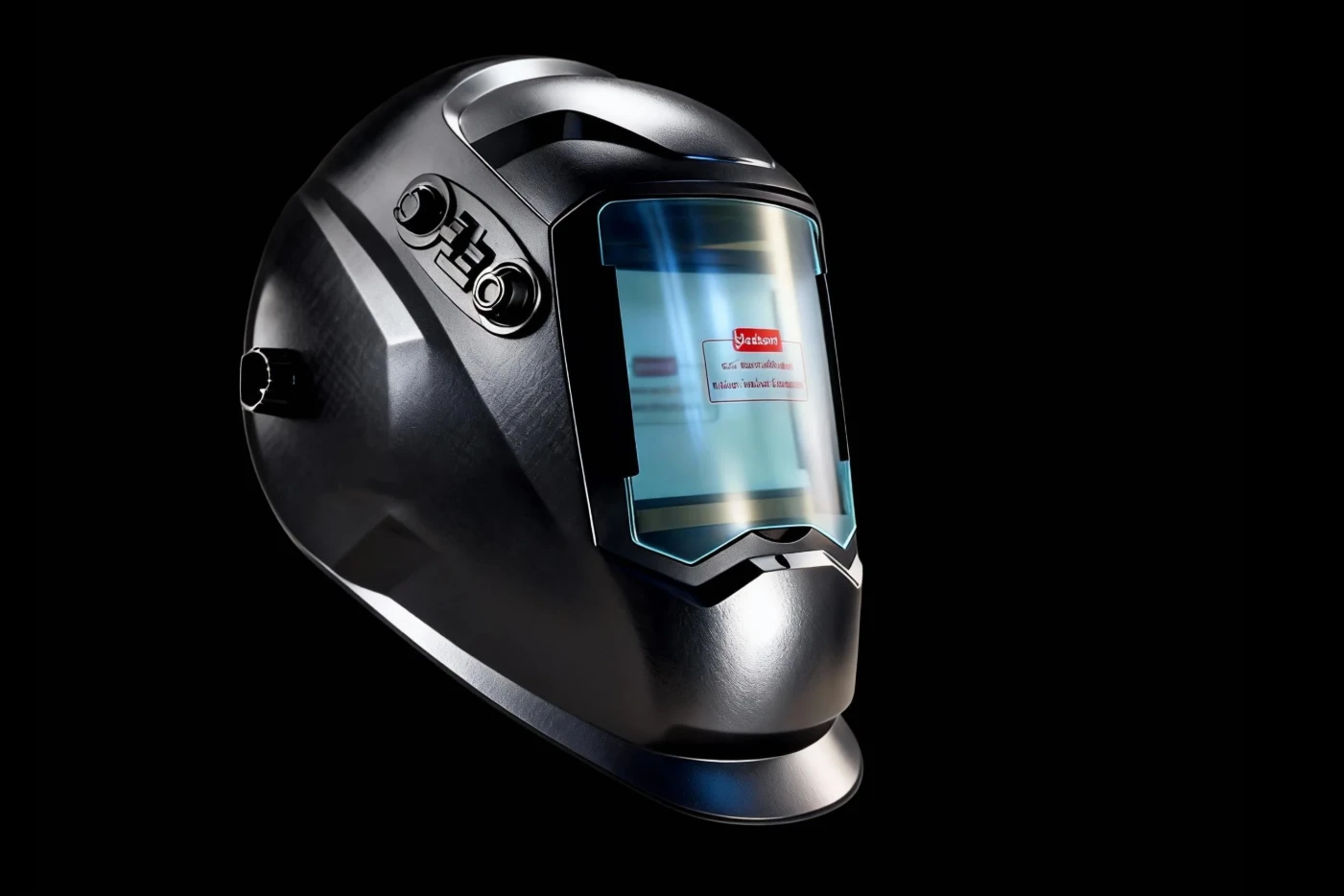
Writing a welding helmet specification?
Send the processes, current ranges and materials at each station. Shield Wings confirms the shade range, the filter configuration and the spare parts that keep the assembly serviceable.
External references: 29 CFR 1910.252 welding, cutting and brazing, 29 CFR 1910.133 eye and face protection, 29 CFR 1910.253 oxygen-fuel gas welding and cutting, UK HSE welding guidance, CEN-CENELEC standards portal, Regulation (EU) 2016/425.
{“@context”:”https://schema.org”,”@type”:”FAQPage”,”mainEntity”:[{“@type”:”Question”,”name”:”Where does the shade number come from?”,”acceptedAnswer”:{“@type”:”Answer”,”text”:”The shade is defined by the applicable eye and face protection standard and by the filter manufacturer’s instructions, which set the range appropriate to the process, the current and the viewing conditions. A specification should cite that source rather than reproduce it from memory. Welders who move between processes need a filter whose range covers the darkest and lightest shade their work requires.”}},{“@type”:”Question”,”name”:”Should the shade change when the process changes?”,”acceptedAnswer”:{“@type”:”Answer”,”text”:”Yes. Arc intensity, arc stability and the amount of visible light differ between processes and between operating conditions, so a shade that is comfortable for one activity can be uncomfortable or inadequate for another on the same bench. Where a welder performs several processes in a shift, the filter should be selected for the most demanding of them and adjusted for the others within the range the standard allows.”}},{“@type”:”Question”,”name”:”Does a darker shade always mean better protection?”,”acceptedAnswer”:{“@type”:”Answer”,”text”:”No. The shade has to suit the work: too dark a shade forces the welder to lean closer or lift the helmet to see the joint, which creates a different exposure and poorer weld quality. The correct shade is the one specified for the process and current, used with a helmet that stays down for the whole task and that is set to the required light state for grinding and inspection.”}},{“@type”:”Question”,”name”:”What should be verified with a supplier before ordering?”,”acceptedAnswer”:{“@type”:”Answer”,”text”:”Confirm the standard the filter and helmet are tested to, the shade range available, the switching behaviour and light state of the auto-darkening filter, the spare parts and lens covers available for the model, and the documentation that will accompany the shipment. For a workshop ordering several helmets, confirm that the same shade range is supplied for every unit, because mixed ranges on one bench create confusion.”}},{“@type”:”Question”,”name”:”Do bystanders need protection from the arc?”,”acceptedAnswer”:{“@type”:”Answer”,”text”:”Yes. The arc is a source of optical radiation beyond the welder’s immediate position, so screening, curtained booths and, where exposure is credible, eye protection for nearby workers belong in the specification. Screening is an engineering control and is usually the more effective measure; it also prevents other trades on site from being exposed without their knowledge.”}}]}