

Private label PPE lets a distributor or brand sell protective equipment under its own name, and the process — from the specification and sample to the branded product on the shelf — depends on documentation and repeatability. This guide explains the journey, with reference to private label PPE.
(Last modified date: October 2, 2026)
Quick definition: Private label PPE is a product manufactured to your specification and sold under your brand — the factory produces, and your label, packaging, and brand take it to market.
Key Takeaways
- The specification covers the product, the standards, the materials, the sizing, the branding, and the packaging — written so every supplier quotes against the same requirement.
- The sample is the bridge between the spec and the product: order samples in your sizes and branding, verify the construction and documentation, and approve it as the production reference.
- The branding process covers the labels, logos, packaging, and any custom printing — specified and approved as part of the finished product, with the materials compatible with the certification.
- Getting to market means confirming the destination requirements — labeling language, standard marks, restricted substances — and keeping the documentation with every delivery.
What Is Private Label PPE?
Private label PPE is a product manufactured to your specification and sold under your brand — the factory produces, and your label, packaging, and brand take it to market.
The product may be a standard item with your label, or customized in materials, sizing, and branding. The factory provides the manufacturing and the certification documentation; you provide the brand and the market. The arrangement works when the product is documented, repeatable, and matched to the market’s requirements. Private label turns a factory’s capability into your product line.
What Should the Specification Cover?
The specification covers the product, the standards, the materials, the sizing, the branding, and the packaging — written so every supplier quotes against the same requirement.
| Element | What it defines |
|---|---|
| Standards | Certifications required |
| Materials | Fabrics and construction |
| Sizing | Range for the market |
| Branding | Labels, logos, packaging |
| Compliance | Documentation delivered |
The specification is the contract for the whole product. It drives the quotation, the sample, the production, and the inspection. For protective equipment, the standards and the documentation are part of the spec, not an afterthought. A spec that is complete produces a product that is complete.
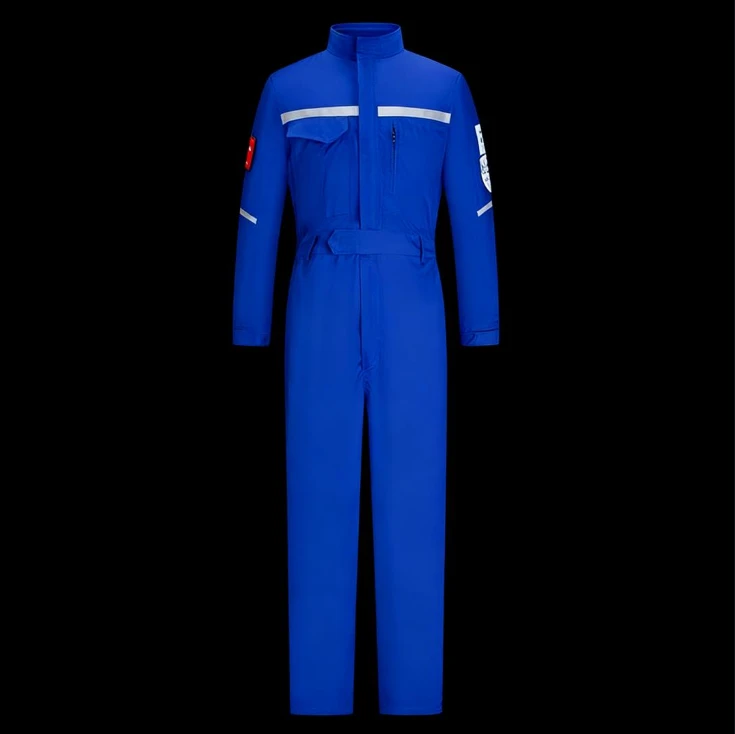
The specification is fixed before the branding is applied, not after.
How Does the Sample and Approval Work?
The sample is the bridge between the spec and the product: order samples in your sizes and branding, verify the construction and documentation, and approve it as the production reference.
The approved sample becomes the standard that production and inspection compare against. Record its measurements, materials, branding, and labels, and confirm the certification documentation covers the finished configuration. For private label, the branding and packaging are part of the sample approval. An approved sample is the document both sides sign with their actions.
What Does the Branding Process Involve?
The branding process covers the labels, logos, packaging, and any custom printing — specified and approved as part of the finished product, with the materials compatible with the certification.
Labels and packaging carry your brand and the required product information, including the standard marks and care instructions. Custom printing and trims must be approved for the product type — for protective equipment, confirm they do not affect the certification, with the documentation updated accordingly. The branding is approved on the sample and repeated on production. Your brand is the face; the documentation is the proof behind it.
What Private Labelling Does Not Change
A private label programme changes whose name is on the garment. It does not change what the garment has to prove, and it does not move the obligation onto the factory.
In the European Union, personal protective equipment placed on the market is regulated by Regulation (EU) 2016/425, and the conformity requirements — the risk assessment and the technical documentation behind the CE marking — attach to the party placing the product on the market. Production being offshore does not relocate that obligation. The practical reading for a private-label brand is that the technical documentation has to be obtainable for the models you sell under your own name, whatever the arrangement with the factory.
In the United States the mechanism runs through the buyer’s own duty. 29 CFR 1910.132(d) requires the employer to assess the hazards, select equipment that protects against them, communicate the selection, select PPE that fits, and certify the assessment in writing. If you are selling to US employers, the certificate that demonstrates the named standard is what your customer needs from you — and they will not be able to produce their written certification without it.
Two specification items follow that are easy to leave until too late:
- Who holds the documentation, and who can obtain it. Agree in writing that the certificate for the exact model, the batch records and the approved sample are available to you for as long as you sell the product — not only at the time of the first order.
- What the labelling has to carry. A private label usually changes the brand mark; it should not remove the manufacturer identification or the standard marking, because those are the two things that let a worker or an auditor trace the product back to a tested design.
The commercial point sits on top of the regulatory one. A private label range is only as defensible as the documentation behind it, which is why the specification and the documentation agreement belong in the same conversation as the logo and the packaging — not in a separate one after the first container has shipped.
How Do You Get Private Label PPE to Market?
Getting to market means confirming the destination requirements — labeling language, standard marks, restricted substances — and keeping the documentation with every delivery.
The destination market decides the labeling and conformity requirements, and they must be confirmed before production, not discovered at customs. Keep the certificates, the declaration where relevant, and the batch records per delivery. Reorder against the same approved sample and documentation. A private label line that is documented, repeatable, and market-compliant is a line that grows.
Confirm every specification, certificate, and quality term in writing before production; verify against the applicable standard and your own due diligence.
For the wider topic and related decisions, see our PPE Sourcing, Manufacturing & Compliance.
FAQs
Can we use our own brand and packaging?
Yes — the branding and packaging are specified and approved as part of the finished product.
Do we need our own certification?
The certification is based on the product and the factory’s documentation, delivered under your brand for your market.
What is the minimum order for private label?
It depends on the product and packaging; confirm the MOQ and reorder terms in writing.
How do we start a private label line?
Submit your specification and branding requirements via our contact page, or ask Shield Wings on the private label PPE.
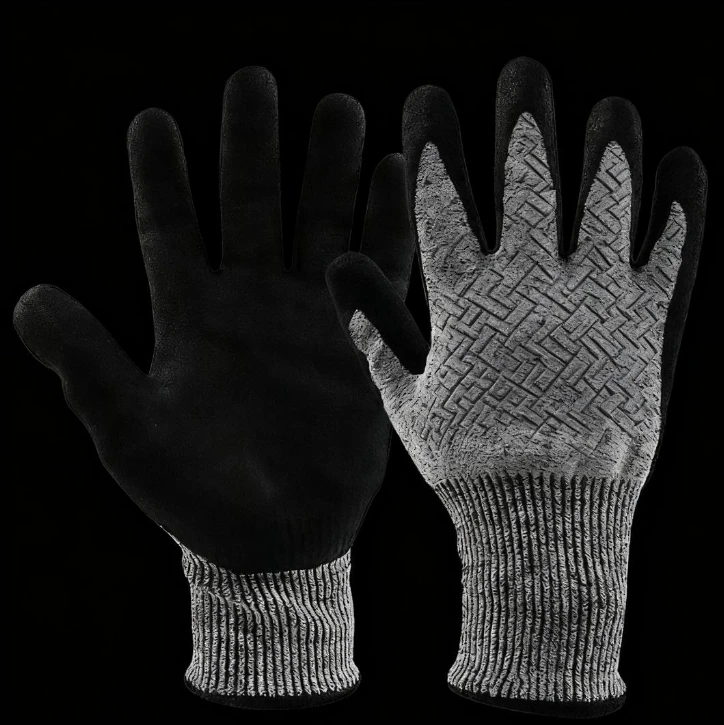
Branding changes the label; it does not change what the product has to prove.
Related Articles
- How to Choose Work Boots for Construction Sites
- Winter Workwear for Outdoor Workers: What to Look For
- FR Clothing Fabrics Explained: Nomex Kevlar Modacrylic and More
- China Personal Protective Equipment (PPE) Manufacturing Advantages: A Comprehensive Analysis for Global Buyers
- Custom Workwear Manufacturing: MOQ Sampling and Production
- China PPE Factory Audit Guide: What to Check
Official Resources
- OEM/ODM Services
- The Role Of Ergonomic Design In Modern Protective Equipment
- Custom Workwear Manufacturing Moq Sampling And Production
- Astm F1506 Vs Nfpa 2112 Fr Standards Compared
- Contact Shield Wings