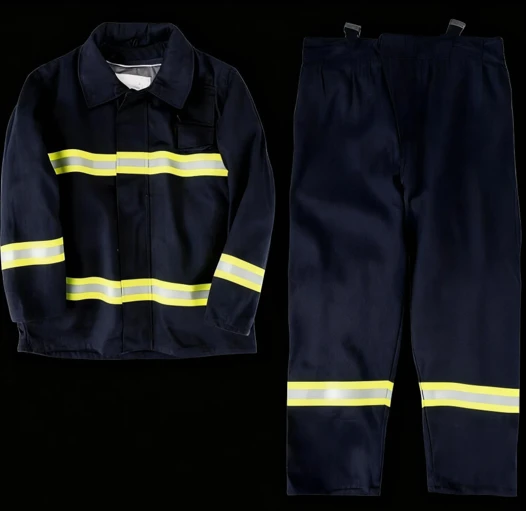
Four to six weeks. That is the production window a new FR coverall order usually needs, and it is the number that decides whether a safety season starts on time or starts with substitute garments that do not match the specification. Everything else in FR coverall buying — standard, fabric, fit, customisation — has to be settled before that clock starts.
(Last modified date: October 1, 2026)
Key Takeaways
- An FR coverall is a one-piece barrier, not just a garment that survives flame: it resists ignition, self-extinguishes, and limits heat transfer so the worker gets escape time.
- Match the standard to the hazard first — NFPA 2112 for flash fire, ASTM F1506 for electric arc, EN ISO 11612 for heat and flame internationally. Many sites need two of them on one garment.
- Inherent FR fabrics keep their protection for the life of the garment; treated fabrics pass the same standards when new but depend on the care cycle.
- Fit is a safety variable, not a comfort detail: closures must sit snug to stop flame entry, and every worker needs their own correctly sized garment.
- Order samples and confirm lead times before the season, because a bulk order that arrives late cannot be substituted without re-approving the specification.
What Are Flame Resistant Coveralls and How Do They Protect You?
Flame resistant coveralls are one-piece garments made from FR fabrics that resist ignition, self-extinguish, and provide thermal insulation during a flash fire or arc flash — which reduces burn injury and buys the wearer escape time.
Unlike ordinary workwear, an FR coverall does not simply survive contact with flame; it stops the fabric from becoming part of the injury. Non-FR cotton and synthetic blends can ignite, melt or drip onto skin, extending the burn well beyond the point of contact. FR fabrics are engineered so the garment works as a barrier: it keeps flame away from the body and limits heat transfer. For anyone exposed to flash fire, electric arc or molten metal, that barrier is the difference between a minor incident and a career-ending injury. The sizing and fit principles that keep the barrier working are set out in flame resistant clothing sizing and fit.
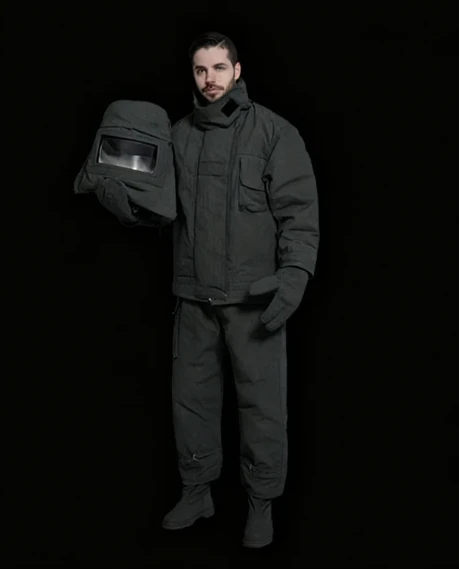
A one-piece coverall covers torso, arms and legs with no gap at the waist.
Which Standard Should Your Coveralls Meet?
The standard follows the hazard: NFPA 2112 for flash fire, ASTM F1506 for electric arc, EN ISO 11612 for heat and flame in international markets — and some jobs require more than one.
| Standard | Primary hazard | Typical markets |
|---|---|---|
| NFPA 2112 | Flash fire | United States, oil and gas |
| ASTM F1506 | Electric arc | United States, electrical work |
| EN ISO 11612 | Heat and flame | Europe and international |
| CE certification | Multiple | European Union |
Before comparing prices, confirm which standard your site’s risk assessment requires. Many buyers specify coveralls certified to both a flash fire and an arc standard so that one garment covers multiple tasks. The standard is also the anchor of the compliance file: a label without a test report is not proof of anything.
In the United States the underlying obligation sits with the employer, not the garment. OSHA 1910.132(d) requires a workplace hazard assessment, selection of equipment that protects against the hazards identified, communication of that selection to each affected employee, and a written certification of the assessment. When an auditor asks why a particular coverall is in service, the answer has to be that paper trail — the hazard assessment, the standard, the certificate and the batch records. Buyers who collect the trail from the first sample save themselves weeks of scrambling later. Ask every supplier for the certificate before purchase and batch-level documentation with delivery, and keep both in one folder the whole safety team can reach.
What Fabrics Are Used in FR Coveralls?
The main families are aramid fibres such as Nomex-type materials, treated cotton and cotton blends such as Proban, and modacrylic blends — each balancing protection, comfort, durability and cost differently.
Inherently FR fibres resist flame as part of their chemistry and keep protecting after many washes. Treated fabrics pass the same standards when new, but rely on a chemical finish that needs correct laundering to stay effective. For hot environments, lightweight modacrylic blends breathe better; for heavy industry, aramid and FR cotton blends offer more durability against abrasion. The trade-offs between the two mechanisms are covered in detail in FR clothing fabrics explained.
How Do You Choose the Right FR Coverall?
Work through four steps: confirm the standard and hazard level, select the fabric family, check the fit and closure design, and verify the test certificate before ordering.
Start with the hazard. A flash fire site needs NFPA 2112 clothing; electrical work needs arc-rated garments carrying a cal/cm² rating. Then choose fabric from climate and duty cycle — lighter blends for hot climates, heavier weaves for abrasion-heavy work. Then look at the practical details: closure type, pocket placement and sizing range. Finally request the certificate and a sample, because a sample worn through a real shift tells you more than any brochure.
Build the selection into a written specification before you contact suppliers. A clear spec — standard, fabric family, closure type, sizing range and quantity — makes quotes comparable and prevents the common trap of choosing between offers that do not actually match. Include delivery expectations too: sample lead time, bulk production window, and how mid-order changes are handled. Factory-direct suppliers can usually confirm all of that in writing, which is exactly what a procurement team needs to plan a season.
What Fit and Sizing Issues Matter for FR Coveralls?
FR coveralls must fit close enough to avoid snagging and excess fabric, but loose enough for mobility and an insulating air layer — and every worker needs their own correctly sized garment.
The standard procurement mistakes are buying one size for a whole crew and ignoring the spread of body types. Measure chest, waist, inseam, sleeve and height against the manufacturer’s chart, and order extended sizes where they are needed. Pay particular attention to cuff and collar closures: they should close snugly to prevent flame entry, especially when the coverall is worn over other layers. A coverall that fits properly also improves compliance, because workers wear what feels like their own gear rather than something issued from a shared pile.
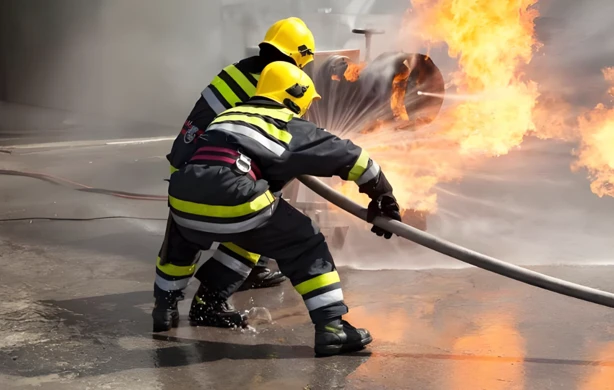
Cuff and collar closures are part of the barrier, not a finishing detail.
FR Coverall Specifications at a Glance
The configurable points below are what a factory order actually varies; final specifications always follow the hazard analysis and the target standards.
| Specification | Available options |
|---|---|
| Standards | NFPA 2112, ASTM F1506, EN ISO 11612, CE |
| Fabrics | Aramid, modacrylic blends, FR cotton (Proban-type) |
| Features | Two-way zippers, flap pockets, reflective trim, radio loops |
| Sizing | Regular and extended sizes, custom fit programs |
| Customization | Logo embroidery, company colours, tailored closures |
| Ordering | Samples, wholesale lots, OEM/ODM programs |
Every production batch is inspected against a written checklist and traceable to its fabric lot and certificate, so the compliance file stays complete from first sample to final delivery.
Can You Customize FR Coveralls for Your Company?
Yes — embroidered logos, reflective trim, company colours and tailored sizing are all available through OEM and ODM programmes.
Branded FR workwear does two jobs at once: it presents a uniformed team, and it makes compliance visible on site. Customisation covers heat-transfer or embroidered logos that remain FR-compliant, pocket configurations for tools and radios, and closure choices from zippers to snap fronts. The OEM process follows the usual sequence: agree the design, approve a sample, then produce. Wholesale buyers can start with a single sample coverall, test it on real work, and scale without a large first commitment. More detail sits on the OEM/ODM page, and the supplier-vetting questions are covered in FR coveralls wholesale: how to vet a manufacturer.
How Do You Care for FR Coveralls?
Wash with a non-ionic detergent, never chlorine bleach or fabric softener, at the temperature on the care label — and inspect regularly, because protective performance depends on the fabric staying intact.
Improper laundering is the fastest way to shorten FR life. Bleach and fabric softeners degrade FR chemistry or leave flammable residue, and high heat can shrink or damage the weave. Store coveralls away from direct sunlight and chemicals, and never store them damp. As a baseline: warm water, mild non-ionic detergent, thorough rinse, then low-heat tumble dry or hang to dry. Industrial laundries that specialise in FR clothing are worth considering for large teams, because they control temperature, detergent and inspection in a single process. Whichever route you take, post the care instructions at the laundry point and train workers not to treat FR garments like ordinary workwear.
The inspection side is what catches failures between washes. Check for holes and punctures, worn cuffs, frayed seams, contamination, and fading or colour change that signals the fabric has aged; replace any garment that no longer meets the standard rather than moving it to a lighter task. Set the inspection on a quarterly cycle and record it, because documented care and inspection is what makes a safety programme defensible rather than merely well-intentioned.
Where Should You Buy FR Coveralls in Bulk?
Buy from a factory that can show you test reports, production records and sample garments — direct manufacturing gives better pricing, more control and stronger traceability than buying through intermediaries.
Factory-direct sourcing brings three practical gains: wholesale pricing without a trading-company margin, direct access to engineers for customisation, and batch-level documentation that can be attached straight to the compliance file. Ask every supplier three questions: which standards does the certificate cover, what are the sample and bulk lead times, and can production be inspected or audited? A supplier who answers all three openly is one worth scaling with.
Volume planning belongs in the same conversation. Most factories quote tiered pricing, so confirm the price break at your actual order quantity rather than the entry rate. Ask about sample cost and whether it is credited against the bulk order, and check the production window against your season — new safety-season orders commonly need four to six weeks, so early ordering avoids last-minute substitution of products that do not match the specification.
What Should Your Next Step Be?
Confirm the standard your site requires, select the fabric family that fits your climate and tasks, and order samples before scaling to a full team order. Send your hazard analysis or current specification through the contact page and we will recommend the right FR coverall — standard, fabric, sizing and customisation — with samples available before you commit to bulk. Wholesale and OEM buyers can discuss volume pricing and lead times with the factory team directly, or request a quote from the FR clothing product page.
Which FR Coverall Questions Do Buyers Ask Most?
Are FR coveralls and arc-rated coveralls the same?
No. FR resists flame and flash fire; arc-rated garments carry a cal/cm² rating for electrical arc exposure. Some coveralls meet both, so check the certificate.
Can FR coveralls be worn over other clothing?
Yes, when sized for layering. The fit must allow mobility and an insulating air layer without excess fabric that can snag.
How often should FR coveralls be replaced?
Replace garments that show damage, fading, or contamination, and follow the manufacturer’s recommended service life. Quarterly inspection catches most issues early.
Do you offer sample orders for bulk buyers?
Yes. We recommend ordering one sample in the sizes you need, testing it on real workers, and approving it before bulk production.
Related Articles
- FR Clothing Fabrics Explained: Nomex, Kevlar, Modacrylic and More
- FR Coveralls Wholesale: How to Vet a Manufacturer
- Flame Resistant Clothing: Sizing and Fit Guide
- Firefighting PPE: The Complete Guide
- Heat Protective Clothing
Official Resources
References
- 29 CFR 1910.132 — General requirements: hazard assessment, PPE selection and written certification. Electronic Code of Federal Regulations.
- NFPA 2112 — standard on flame-resistant clothing for protection of industrial personnel against short-duration thermal exposures from fire. National Fire Protection Association.
- ASTM F1506 — standard performance specification for flame resistant and arc rated textile materials for wearing apparel. ASTM International.
- EN ISO 11612 — protective clothing: clothing to protect against heat and flame (standard designation; full text is not publicly available). International Organization for Standardization.
For the wider topic and related decisions, see our Flame-Resistant Workwear.