

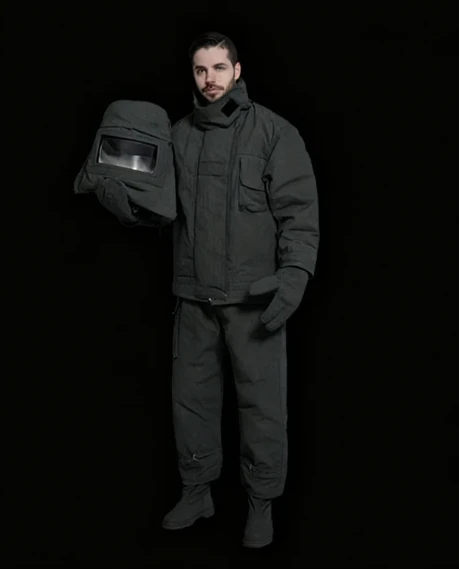
Aluminum foil hoods protect the head and neck from radiant heat and molten splash in high-temperature work — the reflective surface bounces heat away instead of absorbing it. This guide explains the applications and selection, with reference to Shield Wings’ aluminum foil hoods.
(Last modified date: October 4, 2026)
Quick definition: Aluminum foil hoods use a reflective surface that bounces radiant heat away from the head and neck, reducing the heat load on the most exposed parts of the body in high-temperature work.
Key Takeaways
- The main applications are furnace and smelter work, molten metal handling, foundry operations, and any task where workers face radiant heat or splash at close range.
- Look for the heat rating, the reflective surface quality, the fit with the rest of the ensemble, and the visibility and comfort in the working position.
- Inspect the reflective surface before each use for creasing, cracking, and wear, handle the hood carefully to avoid damaging the coating, and replace it when the reflection degrades.
- The hood is one component: the complete system includes the aluminized suit, heat-rated gloves, face protection, and boots, each rated for the task and documented together.
How Do Aluminum Foil Hoods Work?
Aluminum foil hoods use a reflective surface that bounces radiant heat away from the head and neck, reducing the heat load on the most exposed parts of the body in high-temperature work.
Radiant heat travels as infrared energy; a reflective surface returns much of it instead of absorbing it. The hood protects the scalp, neck, and ears, which face the furnace or molten metal directly and would otherwise absorb significant heat. The reflective layer works with the insulating material beneath it, and the hood is part of the heat protection ensemble. The reflective surface is the mechanism — and it is also the part that degrades first.
What Are the Main Applications?
The main applications are furnace and smelter work, molten metal handling, foundry operations, and any task where workers face radiant heat or splash at close range.
| Application | Exposure |
|---|---|
| Furnace operation | Radiant heat at close range |
| Molten metal pouring | Radiant heat plus splash risk |
| Foundry work | Heat and splash from multiple directions |
| Smelter and kiln | High ambient and radiant load |
Each application places the worker near a heat source where the head and neck face the highest load. The hood is worn with the rest of the heat ensemble — the aluminized suit, gloves, and face protection — because the head is only one part of the exposure. The application decides the hood’s rating and the full system around it.
What Should You Look For in an Aluminum Foil Hood?
Look for the heat rating, the reflective surface quality, the fit with the rest of the ensemble, and the visibility and comfort in the working position.
The heat rating must match the task’s exposure, and the reflective surface must be intact and even — a creased or worn surface reflects less heat. The hood must fit over or under the rest of the ensemble without gaps, and it must allow the worker to see and move. Consider breathability, because the hood adds heat load of its own. Trial the hood in the real environment, because the thermal comfort cannot be judged in an office.
How Do You Care for Aluminum Foil Hoods?
Inspect the reflective surface before each use for creasing, cracking, and wear, handle the hood carefully to avoid damaging the coating, and replace it when the reflection degrades.
The reflective coating is delicate: creasing, abrasion, and repeated cleaning reduce its ability to bounce heat. Inspect for dulling, cracking, and contamination, and replace the hood when the surface no longer performs. Store the hood away from sharp objects and moisture, and follow the manufacturer’s cleaning guidance. A hood with a worn reflective surface is a hood that has quietly stopped protecting.
How Do You Build the Complete Heat Protection System?
The hood is one component: the complete system includes the aluminized suit, heat-rated gloves, face protection, and boots, each rated for the task and documented together.
The head takes the highest radiant load, but the body takes the rest. Specify the ensemble as a system — hood, suit, gloves, face protection, and footwear — with ratings that match the task, and keep the documentation with the set. Trial the full system in the real environment, because fit and heat management only reveal themselves on the job. A complete, documented system is protection the worker can trust.
Match heat protective clothing to the heat source and the standard codes; confirm the garment, gloves, and hood against the job hazard assessment and the applicable standard.
The procurement for aluminum foil hoods should include the inspection and replacement cycle in the order: the reflective surface has a service life tied to exposure and cleaning, and the budget should cover replacement before the surface fails. Work with a manufacturer that documents the hood’s heat performance for the exact model and supplies the full heat ensemble, so the hood, suit, gloves, and face protection are specified and verified together. Keep the documentation with the set and review the spec when the heat source or the task changes. A hood whose reflective surface is intact, rated, and documented is a hood that is actually protecting.
Confirm the hood fits with the helmet and the rest of the heat ensemble, and inspect the reflective surface before every use, because a reflective surface cannot protect what it does not cover or has already lost.
The Heat-Protection System the Hood Sits In
A reflective hood is one layer of an ensemble, and it is chosen from the exposure rather than from the hood catalogue. Splitting the exposure into radiant heat, contact heat and molten splash makes the rest of the specification fall out of the table below.
| Layer | What it handles | Failure to watch for |
|---|---|---|
| Aluminised hood | Radiant heat reflected away from the head and neck | Creasing and abrasion dull the reflective surface long before the fabric tears |
| Heat-resistant suit | Radiant and contact heat on the torso and limbs | Worn as a single layer on a task that needs the double layer |
| Gloves | Contact heat and molten splash | Gauntlet too short, so splash runs into the cuff |
| Face protection | Radiant heat and splash in front of the face | Shield worn without the hood, leaving the neck open |
| Footwear | Molten metal on the ground | Laces and synthetic uppers that melt on contact |
Worked example: inspection routine and float stock
Illustrative assumptions for a foundry with 12 furnace operators. Inspection before each use covers the reflective surface for dullness and the seams for separation; the hood-to-helmet interface is checked weekly, and any hood that has taken a molten splash is withdrawn rather than reassessed. If hoods are replaced at roughly two per operator per year, the annual requirement is 24, and a 10% float brings the order to 27 — enough that a withdrawn hood is replaced the same shift instead of being worn again. Swap the replacement rate for your own consumption data; the point is that the float belongs in the budget, not in the incident report.
Where the hood cannot help
The reflective surface is sacrificial: it works until it is dulled, and nothing in the standard lets a worn hood stay in service because it still looks intact. Fit decides whether it is worn at all — a hood that fights the helmet gets pushed back, and the neck is exposed. And the selection itself stays with the employer: the hazard assessment and the choice of equipment that protects against the identified hazards are duties under 29 CFR 1910.132(d)(1), not something a supplier’s datasheet can discharge.
For the wider topic and related decisions, see our Heat, Molten Metal & Furnace Protection.
FAQs
How do we confirm hood fit and record the exposure?
Confirm the hood fits with the helmet and the rest of the heat ensemble, because a reflective surface cannot protect what it does not cover.
Does the reflective surface last forever?
No. It degrades with creasing, abrasion, and cleaning; inspect before each use and replace when reflection weakens.
Can the hood be used alone?
No. It is part of the heat protection ensemble and must be worn with the suit, gloves, and face protection.
How do I know the hood is rated for my task?
Confirm the heat rating for the exact model against your exposure, and match it to the rest of the ensemble.
How do we get aluminum foil hoods for our operation?
Tell us your heat source, and we will recommend the hood with documentation via our contact page or the aluminum foil hood page .
Can aluminium foil hoods be used on their own?
No. The hood covers the head and neck only, so it is worn as part of a heat-protection ensemble with the suit, gloves, face protection and footwear matched to the same exposure. Used alone it leaves the torso and hands unprotected on exactly the tasks where radiant heat is highest.
How do we know when to replace a reflective hood?
Replace it when the reflective surface is dulled, creased or abraded, when the seams separate, or immediately after a molten splash. The surface is the protection — a hood that still fits but no longer reflects has stopped doing its job, and inspection before each use is what catches that.
Related Articles
- How to Build a PPE Budget: Costs and Priorities
- FR Clothing Certifications: NFPA 2112 ASTM F1506 and EN ISO 11612
- Why Do Cut Injuries Happen and How Do Cut Resistant Gloves Help?
- High Temperature Gloves: Types Ratings and Selection
- Aluminum Foil Heat Protective Clothing: How It Works
- Thermal Protective Clothing for Steel Mills
Official Resources
- Aluminum Foil Hood
- Cold Weather Work Clothing Layering And Materials
- En Iso 11612 Heat And Flame Protection Clothing Standard
- Contact Shield Wings