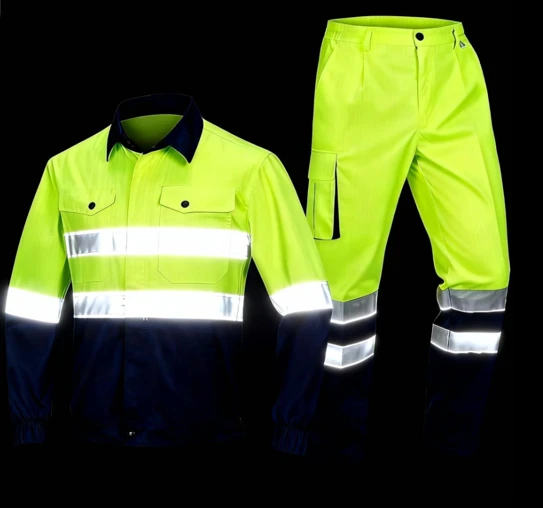
Anti-static clothing in electronics manufacturing protects sensitive components from static damage that workers cannot feel — and the garment is part of a grounded ESD system with straps, floors, and work surfaces. This guide explains the role and the selection, with reference to anti-static clothing electronics.
(Last modified date: October 4, 2026)
Quick definition: The worker’s ESD clothing drains charge from the body through a defined path — the garment connects to a wrist strap or grounding point, and the charge leaves through the floor — so the clothing is one element of a…
Key Takeaways
- Static discharges far too small to feel can damage or destroy electronic components, and the damage can appear days later as a field failure — which is why static control in electronics is a quality issue as well as a…
- ESD garments in electronics follow IEC 61340-5-1 for the overall system and its garment requirements, with the certificate stating the resistance range and the system compliance.
- Choose by the cleanroom or assembly zone, the garment style, and the system it connects to — ESD smocks for assembly, coveralls for cleanrooms, and grounding connections matched to the workstations.
- Maintain the system by testing the garments, straps, and connections on the schedule the ESD program requires, and by caring for the garments so the conductive path stays intact.
Why Does Static Damage Electronics?
Static discharges far too small to feel can damage or destroy electronic components, and the damage can appear days later as a field failure — which is why static control in electronics is a quality issue as well as a safety one.
Modern semiconductors are sensitive to discharges of a few volts, while a worker can build thousands of volts by walking and moving. The discharge may not be felt, but it can degrade or destroy the component. The failure often shows up later in the customer’s hands, where it is expensive and damaging to the brand. ESD control protects the product at every step, and the worker’s clothing is part of that control.
What Is the Worker’s Clothing Role in ESD Control?
The worker’s ESD clothing drains charge from the body through a defined path — the garment connects to a wrist strap or grounding point, and the charge leaves through the floor — so the clothing is one element of a complete grounding system.
The ESD smock or garment carries conductive fibers that spread charge, and the system completes the path to ground through wrist straps, cords, conductive floors, and footwear. A garment without the system does not finish the job, and a system without the garment leaves charge on the body. The worker’s clothing, the workstation, and the floor are specified together. The standard for the system is IEC 61340-5-1, and the garment’s part in it is documented.
What Standards Apply?
ESD garments in electronics follow IEC 61340-5-1 for the overall system and its garment requirements, with the certificate stating the resistance range and the system compliance.
| Element | Standard |
|---|---|
| ESD garment | IEC 61340-5-1 |
| Wrist straps and cords | IEC 61340-5-1 |
| Flooring and footwear | IEC 61340-5-1 |
| Work surfaces | IEC 61340-5-1 |
The garment’s resistance range must fit the system’s requirements, and the certificate confirms it for the exact model. When you specify, confirm the garment works with the straps, floors, and work surfaces in your facility, because the system is only as strong as its weakest connection. The label is a summary; the system documentation is the evidence.
How Do You Choose ESD Clothing for an Electronics Facility?
Choose by the cleanroom or assembly zone, the garment style, and the system it connects to — ESD smocks for assembly, coveralls for cleanrooms, and grounding connections matched to the workstations.
Map the zones and the tasks, then select the garment style and confirm its resistance range against the facility’s ESD program. Cleanrooms add particle-control requirements on top of ESD, so the fabric and construction must satisfy both. Verify the fit and the connections, and trial the garment with the workers, because a garment that is uncomfortable or that breaks the grounding path is a system failure. The specification ties the garment to the facility’s ESD plan.
How Do You Maintain the ESD System?
Maintain the system by testing the garments, straps, and connections on the schedule the ESD program requires, and by caring for the garments so the conductive path stays intact.
ESD programs include periodic testing of wrist straps, garments, and floors, with records kept per item. Care follows the garment’s label — no fabric softeners, approved detergents — and damaged garments are replaced. Assign the testing to a named owner and review the results on the program’s cycle. A system that is tested, documented, and maintained is a system that protects the product.
Static control depends on the full grounding system, including garments, flooring, footwear, and work practices, per the applicable standard.
What an ESD Programme Has to Prove, and Where the Garment Sits
Static control in electronics manufacturing is a system, and the garment is one element inside it. The table below lists the elements a facility is normally asked to evidence, and the record that proves each one is working.
| Element | Role in the system | Evidence to hold |
|---|---|---|
| ESD garment | Stops charge building on the operator | Garment-level report and resistance measurement for the exact model |
| Wrist strap or footwear | Drains the person to ground | Daily test record per operator |
| Flooring and work surfaces | Provide the path to ground | Periodic resistance measurement, logged |
| Packaging and totes | Protects devices in transit | Material specification for the container |
| Ionisers | Neutralise charge on insulating parts | Verification record on the facility’s cycle |
| Training and audit | Keeps the system in use after the audit ends | Findings from the internal audit programme |
Worked example: sizing the issue and the daily checks
Illustrative assumptions for a 60-person line running three shifts. Two garments per person gives 120 pieces, and a 10% float brings the first order to 132. Daily wrist-strap testing covers 60 operators per shift, which is 180 tests a day and roughly 3,900 a month per station set — so the test log, not the garment, is the item that has to be made easy to complete. Assuming a 2% monthly failure rate on straps, the store should carry about four replacements a month. Substitute your own failure rate; the structure is what matters, because a programme that cannot show the log is treated as a programme that did not run.
Where the garment stops protecting
A smock worn without the rest of the path protects nothing: the charge has to go somewhere, and if the operator is insulated from ground the garment only spreads it. Cleanroom work adds a second requirement on top of ESD — the garment has to satisfy both, which is why a cleanroom garment is specified for the room as well as for the static target. And the whole chain depends on condition: a worn strap, a coated floor treated with the wrong cleaner, or a garment laundered outside the programme will all read as a failure somewhere in the audit.
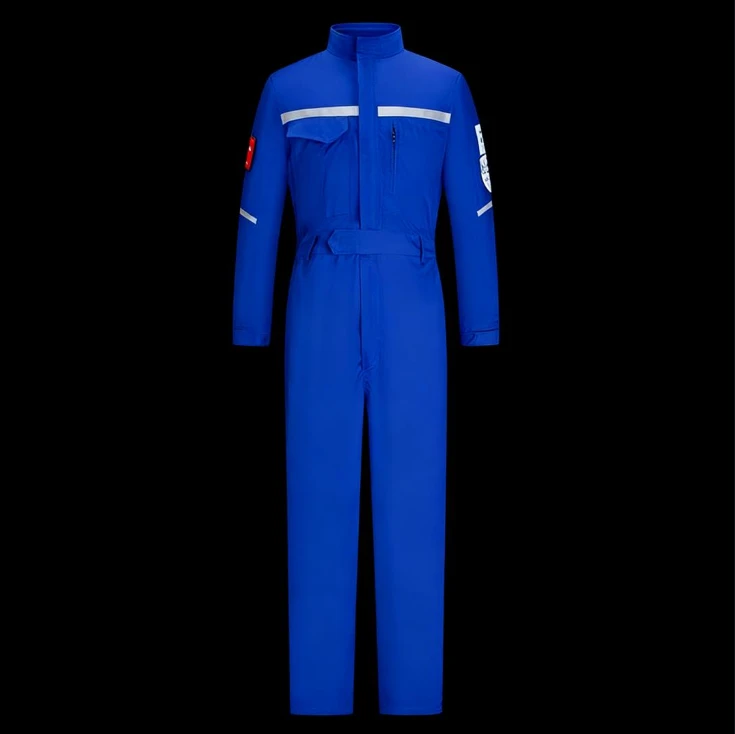
For the wider topic and related decisions, see our Hi-Vis, Anti-Static & Cold Weather Workwear.
FAQs
Can a smock alone protect components?
No. The garment works with wrist straps, grounding cords, flooring, and footwear as one system.
Do cleanrooms and ESD zones need the same garments?
Not always. Cleanrooms add particle-control requirements on top of ESD, so the garment must satisfy both.
How often is the ESD system tested?
Follow the IEC 61340-5-1 program and the facility’s schedule; straps and garments are typically tested on a defined cycle.
How do we get ESD clothing specified for our facility?
Send us your zones and ESD program, and we will recommend garments with documentation via our contact page , or ask Shield Wings’ factory team on the anti-static clothing electronics.
What is ESD clothing?
It is workwear that controls static charge on the wearer instead of letting it build up, so that a discharge cannot damage sensitive components. In practice it is specified as one element of a programme alongside wrist straps or footwear, flooring, work surfaces and packaging — the garment alone does not make the workstation safe.
What standard covers ESD garments?
Facilities commonly work to IEC 61340-5-1, which sets the programme requirements for the garment along with the other elements of the control system. What to ask a supplier for is the garment-level evidence for the exact model: the report and the resistance measurement, not a general statement that the fabric is anti-static.
Related Articles
- How to Choose Work Boots for Construction Sites
- Cold Weather Work Clothing: Layering and Materials
- Flame Resistant Coveralls: The Buyer’s Guide
- ESD vs Anti-Static Clothing: What’s the Difference
- Anti-Static Workwear: The Complete Guide
- Anti-Static Workwear for the Petrochemical Industry