

Almost every safety footwear discussion eventually reaches the same question, and it is usually framed as a contest: which toe cap material is best. That framing misses the point, because all three materials are capable of meeting the same protective requirement, and the choice between them is decided by weight, thermal and electrical behaviour, fit, and how the boot will be used rather than by strength alone.
What Each Option Is Designed For
A steel toe cap is the traditional answer to impact and compression at the front of the foot. It is the material most buyers picture when they think of a safety shoe, it is well understood by suppliers and inspectors, and it suits the large majority of industrial tasks where a metal toe area carries no penalty. It is also the option that most readily combines with other metal components in the boot, such as a penetration resistant plate or a shank.
An aluminium toe cap exists because weight matters. By using a lighter metal, the designer can produce a boot that meets the same protective requirement while carrying less mass at the front of the foot, which is felt over a long shift and especially on stairs or ladders. It is aimed at the buyer who has already decided that a metal cap is acceptable and now wants the boots to be easier to wear.
A composite toe cap is designed for situations where a metal toe area is a disadvantage. Composite caps are made from non-metallic materials, so they do not present the metal mass that detection equipment looks for and they do not conduct heat and cold the way metal does. That makes them relevant where workers pass through metal detection, where the boot is worn in cold or hot conditions, and where non-conductive footwear is part of the specification.
It is worth being clear about what the cap does and does not do. A toe cap protects the front of the foot against impact and compression from above and in front, and that is its whole scope. It does not protect the sole, the metatarsals above the cap, the ankle or the leg, and it does not replace the assessment. Where the hazard is a heavy object falling across the top of the foot rather than onto the toes, the answer is metatarsal protection, which is a separate feature discussed with the supplier rather than a property of the cap material.
How They Differ in Construction
All three options are caps, formed into a shape that spreads an impact across the top of the toes, and all three are built into the boot during manufacture rather than added afterwards. The difference lies in how each material achieves the required performance, and what that does to the rest of the boot.
Steel reaches the required performance with the thinnest section of the three, which allows a slimmer toe box and a shape closer to an ordinary shoe. Aluminium works in a similar way and saves weight, though it still needs a protective treatment to guard against corrosion where the cap or its coating can be damaged. Composite materials reach the same performance with more volume, so a composite toe box is generally thicker than a steel one, which changes the silhouette of the boot and can change how the toe area feels.
The construction around the cap also differs. A metal cap forms part of an electrical path unless the boot is designed otherwise, while a composite cap does not, which is why composite footwear is common in specifications that require non-conductive properties. Thermal behaviour follows the same pattern: metal conducts heat and cold, so a steel or aluminium toe box feels cold in a cold store and hot in a hot area in a way that a composite toe box does not.
Performance Differences That Matter on Site
| Consideration | Steel | Aluminium | Composite |
|---|---|---|---|
| Protective performance required | Set by the applicable footwear standard | Same requirement | Same requirement |
| Weight at the toe | Heaviest of the three | Lighter than steel | Lightest in most constructions |
| Toe box volume | Compact | Compact | Generally bulkier |
| Thermal behaviour | Conducts heat and cold | Conducts heat and cold | Does not conduct in the same way |
| Electrical behaviour | Metallic cap | Metallic cap | Non-metallic cap |
| Metal detection | Detected | Detected | Not detected through the cap |
| Corrosion sensitivity | Coating dependent | Coating dependent | Not a metal corrosion issue |
Read across the table, the first row is the one that matters most: the protective requirement is the same, and the material is not what the standard tests. Everything below that row is a consequence of how the material reaches the requirement, and every one of those consequences is a site decision rather than a safety one.
Two of those consequences are worth weighing carefully because they are easy to overstate. The first is weight. The difference between a steel and a composite cap is real, but it is only one part of the boot, and a heavy sole assembly can outweigh any saving at the toe. Buyers who report a dramatic improvement after changing material are often comparing a heavier model with a lighter one rather than the two caps alone. The second is thermal comfort. A metal toe box feels cold in a cold store and hot in a hot area, and for workers who spend the shift in those conditions that sensation is a meaningful part of how the boot is experienced, even though it says nothing about protection.
Where the decisions do create a genuine safety difference is in the interaction with the rest of the ensemble. A non-conductive toe area is only part of a non-conductive boot, and it does not make a boot suitable for electrical work on its own. A cap that is not detected by a metal detector does not make the boot non-metallic, because the shank, the eyelets and the midsole may still contain metal. The cap should be selected as one element of a specification that is correct as a whole.
Cost and Service Life Compared
On purchase price, steel is usually the least expensive of the three and composite the most, with aluminium between them, although the gap narrows once the rest of the boot is comparable, because the cap is only one component among many. The more useful comparison is cost over the life of the boot, and that number is driven by things the cap does not control.
What the material does affect is the failure mode. A steel or aluminium cap relies on its coating and on the boot’s construction to stay protected from corrosion, so a boot used in wet or chemically contaminated conditions may reach the end of its life through the cap area rather than through the sole. A composite cap has no metal to corrode, but it can be damaged by an impact in a way that is not visible from the outside, which is why a boot that has taken a heavy blow should be withdrawn rather than returned to use. In all three cases the upper and sole usually set the service life.
Where the Choice Is Genuinely Commercial
Once the required protection is the same across the options, several decisions really are commercial. The first is standardisation: a site that already holds stock, size sets and inspection routines around one material may find that adding a second material increases complexity more than it improves the outcome. The second is weight and fatigue: where the working pattern involves long distances or climbing, the lighter options have a measurable effect on how the boot is worn, and a boot that is worn properly protects better than one that is not.
The third is the environment the boot enters. Metal detection at entry, cold stores, hot areas and any requirement for non-conductive footwear all narrow the field before price is considered. The fourth is fit, which is not a commercial factor in the abstract but becomes one in practice, because a workforce that finds a particular toe box uncomfortable will not use it.
How to Trial the Decision Before Committing
The trial is where most of the value in this comparison is realised, and it does not need to be elaborate. Select one compliant model in each material, issue them to workers doing the same task, and run the comparison over enough shifts for fatigue and comfort to show themselves. Record what the workers report and what the boots show.
- Issue the boots in the correct size and let the workers wear them for full shifts, not a few minutes in a store room.
- Cover the actual working pattern, including stairs, ladders, kneeling and any long walks across site.
- Check the toe area at the end of the trial for deformation, damaged coating and cold or hot discomfort.
- Ask directly about weight, toe box room and how the boot feels in the last hours of a shift.
- Confirm that the documentation for each trial model matches the specification before the result is used.
- Record the withdrawal reason when a trial boot is retired, so the next order benefits from it.
The result is usually a decision that one material suits the majority of the workforce and that a second is worth holding for specific areas or specific workers, which is a more useful outcome than a single verdict on which material is best.
Which Buyer Profile Each Option Suits
Steel suits the buyer who wants a proven, widely available boot at the lowest cost, in a site where metal in the toe area is not a problem and weight is not the dominant complaint. Aluminium suits the same buyer who has found that weight is the issue, particularly in construction, utilities and any role that involves climbing or long distances. Composite suits the buyer whose site screens for metal, works in cold or hot conditions, requires non-conductive footwear, or simply has a workforce that prefers a boot without a cold metal toe box.
Electrical work is the case where the distinction is most often decisive, and the wider requirements for that application, including the boot as a whole rather than the cap alone, are set out on the high voltage dielectric boots page. How the two main footwear standards express toe protection, and how they differ, is covered in Shield Wings’ guide to ASTM and EN ISO 20345 footwear standards, and the material question itself is examined from the buying side in the article on steel toe versus composite toe boots.
Shield Wings manufactures foot protection at a Guangdong production base and works with employers and distributors on toe cap selection, size ranges and the documentation each model carries. The ranges discussed here are listed in the foot protection category and on the safety shoes and boots page.
Frequently Asked Questions
Is a composite toe as strong as a steel toe?
The applicable footwear standard sets the impact and compression performance a toe cap has to achieve, and a cap has to meet that performance to be marked at all, whichever material it is made from. The practical difference is not the performance requirement but how each material reaches it: a composite cap usually needs more volume to do so, which is why composite styles tend to look bulkier than steel ones at the same protection.
Why choose aluminium over steel?
Weight is the usual reason. An aluminium cap is lighter than a steel cap of comparable performance, so a boot with an aluminium toe cap feels lighter on the foot over long shifts, particularly for workers who walk a lot or climb. The trade-offs are thermal and electrical rather than structural, since both are metals, and neither is the right choice where an insulating toe area is required.
Do composite toe caps set off metal detectors?
A composite cap is non-metallic, so it does not present the metal mass a detector screens for, which is one reason composite footwear is used in sites with metal detection at entry and exit, and in some electrical work. The boot as a whole still has to be checked, because eyelets, shanks, fasteners and the penetration resistant plate may be metal even when the toe cap is not.
Which toe cap material lasts longest?
Service life is usually decided by the upper, the sole and the way the boot is used rather than by the cap. What does differ is what each material tolerates: steel can corrode if its coating is breached, composites can be affected by impact damage that is not visible, and aluminium conducts heat and cold more readily. Inspection should cover the toe area whatever the material, since a cap that has taken a heavy impact may not be reusable.
Does the toe cap material change the fit?
It can. Because materials reach the same performance with different volumes, the internal shape of the toe box differs between a steel, an aluminium and a composite model, and so does the way the boot feels across the toes. That is why the trial should be run in the size the worker will wear, and why a worker who finds one material uncomfortable may be perfectly comfortable in another.
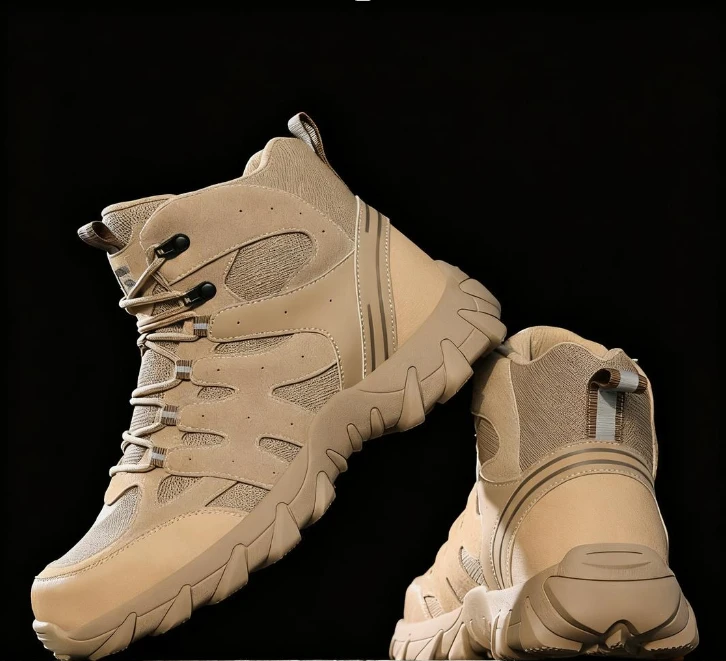
Choosing a toe cap material across a workforce?
Send the task, the environment and the sizes involved. Shield Wings confirms which toe cap options are available, how each model is documented and the size coverage for the trial.
External references: 29 CFR 1910.136 foot protection, CCOHS guidance on safety footwear, UK HSE personal protective equipment guidance, CEN-CENELEC standards portal, Regulation (EU) 2016/425, 29 CFR 1910.132.