

Outdoor workers spend more time in daylight than most people think, and much of it in conditions that intensify what reaches the eyes: reflective water, snow, sheet metal, glass and pale concrete all send light upwards as well as sideways. At the same time, the site requires impact protection, and the two requirements are often treated as alternatives when they should be combined in a single specification.
The Hazard First, the Product Second
It is worth separating the exposures that occur during work from those that occur around it. Travel to and from a site, waiting for materials and working in an open yard all place a worker in daylight without the protection that the task itself would prompt, and those periods add up over a year. The assessment should describe the outdoor working day rather than only the task that made the site consider eye protection in the first place.
Two distinct issues are usually described as one. The first is ultraviolet radiation, which reaches the eyes directly from the sun and indirectly from reflections, and whose effect accumulates over years rather than appearing after a single event. The second is glare: bright light that reduces contrast, hides edges and surfaces, and makes the work harder to perform accurately. Both are managed by eyewear, but they are different properties, and a lens that addresses one does not automatically address the other.
The site adds a third requirement that leisure eyewear cannot satisfy. Outdoor tasks involve dust, chipping, cutting, grinding and moving machinery, which create an impact hazard, and the eyewear has to be made and marked for occupational protection before it can be considered at all. That is why the specification starts with protective eyewear and adds the UV and glare requirement, rather than starting with sunglasses and hoping they will survive.
What the Risk Assessment Has to Establish
The working position matters for the same reason it does in other categories: someone who works facing a reflective surface receives reflected light directly, while someone working with their back to it may not. Describing the position rather than the location is what allows the requirement to be stated precisely, and it is also what identifies the tasks where scheduling or shielding would reduce the exposure before eyewear is considered.
Occupational eye and face protection requirements sit in 29 CFR 1910.133 in the United States, with construction requirements in 29 CFR 1926 Subpart E, and European sites work through the PPE Regulation and the applicable eye and face protection standards. The assessment for outdoor work should record:
- The task and how long it is performed outdoors, including the time of day and the season.
- Reflective surfaces nearby: water, snow, glass, sheet metal, painted structures and light-coloured ground.
- The impact hazard from the task, including particles, dust and larger fragments.
- Whether glare affects the ability to see edges, surfaces or moving equipment.
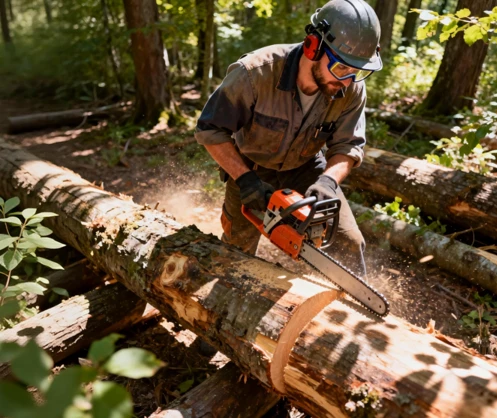
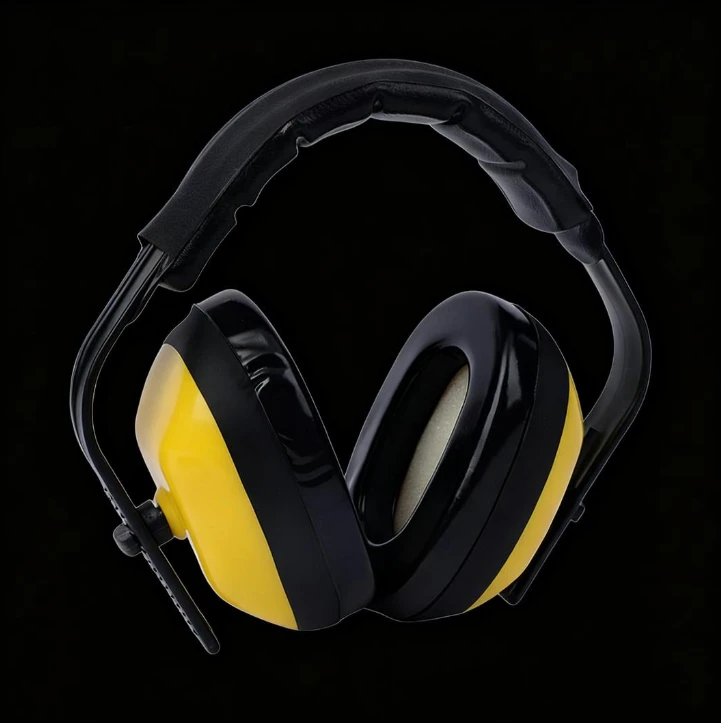
- The other equipment worn: helmet, hearing protection, respirator or face shield.
- Whether any worker needs prescription lenses, since over-spectacle designs change the fit.
- The light conditions the worker moves between, since eyewear suited to bright daylight may be unsuitable indoors.
The last item is the one most often left out, and it is the one that decides whether the eyewear is worn continuously. A worker who spends the morning outdoors and the afternoon in a workshop will take tinted eyewear off indoors, and it may not go back on.
Which Hazards This Category Covers and Which It Does Not
It is also worth keeping this requirement separate from the optical radiation produced by processes. A welding filter, a laser filter and a lens intended to reduce daylight are specified against different sources and on different bases, and a site that treats them as interchangeable will end up with eyewear that answers neither requirement properly.
This family covers protective eyewear with UV filtering and, where required, a tint or filter that reduces glare. It sits within the eye and ear protection range alongside the welding filters and face protection used for optical radiation from processes rather than from the sun.
What it does not cover is equally important. Leisure sunglasses are not protective equipment, whatever their filter claim, because they are not made or marked for impact performance. Eyewear does not protect the skin, which is a hat, clothing and sun protection question. And it does not replace the controls that reduce exposure: shade, scheduling work away from the brightest part of the day, and shelter all reduce what the eyewear has to manage. The selection logic behind the eyewear itself is covered in Shield Wings’ guide to choosing safety glasses, which owns that topic.
Matching Task to Protection Level
Where the workforce includes both indoor and outdoor roles, the specification is most useful when it names which roles fall under which requirement, rather than issuing one product to everyone.
Where the site operates in a range of climates or seasons, the requirement is best written for the conditions rather than for the calendar: a bright winter day with snow on the ground presents more reflected light than a mild summer morning, and the specification should follow the conditions on the day.
| Task or condition | What dominates | Eyewear that follows | What to verify |
|---|---|---|---|
| General outdoor site work in daylight | Impact protection plus cumulative daylight exposure | Protective eyewear with UV filtering, in a tint suited to the light | The marking stating both properties |
| Work over water, snow or bright concrete | Reflected light from below and from the sides | Eyewear with side coverage and a suitable tint | Coverage and fit while looking down |
| Cutting, chipping or grinding outdoors | Impact and particles, plus glare | Protective eyewear underneath a face shield, both suitable for outdoor light | The combination staying in place and not fogging |
| Work in and out of buildings | Changing light levels | Eyewear that can be worn in both conditions, or a clear pair for indoor work | Whether the tinted pair is worn at all indoors |
| Work at height in the open | Glare, wind, dust and reflected light | Protective eyewear that stays in place with helmet and hearing protection | Fit with the head protection assembly |
| Low sun at the start or end of a shift | Direct glare at eye level | Eyewear with a tint suited to the condition, plus scheduling or shielding where possible | Whether the worker can see the task and the traffic |
Read across the table, the requirement is a combination rather than a choice: protective eyewear first, with UV filtering and a tint that suits the light the worker actually faces.
Where Selection Usually Goes Wrong
One failure is administrative rather than technical: the site buys one tinted product for the whole outdoor workforce and issues it regardless of task. A crew that moves between a bright yard and an inspection inside a vessel needs either two pairs or a specification that works in both conditions, and the practical result of getting that wrong is that the eyewear ends up hanging from a pocket indoors.
- Leisure sunglasses on site. No impact specification, no marking and no evidence for the site’s file.
- Tint chosen by comfort alone. A lens that is too dark for the indoor part of the shift is a lens that comes off.
- UV filtering assumed from tint. The two properties are separate, and the marking is what states what the lens does.
- Side and reflected light ignored. Light arrives from below and from the sides in reflective environments, and an open design leaves a path.
- Cloudy and winter conditions forgotten. Exposure accumulates across the year rather than on the brightest days.
- Prescription needs overlooked. Stacking frames under protective eyewear changes fit and reduces coverage.
- Coating care neglected. Cleaning with the wrong cloth or chemical damages the coating that reduces glare and scratches, and the eyewear stops being worn.
The Hierarchy of Controls Around the Selection
The controls that come before eyewear are practical and often overlooked on outdoor sites. Shade and shelter, scheduling the brightest and most reflective tasks away from the middle of the day, rotating work so that long periods of exposure are shared, providing rest areas with shade, and siting work to reduce reflected light from water or bright surfaces all reduce what reaches the eyes.
Personal protective equipment is the last line of defence, and it works best when it is comfortable enough to keep on. The maintenance of that protection matters as much as its selection: a lens that is scratched or a coating that has been damaged by unsuitable cleaning reduces the worker’s ability to see the task, and the response is usually to remove the eyewear rather than to replace the lens.
Specification Points to Fix Before Ordering
Two further items are worth adding to the specification for outdoor work. The first is a storage arrangement, since eyewear kept loose in a vehicle or a toolbox arrives scratched. The second is a supply of replacements at the point of use, because a scratched lens in a bright environment is a lens that eventually stops being worn.
- The task and its duration outdoors, and the reflective surfaces present.
- The impact requirement and the standard the eyewear must be tested to.
- The UV filtering and tint required, with the marking expected on the product.
- Side coverage requirements where reflected light matters.
- Compatibility with helmets, hearing protection and respiratory equipment.
- Prescription arrangements, including over-spectacle or insert options.
- Fit and retention, checked in the working position and with the head protection worn.
- Cleaning and replacement rules for lenses and coatings, with consumables available.
Shield Wings manufactures eye and ear protection at a Guangdong production base, including safety glasses in a range of lens options, and supplies industrial customers and distributors with product information and documentation. The eyewear is listed on the safety glasses page, and the wider range is set out in the eye and ear protection category.
The specification that works outdoors is the one where protective eyewear carries the UV and tint properties the task requires, and where the worker keeps it on because it is comfortable in both the bright and the sheltered parts of the shift.
For the wider topic and related decisions, see our Head, Face & Eye Protection.
Frequently Asked Questions
Do outdoor workers need UV eye protection?
Where the work involves prolonged exposure to daylight or to surfaces that reflect it, eyewear with UV filtering is normally specified alongside the site’s impact protection requirement. The two properties are separate: tinted lenses reduce visible light, while UV filtering describes the part of the spectrum the lens is designed to attenuate, and both should be stated and marked on the product.
Are ordinary sunglasses acceptable on site?
Not as protective equipment. Leisure sunglasses are not made or marked for occupational eye protection, so they do not provide the impact performance the site requires, and their frames are not designed to stay in place during work. Where tinted eyewear is needed for glare, it should be protective eyewear with a marked filter or tint.
Does UV exposure matter on cloudy days?
It does. Cloud cover reduces visible brightness without removing the ultraviolet component entirely, and reflected light from water, snow, glass and light-coloured surfaces reaches the eyes from below and from the sides. Exposure also accumulates over a working lifetime, which is why the requirement is a specification rather than a decision taken on sunny days.
How does glare affect the task rather than only comfort?
Glare reduces contrast and makes it harder to see edges, surfaces and moving equipment, so it affects both the quality of the work and the worker’s awareness of the area. That is why glare control belongs in the assessment alongside the UV question, and why eyewear that is comfortable enough to keep on all day is part of the answer.
What should be specified for outdoor tasks?
The impact and UV properties required, the tint or filter suited to the light conditions, side coverage where reflected light matters, compatibility with helmets, hearing protection and respiratory equipment, prescription provision where needed, and cleaning and replacement rules for lenses and coatings. The marking on the product should state which properties it carries.
Specifying eyewear for outdoor work?
Send the tasks, the reflective surfaces and the other equipment worn. Shield Wings confirms the lens options available, the marking each product carries and the documentation for the specification.
External references: 29 CFR 1910.133 eye and face protection, 29 CFR 1926 Subpart E personal protective equipment in construction, CCOHS PPE answers, UK HSE personal protective equipment guidance, CEN-CENELEC standards portal, Regulation (EU) 2016/425.