

Arc-rated clothing does nothing to stop electric shock, and rubber insulating gloves do nothing to stop an arc flash. Electrical work exposes a worker to two hazards that injure in completely different ways, and the equipment that answers one of them is almost useless against the other. Building PPE for electrical workers means specifying two separate protection systems, then proving that both are intact on the day they are needed.
(Last modified date: October 2, 2026)
Key Takeaways
- Shock protection is about insulation — rubber gloves, sleeves, blankets, and rated tools. Arc flash protection is about thermal barriers — arc-rated clothing and face protection.
- A worker can be fully protected against shock and still be burned by an arc flash, and the reverse. Neither system substitutes for the other.
- Under NFPA 70E, incident energy sets the arc-rated clothing category while the task itself determines the rubber goods and tools.
- Rubber insulating goods are classified by maximum use voltage and must be inspected before every use, retested on a cycle, and stored away from light, heat, and ozone.
- Engineering controls come first: de-energising, lockout/tagout, and safe working distance outrank any item of PPE.
Shock and Arc Flash Are Two Separate Problems
Shock protection prevents current from finding a path through the body; arc flash protection contains the heat and pressure of a fault before it reaches the skin. They are different physics, different standards, and different inspection routines.
A worker standing on a live panel in ordinary clothing is exposed to both at once. Rubber insulating equipment interrupts the conductive path — that is the shock side. Arc-rated garments resist the thermal energy released when the fault clears — that is the arc side. In practice the two systems are worn together, which is why a lineman may be wearing rubber gloves over leather protectors while dressed in arc-rated clothing. The stack is not redundant; it is two different jobs being done by two different sets of materials.
| Shock protection | Arc flash protection | |
|---|---|---|
| What it stops | Current flowing through the body | Thermal energy and blast pressure |
| Core equipment | Rubber insulating gloves, sleeves, blankets; rated tools | Arc-rated clothing, hoods, face shields |
| How it is classified | By maximum use voltage (class) | By arc rating in cal/cm² |
| Verified against | Periodic dielectric retest plus pre-use air test | Arc rating tested to standards such as ASTM F1506 or IEC 61482 |
| Common failure | A single pinhole defeats the glove | Rating below the task’s incident energy |
What NFPA 70E Actually Requires You to Decide
NFPA 70E is a work-practice standard, not a shopping list: it tells you when protection is required, and the hazard analysis tells you how much. The incident energy assigned to a task sets the arc-rated clothing category, and the task itself determines which rubber goods and insulated tools apply.
The category is a floor, not a ceiling, and it applies to the whole system — clothing, hood, face shield, and gloves together — not to a single garment. Arc ratings are verified against standards such as ASTM F1506 or IEC 61482, so the paperwork has to line up with the label on the garment. For how each category maps to clothing, see the arc flash protection guide; for reading ratings off a label, see how to read PPE labels and ratings.
One caution that catches crews out: PPE category tables and incident-energy labels are not interchangeable decision tools. Where a site has performed an arc flash hazard analysis, the label for the specific task governs — not a table printed from a generic guide.
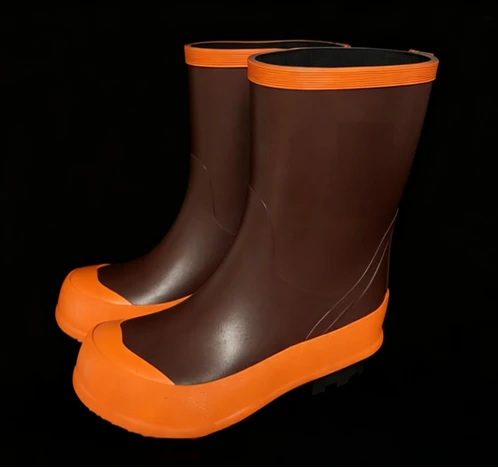
Dielectric footwear adds a secondary insulation layer on top of rubber insulating goods.
Rubber Insulating Goods: Class, Testing, and Storage
Rubber insulating gloves, sleeves, and blankets are classified by maximum use voltage, inspected before every use, retested on a cycle, and stored away from light, heat, and ozone.
Gloves carry the greatest load. Choose the class that covers the system voltage with margin, wear leather protectors over them to guard against mechanical damage, and perform the air test before every use — a pinhole is enough to take a glove out of service. Sleeves protect the arms, and blankets cover adjacent energised parts while work proceeds nearby.
Every item carries a test date and returns for retesting on the schedule set by the manufacturer and the employer. Storage matters as much as testing: rubber degrades under sunlight and near ozone sources such as motors, so goods are stored flat, dark, and cool. A cracked surface or a failed inspection withdraws the item immediately, regardless of how recently it was tested.
The Lineman’s Full Stack, Layer by Layer
A working lineman’s system combines voltage-rated rubber gloves and sleeves, arc-rated clothing matched to the task, a helmet with face protection, dielectric-rated footwear, and fall protection — each item selected and documented for that job.
Work on or near energised equipment layers every system at once. Rubber goods answer shock. Arc-rated garments answer fault energy. A Type II helmet with face shield covers impact and arc together — and only if it carries both certifications, since a helmet that meets the impact standard may not meet the arc test. Dielectric boots act as a secondary insulation layer, and a harness covers the height exposure that comes with the work.
Each item in the stack has its own certificate, inspection schedule, and storage rule, and the combination is documented per task. This is the reason electrical PPE is a system decision rather than a catalogue order: the weakest item in the stack defines the protection the worker actually has.
Verifying PPE Is Still Safe to Use
Verification is a schedule, not an event. Rubber goods are inspected before every use and retested on a cycle; arc-rated clothing is checked for damage and correct labelling; anything involved in an incident is removed from service.
Build the check into the routine rather than bolting it on. The pre-job check covers the glove air test, sleeves, blankets, helmet condition, clothing labels, and the incident-energy label for the task at hand. Keep test certificates and inspection records per item, and retire anything that fails or that has been exposed to an electrical incident — even when it still looks serviceable.
Training is part of the equipment. A check that gets skipped under schedule pressure is not a check, so crews need the routine rehearsed until it survives a busy day. Where the programme is audited, the audit compares the gear on the worker against the task matrix, verifies that certificates are current, and confirms the testing records are complete.
What the Electrical PPE Programme Has to Contain
The programme covers the hazard analysis, the task-to-equipment matrix, rubber goods testing schedules, arc-rated clothing selection, training, and audits that confirm the field matches the paperwork.
Start with the hazard analysis that assigns incident energy to each task. From it, build the matrix naming the required equipment per task — rubber goods class, clothing category, and tools. Procurement then standardises tested, documented products; training covers wear, care, and the limits of each item; and audits close the loop. Review the programme after incidents, after system changes, and on a fixed cycle, because electrical systems change and the equipment has to change with them.
For teams buying across multiple sites, this matrix is also the specification you hand to a supplier. Our team can work from it directly — see the PPE procurement guide, our arc flash protection range, and the high voltage dielectric boots, or send the hazard analysis through the contact page.
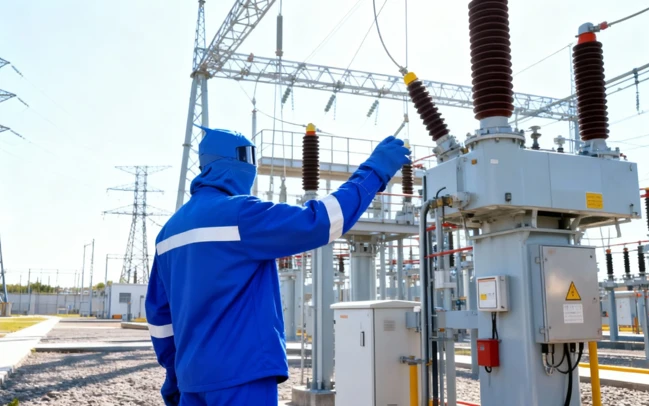
Arc-rated clothing sits on top of the insulating layer — both are required, neither replaces the other.
For the wider topic and related decisions, see our Arc Flash & Electrical Safety PPE.
FAQs
Do rubber gloves expire?
They are retested on a cycle and visually inspected before every use; a glove that fails inspection or testing is removed from service regardless of its age.
Is arc-rated clothing enough for electrical work?
No. Arc-rated clothing addresses arc flash only; shock protection requires rubber insulating goods, insulated tools, and safe work practices.
Can the same helmet be used for impact and arc protection?
Only if it carries both certifications. A helmet that meets the impact standard may not meet the arc test.
How do we get electrical PPE specified for our crews?
Share your hazard analysis and task matrix, and request documentation via our contact page or the dielectric boots page.
Related Articles
- Arc Flash Protection: The Complete Guide for Electrical Workers
- NFPA 70E vs OSHA 1910.269: What Electrical Workers Need
- Understanding Arc Flash Hazards in Industrial Environments
- ESD vs Anti-Static Clothing: What’s the Difference
- PPE for Oil and Gas Workers: The Complete Guide
Official Resources
- Arc Flash Protection
- High Voltage Dielectric Boots
- PPE Procurement Guide: How to Buy Safety Equipment for Your Team
- How to Read PPE Labels and Ratings
- Contact Shield Wings
References
- NFPA 70E — Standard for Electrical Safety in the Workplace. National Fire Protection Association.
- IEC 61482 — live working, protective clothing against the thermal hazards of an electric arc. International Electrotechnical Commission.
- ASTM F1506 — standard performance specification for flame resistant and arc rated textile materials for wearing apparel. ASTM International.
- OSHA 1910.269 — electric power generation, transmission, and distribution (referenced via the site’s NFPA 70E comparison).