Firefighters and emergency responders need PPE that covers the full range of incidents — structural fire, wildland, rescue, and hazmat — with each operation using certified equipment matched to its hazards. This guide maps the gear, with reference to PPE firefighters.
(Last modified date: October 3, 2026)
Quick definition: Structural firefighters need the certified ensemble — helmet, hood, coat, trousers, gloves, and boots — tested to the structural firefighting standard and maintained as a system.
Key Takeaways
- Wildland firefighting uses lighter certified gear built for mobility, and technical rescue uses specialized equipment — each operation has its own standard and its own fit.
- Choose by the department’s operational profile, the applicable standards, and the crew’s fit — then validate the gear through realistic drills and maintain it on the lifecycle plan.
- Maintain the gear with the ensemble program: clean after exposures, inspect after every incident, track age and history, and replace on the lifecycle plan.
- Manage the inventory as a lifecycle system: one ensemble per member, spare components for the sizes that wear fastest, and a replacement plan aligned with the budget.
What PPE Do Structural Firefighters Need?
Structural firefighters need the certified ensemble — helmet, hood, coat, trousers, gloves, and boots — tested to the structural firefighting standard and maintained as a system.
| Component | What it protects |
|---|---|
| Helmet | Head impact, heat |
| Hood | Neck and face thermal protection |
| Coat and trousers | Torso and limbs |
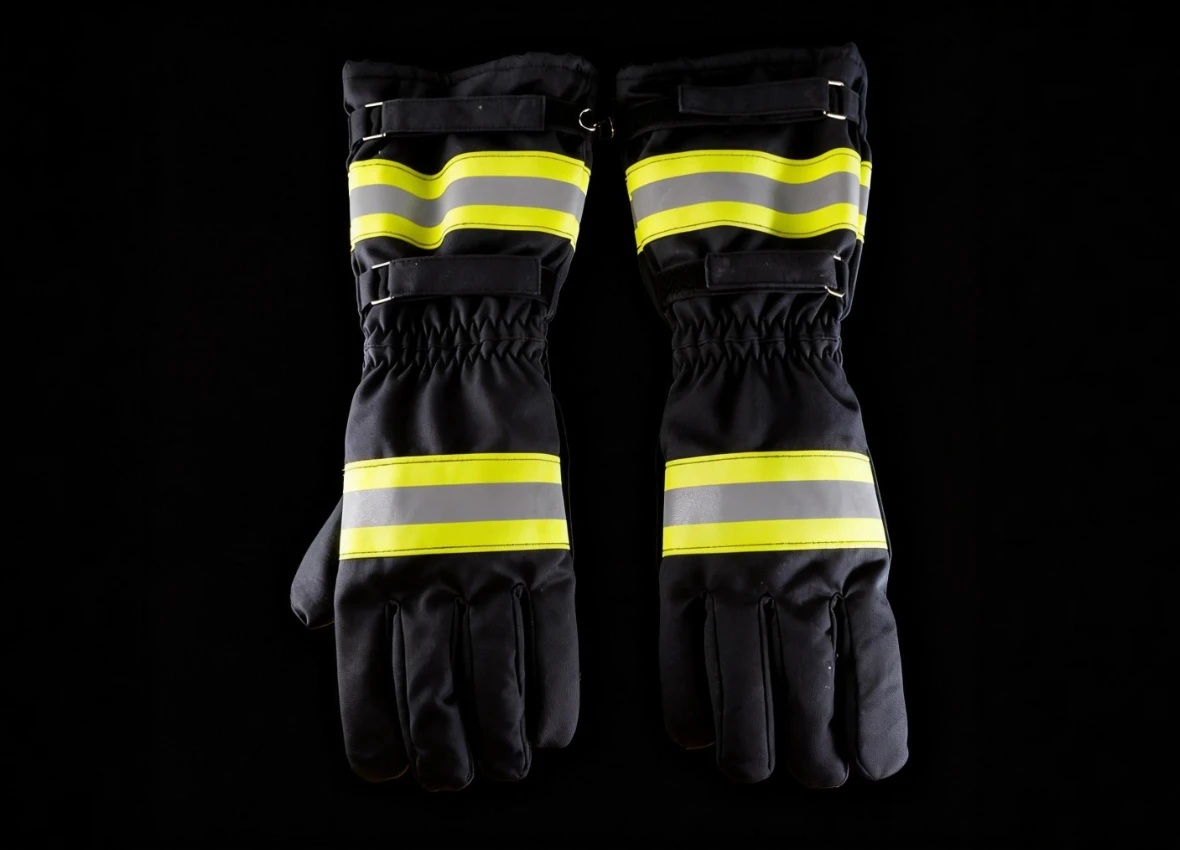
| Gloves | Hands |
| Boots | Feet |
The ensemble is certified as a system, so the components come from the same generation and are maintained together. The SCBA completes the breathing protection. Structural firefighting PPE is selected to the department’s standard, fitted to the crew, and maintained on the lifecycle plan.
What About Wildland and Rescue Operations?
Wildland firefighting uses lighter certified gear built for mobility, and technical rescue uses specialized equipment — each operation has its own standard and its own fit.
Wildland gear is lighter and more breathable because the work is mobile and long-duration; rescue gear adds features for the rescue environment; hazmat operations add chemical protection. One ensemble does not cover every mission, so departments maintain certified systems per operation. The standard follows the operation, and the gear is fitted and maintained for it.
How Do You Choose Firefighting PPE for a Department?
Choose by the department’s operational profile, the applicable standards, and the crew’s fit — then validate the gear through realistic drills and maintain it on the lifecycle plan.
Start with the operations the department actually runs, then the standards for each. Fit the gear to the crew, because heat stress and mobility decide whether it is worn. Run the fit through drills, not stand-up fittings, and collect the crew’s feedback. The gear that fits and works in the drill is the gear that works in the incident.
How Do You Maintain Firefighting PPE?
Maintain the gear with the ensemble program: clean after exposures, inspect after every incident, track age and history, and replace on the lifecycle plan.
Cleaning is part of the protection — contamination degrades the materials and poses health risks. Inspect the ensemble after every fire, check the components for damage, and track each set’s age and exposures. Replace gear on the department’s plan and after any incident. A department that maintains its gear keeps it within its certification and ready for the next call.
How Do You Manage the Department’s Inventory?
Manage the inventory as a lifecycle system: one ensemble per member, spare components for the sizes that wear fastest, and a replacement plan aligned with the budget.
Assign ensembles per member for fit and hygiene, keep spares for the pieces that wear first, and review the inventory against the lifecycle annually. Align the budget with the replacement cycle so funding arrives before the gear reaches its limit. A documented inventory turns maintenance from a scramble into a schedule. The department that plans the lifecycle keeps every ensemble audit-ready.
Firefighting PPE selection must follow the department’s standards and maintenance program; confirm every ensemble component against the applicable standard and its certification.
Inspection and Training Intervals for Employer Fire Brigades (29 CFR 1910.156)
Where an employer runs a fire brigade, the training and inspection intervals are fixed by regulation rather than left to the department’s own judgement. The paragraphs below are the ones a schedule has to be built from.
| Obligation | Minimum interval | Paragraph |
|---|---|---|
| Written statement covering the brigade and its training | Maintained and available for inspection | 1910.156(b)(1) |
| Training for all fire brigade members | At least annually | 1910.156(c)(2) |
| Training for members expected to do interior structural firefighting | At least quarterly | 1910.156(c)(2) |
| Inspection of fire fighting equipment | At least annually | 1910.156(d) |
| Portable fire extinguishers and respirators | At least monthly | 1910.156(d) |
| Damaged or unserviceable equipment | Removed from service and replaced | 1910.156(d) |
| Protective clothing for interior structural firefighting | Provided at no cost to the employee | 1910.156(e)(1) |
Turning the intervals into a schedule
Illustrative example for a plant brigade of 24 members with 18 portable extinguishers: the annual training line becomes 24 documented attendances per year; the quarterly interior-structural session becomes 96 attendances across the year; the monthly extinguisher check becomes 216 recorded checks; and the equipment inspection is one documented pass over every ensemble, with anything damaged removed from service rather than repaired informally on station. The point of writing it out this way is that the annual and quarterly lines are the ones that get skipped when a brigade is busy — they are also the easiest to evidence after an incident.
Which framework applies to your department
29 CFR 1910.156 governs fire brigades established by an employer, which is why it speaks in terms of written policy and training frequency. Municipal career departments generally work to the NFPA protective-clothing standards for the ensemble plus their own inspection and retirement practice, and to state or provincial rules. Before copying the intervals above into a schedule, confirm which framework covers the people you are equipping; the two overlap but they are not the same document.
For the wider topic and related decisions, see our PPE by Industry.
FAQs
Can one ensemble cover all operations?
No. Structural, wildland, rescue and hazmat work use different certified systems.
How long does turnout gear last?
Follow the department’s lifecycle plan and track age, exposures and inspections for every ensemble rather than applying a single replacement date.
How do we fit gear to the crew?
Run fit trials through realistic drills with the crew’s feedback, and order the full size range.
How do we get firefighting PPE with documentation?
Review your operations and request the ensemble documentation through the firefighting and emergency gear page or our contact page.
What PPE is needed for firefighting?
A certified ensemble: helmet, hood, coat and trousers, gloves and boots, matched to the operation — structural, wildland, rescue or hazmat. Employer brigades must also be provided protective clothing at no cost for interior structural work (29 CFR 1910.156(e)(1)).
How often must fire brigade equipment be inspected?
Fire fighting equipment at least annually, and portable extinguishers and respirators at least monthly; anything damaged or unserviceable has to be removed from service and replaced (29 CFR 1910.156(d)).
Related Articles
- Arc Flash PPE Categories 1-4 Explained
- China PPE Factory Audit Guide: What to Check
- Welding Safety PPE: The Complete Checklist
- Firefighting Gloves: NFPA 1971 and EN 659
- Firefighting PPE: The Complete Guide
- Structural Firefighting Boots: NFPA 1971 Explained
Official Resources
- Firefighting Emergency Gear
- Thermal Protective Clothing For Steel Mills
- Structural Firefighting Boots Nfpa 1971 Explained
- Puncture Resistant Safety Shoes Standards And Applications
- Welding Fumes And Ventilation Health Risks And Controls
- Ppe Inventory Management Keeping Your Stock Ready
- Firefighting Ppe The Complete Guide
- Contact Shield Wings