


Industrial PPE demand in 2027 will depend less on a single global growth number than on the work being performed, the hazards created by that work, and how reliably suppliers can deliver equipment that fits and performs as specified. Construction, manufacturing and energy will continue to buy different combinations of head, hand, eye, foot, respiratory and protective clothing products. For importers and procurement teams, the useful forecast is therefore a task-level purchasing plan, not an unsupported market-size estimate.
This report combines current trade and occupational-safety evidence with a practical buying framework. It distinguishes measured facts from scenarios. The WTO's October 2026 projection for merchandise trade is a broad economic signal; it is not a PPE sales forecast. Injury data indicate where safety needs remain serious; they do not translate mechanically into purchase volume. Buyers should use both as context, then build specifications around their own workforce, exposure and replacement cycles.
What do the 2027 signals actually say about industrial PPE demand?
Industrial PPE purchasing should remain active in 2027, but the strongest signal is a change in specifications and assurance rather than proof of a uniform increase in units. Trade, construction programmes, factory output and energy maintenance can support orders. Fit requirements, heat burden, documentation and supplier resilience can change what each order contains and how buyers qualify it.
The WTO's October 2026 trade outlook projected 4.1% growth in world merchandise trade volume for 2027, following 3.9% in 2026. The WTO also described uneven regional gains and continuing exposure to energy and transport disruption. Trade growth can sustain industrial activity and cross-border procurement, but no reliable conversion factor turns that projection into PPE revenue or glove orders. A buyer should keep the trade figure in the macroeconomic column of a planning model, not the PPE demand column.
The safety case is clearer. The International Labour Organization's safety and health data cite 2.93 million work-related deaths and 395 million non-fatal work injuries each year worldwide. Those numbers cover many causes and countries. Engineering controls, safer processes and training are essential, and PPE is only one layer of protection. Yet the figures show why protective equipment cannot be treated as an optional line item when industrial activity changes.
For 2027, a useful demand model has four inputs: the number of exposed workers, the tasks and hazards they face, how often equipment is replaced, and changes in required performance or fit. Each input can move differently. A utility may buy the same number of arc-rated garments but change the size range. A fabrication plant may hold headcount flat while adding cut protection for a new process. A construction contractor may need more helmets and high-visibility clothing only during a project peak. Model these cases separately.
Construction: project cycles and fit will shape the order book
Construction demand is tied to project phases, subcontractor mix and outdoor conditions. A generic “construction PPE kit” hides major differences between excavation, steel work, electrical installation, finishing and road work. Buyers should forecast by crew and task, then order the equipment that matches each hazard assessment and the project's actual mobilization schedule.
US injury data illustrate the continuing exposure. The Bureau of Labor Statistics 2024 fatal-injury table records 1,034 fatal work injuries in private construction. This is a safety indicator, not a measure of PPE market size or the effectiveness of a particular product. It reinforces the need for task-specific protection, supervision and other controls. A site buying only by annual headcount can miss the temporary but intense needs of a project phase.
Fit has become an explicit purchasing issue in the United States. OSHA's construction PPE final rule, effective January 13, 2025, requires employers to select equipment that properly fits each affected employee. Buyers should ask for a credible size range, samples for representative workers and adjustments that remain secure during the task. Oversized gloves can create snag hazards; poorly fitting eye protection can leave gaps; a garment that restricts movement can discourage use.
The practical order sequence is to map crew numbers by phase, identify the relevant hazard and performance standard, run fit trials before bulk commitment, and reserve replacement stock for loss and wear. For task-level detail, the site's construction worker PPE guide covers equipment selection in more depth. A forecast should record the chosen model and size mix alongside total units, because the wrong assortment can create a shortage even when the warehouse holds enough pieces.
Manufacturing: process changes matter more than a headline factory count
Manufacturing PPE demand changes when a process changes. Cutting, welding, coating, assembly, cleaning and maintenance expose different workers to different hazards. Even with stable employment, a new machine, material or shift pattern can change glove performance, eye and face coverage, respiratory needs and replacement frequency. Procurement should therefore follow process reviews rather than copy last year's purchase order.
The BLS table cited above records 353 fatal work injuries in private manufacturing in 2024. It does not specify which purchases would prevent which events. The correct response is a documented hazard assessment. Under OSHA's general-industry PPE requirements, employers assess workplace hazards, select protective equipment for those hazards, communicate the selection and choose equipment that fits. Training, inspection and removal of damaged equipment also matter. For buyers, that means a specification should state the task, exposure, test method, required performance and limits of use rather than just a product name.
Consider a plant adding sheet-metal fabrication. Demand may increase for cut-resistant gloves, sleeves, eye protection and suitable footwear. The technical decision is not simply “higher cut level.” Dexterity, grip in the actual working condition, cuff coverage and contact with rotating equipment must be evaluated together. A food-processing plant has a different mix: cut risk, hygiene, wash cycles and contamination controls. Both are manufacturing, but one generic glove forecast would mislead the buyer.
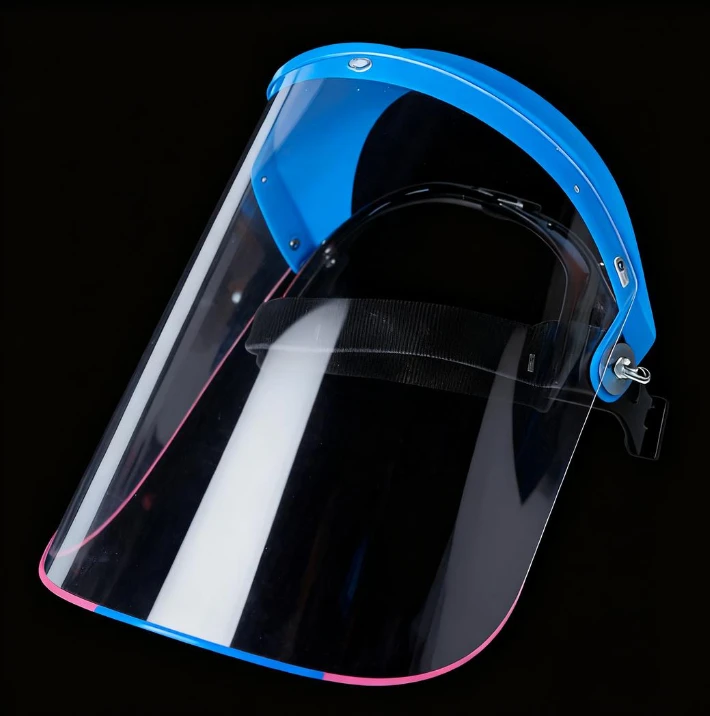
Where a process has several hazards, test the full ensemble. A face shield may need to work with a helmet and safety eyewear. A protective sleeve must stay in place with a glove. A respirator programme requires its own selection and fit-testing controls. The site's manufacturing PPE guide is a useful task-level companion. A 2027 buying plan should keep an approved bill of materials and a change-control record so that a substitution does not quietly alter the tested construction.

Energy: maintenance windows, electrical hazards and remote logistics
Energy-sector orders are often shaped by scheduled outages, contractor mobilization and remote-site logistics. Utilities, oil and gas operations, renewables and supporting fabrication have different hazards. Buyers should separate arc and electrical protection, flame-resistant workwear, heat and weather exposure, chemical exposure and ordinary mechanical protection rather than bundle all energy workers into one PPE category.
For electrical work, the hazard assessment and applicable local rules determine the protective system. An arc-rated garment is not a substitute for a complete work practice, the correct equipment category or properly selected additional protection. For oil and gas work, flame-resistant clothing may be specified for particular exposures, but the required standard, construction and laundering method need to match the job and market. The site's oil and gas PPE guide provides the sector-specific selection route.
Energy procurement has a timing problem as well as a product problem. A missed outage window can make an otherwise acceptable delivery useless. Build the calendar backward from worker mobilization: sample and size approval, certification evidence, production, final inspection, transit, customs and distribution to the site. If the location is remote, hold a controlled reserve of critical sizes and replacement parts. A second source can reduce disruption risk only if its product is already technically qualified. Switching to an untested substitute during an outage is not a resilience plan.
The 2027 trade outlook leaves room for active industrial supply, but transport and energy costs can change. Procurement teams should compare total landed cost and delivery reliability, not ex-factory price alone. Record which materials and components are approved alternatives, and require a formal review before any substitution that could affect protection or certification.
Product mix: demand shifts from units toward fit and compatibility
The most consequential 2027 product shift may be better matching between worker, hazard and equipment. A larger catalogue does not solve a poor fit or incompatible ensemble. Buyers should track whether workers can wear head, eye, face, hearing, respiratory, hand and body protection together for a complete shift without introducing a new hazard.
This matters in both construction and general industry. OSHA's rules make proper fit explicit. A glove that is too large can snag; a small glove may fatigue the hand or tear sooner. Safety glasses need secure coverage across face shapes. Workwear must allow movement without exposing the wrist, ankle or neck when the worker reaches or bends. A distributor that offers only a central size can lose orders even if the product otherwise meets a named test standard.
Compatibility should be a documented trial, not a catalogue assumption. Ask workers to perform representative movements and tasks while wearing the actual combination. Record slipping, fogging, pressure points, interference with tools and signs that workers remove equipment to complete a task. Feed that evidence into size curves and replenishment planning. If a design change improves fit, confirm whether it changes the construction covered by testing or certification.
The ILO's safety figures are a reminder that safer outcomes require more than purchases. PPE choice should sit after elimination, substitution and engineering controls in a hierarchy of controls. Where PPE remains necessary, procurement has to ensure the right model is available in the right sizes at the right location, and that the worker knows its limitations.
Heat and weather: protection can create another exposure
Heat exposure can change the usable PPE specification, especially for construction crews, foundries, outdoor maintenance and energy facilities. Protective clothing may reduce heat dissipation even while it protects against another hazard. Buyers should include wear time, work rate, weather and rest arrangements in trials rather than evaluate garments only by laboratory performance.
The NIOSH guidance on PPE heat burden explains that certain ensembles hold heat and moisture and can raise the risk of heat-related illness. The ILO reports that billions of workers face excessive heat, but that exposure estimate is not a sales projection for cooling garments. A buyer should ask whether a proposed material or coating changes breathability, whether the ensemble can be worn for the expected duration, and whether work-rest practices are adequate.
This does not justify choosing a lower level of protection against a known hazard. It calls for an integrated assessment with safety professionals. In some settings, a lighter approved construction, different shift timing, shade, cooling or more frequent breaks may improve the programme. In others, chemical or thermal protection will constrain fabric choice. The purchase specification should state the hazard being controlled, the expected environment and any practical wear limitation found in trials.
Compliance evidence: match documents to the exact product
As buyers compare suppliers in 2027, a document folder alone will not prove that bulk goods meet the required standard. The evidence must identify the actual model, construction, test method, performance level and production controls. A certificate referring to a different coating, fabric, component or size range can mislead even when the file itself is genuine.
For products placed on the EU market, Regulation (EU) 2016/425 sets essential health and safety requirements and conformity-assessment duties. The applicable route depends on the product's risk category. Importers should verify the declaration of conformity, product identification, markings, instructions and the relationship between test reports and the supplied model. Requirements in other destination markets differ. A buyer serving several markets should maintain a market-by-market compliance matrix instead of assuming one logo or test covers all destinations.
Use an evidence chain: hazard and intended use; written specification; approved production-equivalent sample; test report and certificate where required; controlled bill of materials; incoming and in-process checks; final inspection; lot and shipment records. Each link should refer to the same model and revision. The site's PPE certification guide explains how major certification and workplace-rule families differ. Buyers should verify the current standard edition and destination requirements before an order is released.
The strongest supplier conversation begins with evidence, not a yes-or-no question about whether a product is “certified.” Ask what changed since the tested sample, how changes are approved and how the factory prevents mixed materials or incorrect labels from entering bulk production. These controls become more valuable when demand spikes or a buyer needs to accelerate delivery.
Capacity, price and lead time: plan for variability
The WTO's October outlook points to continued trade growth in 2027, but it also warns that gains and disruptions are uneven. PPE buyers should avoid applying a single lead-time or freight assumption across all categories. A standard repeat order can be very different from a new private-label product needing development, testing, approvals and custom packaging.
A useful landed-cost comparison separates material and conversion cost, testing and certification, packaging, quality inspection, freight, duties and inventory carrying cost. The lowest quote may become expensive if it omits a required test, delivers an incomplete size mix or causes rework. Conversely, a higher quoted price is not automatically better; the supplier should show which controls and services it includes. Do not publish an industry-wide MOQ, lead time or 2027 price change without current, product-specific evidence.
Build two scenarios. The base case uses approved materials, normal test turnaround and the planned route. The disruption case assumes a key material, port or transport route is delayed. For each, identify the date by which the buyer must approve the sample, book capacity and release the purchase order to meet deployment. If a backup supplier is part of the plan, prequalify its exact product and documents. Buying from a new factory after disruption has already occurred rarely recovers the lost testing and onboarding time.
Inventory should follow risk. Critical items with long qualification cycles may justify a reserve; generic items with short replenishment cycles may not. Track sizes separately, because a pile of medium garments does not solve a shortage in smaller or larger sizes. Review damaged or expired stock before counting it as available supply.
A practical 2027 purchasing plan for industrial buyers
The strongest plan connects a workforce and task forecast to a controlled technical specification. Start with exposure and fit, then decide the applicable standard and evidence package. Only after those decisions should suppliers quote. This sequence produces comparable offers and reveals whether an apparent cost advantage depends on a different construction or omitted service.
| Decision | Evidence to collect | Procurement output |
|---|---|---|
| Workforce and tasks | Crew by site, phase, shift and exposure | Forecast by product family and size |
| Protection level | Hazard assessment and applicable rule or standard | Product specification and limits of use |
| Fit and compatibility | Worker trial across representative sizes and ensembles | Approved size curve and model list |
| Conformity | Reports, certificates, declarations and model references | Market-specific evidence file |
| Repeatability | Materials, process controls and inspection gates | Approved sample and change-control rule |
| Continuity | Lead-time components, transport options and qualified alternatives | Order calendar and reserve policy |
Review the plan at three points: before budget approval, before production release and after the first shipment is used. The last review matters because real wear, damage, comfort and replenishment data reveal gaps that a sample room cannot. Record which assumptions were wrong. If construction headcount changed, adjust the phase forecast. If gloves wore out faster, check both task exposure and product quality before merely increasing the next order.
Shield Wings can review a prospective programme against the hazard, destination market, expected quantity, size mix and delivery window. A useful first enquiry contains those facts and any current technical specification; it does not need a fixed product code. That allows a supplier to identify missing information before sampling and quotation.
For sector-by-sector selection, use the PPE by industry guide alongside this outlook.
Frequently asked questions from current search results
What is PPE in the manufacturing industry?
In manufacturing, PPE is the equipment selected after a workplace hazard assessment to reduce exposure that remains after other controls. The mix can include hand, eye, face, head, foot, hearing, respiratory and body protection. The relevant model depends on the process, such as cutting, welding, chemical handling or maintenance. A plant-wide purchase list should therefore be built from tasks, not from a generic industry label.
What are the 7 types of PPE?
Search results often group PPE into seven broad types, but there is no single universal purchase list that fits every job. A practical grouping covers head, eye and face, hearing, respiratory, hand and arm, foot and leg, and body protection. Some programmes separate these categories differently. A buyer should use the categories as an inventory map, then choose equipment from the actual hazard assessment and applicable rules.
How big is the PPE market?
Published estimates vary because reports use different product definitions, geographic coverage, base years and treatment of medical versus industrial products. The current SERP contains several commercial market reports with different forecasts. This article does not select a headline market value as a fact about industrial demand. For procurement, worker exposure, replacement rate, size mix and project timing provide a more useful and auditable demand estimate.
What PPE is required for construction?
There is no universal construction kit. The required equipment depends on the job and identified hazards. Head and foot protection, eye and face protection, high-visibility clothing, gloves, hearing protection, respiratory protection or specialized electrical and fall-protection systems may be needed in different tasks. Employers must assess hazards and select equipment that properly fits the affected worker. Site rules and local law should be checked before mobilization.
Method and sources
This is a buyer-oriented scenario analysis written in October 2026. It uses official safety and trade sources, plus live US English Google SERP observations obtained through DataForSEO on October 17, 2026. The SERP was dominated by market-report landing pages; several did not address fit, change control, lead-time components or task-level industrial buying. The report deliberately does not claim a proprietary 2027 PPE market size, CAGR, factory capacity, MOQ or delivery time.
- WTO: October 2026 global trade outlook
- ILO: global occupational safety and health data
- US BLS: fatal work injuries by industry, 2024
- OSHA: construction PPE proper-fit final rule
- OSHA: general-industry PPE requirements
- NIOSH: PPE heat burden guidance
- EUR-Lex: Regulation (EU) 2016/425