

Protective clothing is usually specified carefully and retired casually. A site that can produce the assessment, the test report and the purchase order often cannot say when a particular garment was last inspected, what it was laundered with, or why its predecessor was withdrawn. That gap matters because most protection is lost gradually: through abrasion, contamination, laundering chemistry, heat and repeated repairs, not in a single event that anyone notices.
Where Performance Is Lost in Service
Protective clothing degrades along predictable paths. Mechanical wear thins and abrades the material, particularly at cuffs, hems, shoulders and anywhere the garment rubs against equipment. Contamination with oils, solvents, dust or process chemicals changes both the surface behaviour and, in some cases, the flammability of the garment. Heat exposure stiffens and discolours materials and affects seams, closures and any retroreflective tape. Laundering outside the care instructions affects finishes, colours and, for retroreflective material, the property that returns light.
Repair is the least obvious of these. A patch, a stitch or a replacement closure applied outside the manufacturer’s instructions can leave an area that no longer carries the protection the garment was purchased for, or add a material that behaves differently under heat. Because repairs are usually invisible from a distance, they are exactly the kind of condition a periodic inspection is designed to find.
Service conditions accelerate these paths in ways the specification rarely anticipates. A garment worn in a wet, oily environment keeps its visible shape while its surface behaviour changes; a garment used near a furnace stiffens at the shoulders and cuffs weeks before anything else; a garment worn under a harness or a tool belt abrades in a band that is hidden when it is laid flat. This is why inspection criteria should describe positions on the garment rather than the garment as a whole, and why the interval is best set from the site’s own observations rather than from a generic recommendation.
Cleaning and Care Within the Manufacturer’s Instructions
The care label is the controlling document, and it exists because the protective property depends on how the garment is maintained. That means the site’s cleaning method has to match it: an industrial laundry running a standard heavy-soil programme may be entirely suitable for one garment family and unsuitable for another, and a domestic-style wash that uses fabric conditioners may be unsuitable for both.
For a programme rather than a single garment, three arrangements make care manageable.
- Segment the laundry by garment family, so that protective garments are not washed with general workwear under a programme that no manufacturer specified.
- Record the process against the garments, so that a later question about a batch of complaints can be answered from the laundry log.
- Keep the care instructions with the issue record, not in a supplier folder nobody opens, because the person deciding how to clean a garment is usually the person who notices the problem.
Where garments are contaminated with flammable or hazardous substances, the care instructions determine whether cleaning is permissible at all. Some contamination means the garment is withdrawn from service rather than laundered, and a programme that has not decided this in advance will improvise under pressure.
Inspection Points Before Every Use
The pre-use check takes under a minute and catches the majority of conditions that matter. It is done by the wearer, and it works when the wearer has been taught what to look for and what to do about it.
- Fabric: holes, tears, thin areas, scorching, charring, stiffness or discolouration.
- Seams and closures: open seams, damaged zips and hook-and-loop fasteners, missing buttons, broken studs.
- Coverage: collars that close, cuffs that overlap the gloves, trousers that overlap the boots, no exposed areas when reaching or bending.
- Contamination: oil, solvent, dust, metal splash or chemical residues, and any unusual smell.
- Markings and labels: legible and present, since a garment whose label has been lost cannot be verified against the specification.
- Repairs: any repair not carried out to the manufacturer’s instructions, which is a withdrawal trigger rather than a judgement call.
The check is only useful if the wearer has somewhere to take a garment that fails it. A withdrawal point, a replacement process and a clear instruction that a suspect garment never returns to the rack are what turn a checklist into a control.
Periodic Inspection and Test Intervals
Periodic inspection is the site’s control rather than the wearer’s, and it is the interval most programmes leave undefined. In practice, three sources set it: the manufacturer’s instructions, the severity of the hazard and the conditions the garment meets, and the site’s own experience of how quickly garments deteriorate in a particular task.
| Garment situation | Inspection arrangement | Who performs it | Record kept |
|---|---|---|---|
| Routine workwear under normal conditions | Pre-use check plus a periodic inspection at the interval the site sets | Wearer, then supervisor or store | Issue record with inspection date |
| Garments exposed to heat, molten metal or chemicals | Pre-use check plus a shorter periodic interval, with contamination assessed | Trained inspector | Inspection record naming the garment and criteria checked |
| Arc-rated and flash fire garments | Pre-use check plus periodic inspection against the manufacturer’s criteria | Trained inspector | Inspection and laundering history |
| Garments with a stated service life or test interval | Follow the manufacturer’s stated interval and record the dates | Nominated competent person | Service-life record tied to the garment identifier |
| Garments involved in an incident or exposure | Immediate assessment before any return to service | HSE with the supplier’s guidance | Incident-linked assessment and disposition |
Where a garment has to be tested rather than inspected — a property that cannot be confirmed visually — the test method and interval come from the manufacturer or the relevant standard, and the person performing it should be competent for the method. Writing that into the programme, with a named owner for scheduling, is what prevents an interval that exists only in someone’s memory.
It is also worth separating garments by how hard their life is. A single interval applied across a whole site will be too short for office-adjacent stores workwear and too long for garments at a pour floor or a casting line, and the site ends up either replacing sound equipment or keeping compromised equipment in service. Grading the interval by task family takes an afternoon to set up and removes most of that misallocation. The interval should be reviewed whenever a task, a process or the laundering arrangement changes, because all three affect how fast a garment degrades.
Documenting Condition and Traceability
Records serve three purposes: they prove that the required protection was in place, they show that it was maintained, and they let the site learn from the pattern of failures. A useful record set is small and specific.
- The specification line each garment was purchased against, so that the claim can be checked against the product.
- The issue record linking the garment to the worker, with size and date.
- Inspection results with the date, the criteria checked and the outcome.
- Laundering and repair history where it affects the claim.
- Retirement record with the reason, which is the most useful piece of data in the whole set.
Traceability matters most when something goes wrong. If a batch of garments fails inspection earlier than expected, the traceability reference lets the site identify every garment from the same production run and check them together, rather than discovering the problem one garment at a time over several months.
Repair, Withdrawal and Disposal
Three dispositions are possible for a garment that has a problem, and only one of them should be improvised. Repair is permissible only where the manufacturer permits it and specifies how, and the repair should be recorded. Withdrawal is the default for damage, contamination that cannot be resolved, exposure outside the specification, or a failed periodic inspection, and withdrawn garments must leave the circulation immediately rather than waiting in a locker for a decision. Disposal ends the life of the garment and should be recorded, including whether the material can be returned for recycling or must be handled as contaminated waste.
The most common failure is the third-hand garment: withdrawn from one worker, placed in a store, and reissued because it looks serviceable. A physical quarantine location with a visible marker, and a rule that only the responsible person can release a garment from it, prevents that. Retirement criteria should also include the case where the task has changed: a garment that is still sound for one task may no longer meet the requirement of the task the worker now performs. What the marking on a PPE label and rating actually means is covered in the site’s guide to label reading, which owns that explanation.
Disposal deserves one decision in advance: what happens to a garment that has carried a protection claim and has reached the end of its life. Where the material can be returned for recycling, the route should be agreed with the supplier; where it has been contaminated with a hazardous substance, the waste route is a legal question rather than a housekeeping one. Both cases are easier to handle when the programme says who decides and records the outcome, rather than leaving it to whoever empties the store room.
What to Ask the Supplier Before You Buy
Care and retirement are easier to manage if the questions are asked before the order rather than after the first failure.
- What are the care and laundering instructions, and will the site’s existing laundry process stay inside them?
- What are the inspection and retirement criteria, and are any of them visual?
- Is repair permitted, and if so, how and by whom?
- Is there a service life the manufacturer states, and does it depend on the number of launderings?
- What traceability reference appears on the product or the packaging, and what does it identify?
- Does the product carry additional claims, such as arc rating or visibility class, whose care conditions differ from the base garment?
Shield Wings manufactures protective clothing across the body protection range, including arc flash protection garments, and supplies care, inspection and traceability information with the product documentation so that a site can build the maintenance side of the programme at the same time as the specification. The commercial benefit is straightforward: garments stay in service for their useful life rather than being replaced early out of uncertainty, and the ones that must be withdrawn are identified before a worker is exposed.
The test of an inspection and retirement programme is not the checklist. It is whether a supervisor can walk to the store, pick up any garment, and say when it was inspected, what it was washed with, and why the previous one was withdrawn. If that answer takes a phone call, the programme is documentation rather than control.
Frequently Asked Questions
How often should protective clothing be inspected?
Two intervals matter, and they are different things. The wearer checks the garment before every use, looking for damage, contamination and anything that has changed since the previous shift. The site then sets a documented periodic inspection at an interval taken from the manufacturer’s instructions and adjusted for the severity of the task and the conditions the garment meets. Both intervals should be written down, with a named person responsible for the periodic one.
When should a protective garment be withdrawn from service?
Withdraw it when the manufacturer’s retirement criteria are met, when it has been exposed to a condition outside its specification, when it has been contaminated in a way the care instructions cannot resolve, when it has been repaired outside the permitted instructions, or when the task changes and the required protection level rises. Where the garment carries a traceable identifier, recording the reason for withdrawal is what allows the programme to learn from the pattern.
Does laundering reduce FR performance?
Laundering affects protective clothing, and how much depends on the fabric and the process. Inherently flame resistant fabrics keep their property in the fibre, while treated fabrics depend on a finish that has to be maintained, and both are affected by chemistry, temperature and mechanical action outside the care instructions. Contamination with oils, solvents or flammable substances is a separate problem: a garment that has absorbed them may need to be removed from service rather than re-laundered.
What records should the inspection programme keep?
Keep the issue record that links each garment to a worker, the pre-use and periodic inspection results with dates, the washing and repair history where it matters to the claim, and the retirement record with its reason. For garments with a defined service life or a test interval, those dates belong in the same file. The purpose is to answer two questions quickly: is this garment still within its specification, and can the site prove it.
What should a buyer ask a supplier about care and retirement?
Ask for the care instructions in the form the site’s laundry will use, the manufacturer’s inspection and retirement criteria, any repair or alteration that is permitted, the expected service life information the manufacturer publishes, and the traceability reference that links a garment to its production batch. Where the product carries a certification or a claim, confirm that the laundry process used on site remains inside the conditions that the claim assumes.

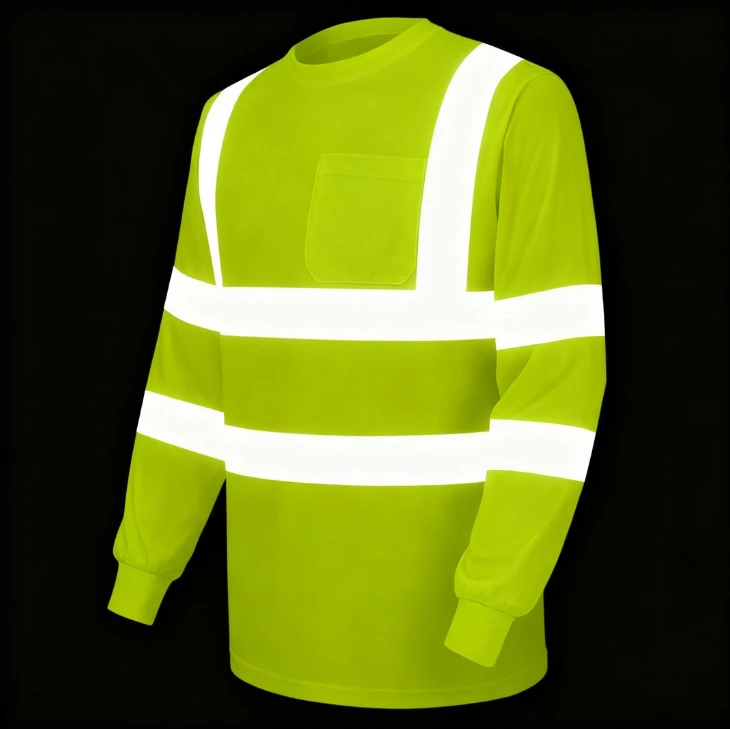
Setting inspection intervals for a protective clothing programme?
Send the garment families, the tasks and the current laundry arrangement. Shield Wings confirms the care conditions, inspection criteria and traceability information for each product line, so the maintenance side of the programme is documented before the first garment is issued.
External references: 29 CFR 1910.132, 29 CFR 1910 Subpart I, NFPA 70E electrical safety in the workplace, CCOHS PPE answers, UK HSE personal protective equipment guidance, CEN-CENELEC standards portal, Regulation (EU) 2016/425.
{“@context”:”https://schema.org”,”@type”:”FAQPage”,”mainEntity”:[{“@type”:”Question”,”name”:”How often should protective clothing be inspected?”,”acceptedAnswer”:{“@type”:”Answer”,”text”:”Two intervals matter, and they are different things. The wearer checks the garment before every use, looking for damage, contamination and anything that has changed since the previous shift. The site then sets a documented periodic inspection at an interval taken from the manufacturer’s instructions and adjusted for the severity of the task and the conditions the garment meets. Both intervals should be written down, with a named person responsible for the periodic one.”}},{“@type”:”Question”,”name”:”When should a protective garment be withdrawn from service?”,”acceptedAnswer”:{“@type”:”Answer”,”text”:”Withdraw it when the manufacturer’s retirement criteria are met, when it has been exposed to a condition outside its specification, when it has been contaminated in a way the care instructions cannot resolve, when it has been repaired outside the permitted instructions, or when the task changes and the required protection level rises. Where the garment carries a traceable identifier, recording the reason for withdrawal is what allows the programme to learn from the pattern.”}},{“@type”:”Question”,”name”:”Does laundering reduce FR performance?”,”acceptedAnswer”:{“@type”:”Answer”,”text”:”Laundering affects protective clothing, and how much depends on the fabric and the process. Inherently flame resistant fabrics keep their property in the fibre, while treated fabrics depend on a finish that has to be maintained, and both are affected by chemistry, temperature and mechanical action outside the care instructions. Contamination with oils, solvents or flammable substances is a separate problem: a garment that has absorbed them may need to be removed from service rather than re-laundered.”}},{“@type”:”Question”,”name”:”What records should the inspection programme keep?”,”acceptedAnswer”:{“@type”:”Answer”,”text”:”Keep the issue record that links each garment to a worker, the pre-use and periodic inspection results with dates, the washing and repair history where it matters to the claim, and the retirement record with its reason. For garments with a defined service life or a test interval, those dates belong in the same file. The purpose is to answer two questions quickly: is this garment still within its specification, and can the site prove it.”}},{“@type”:”Question”,”name”:”What should a buyer ask a supplier about care and retirement?”,”acceptedAnswer”:{“@type”:”Answer”,”text”:”Ask for the care instructions in the form the site’s laundry will use, the manufacturer’s inspection and retirement criteria, any repair or alteration that is permitted, the expected service life information the manufacturer publishes, and the traceability reference that links a garment to its production batch. Where the product carries a certification or a claim, confirm that the laundry process used on site remains inside the conditions that the claim assumes.”}}]}