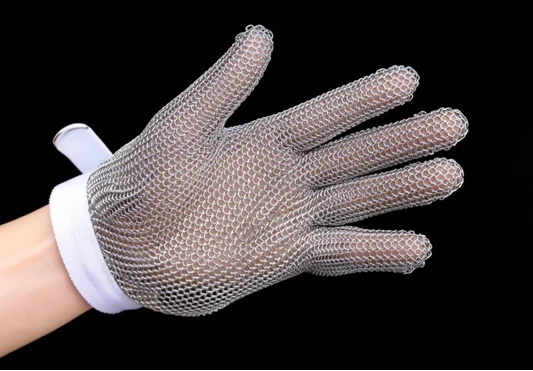
Impact protection gloves shield the back of the hand from crushing and impact forces — a separate hazard from cuts — and ANSI/ISEA 138 is the standard that rates that protection. This guide explains the standard and how to choose the gloves, with reference to Shield Wings’ hand protection.
Last updated:
What Are Impact Protection Gloves?
Impact protection gloves use padded armor on the back of the hand and fingers to absorb and distribute impact energy, protecting against crushing, striking, and pinch hazards that cut-resistant gloves do not address.
Cut resistance stops blades; impact protection stops blunt force. In oil and gas, mining, and heavy manufacturing, hands are struck by tools, pinched between components, and crushed against equipment — injuries that a cut-rated glove does nothing to prevent. Impact gloves place energy-absorbing armor — often thermoplastic rubber (TPR) — over the knuckles, fingers, and back of the hand. The two protections combine: a glove can be both cut-rated and impact-rated, with separate test reports for each.
What Does ANSI/ISEA 138 Measure?
ANSI/ISEA 138 is the North American standard for back-of-hand impact protection, rating the glove from level 1 to level 3 based on how much force is transmitted through the armor.
The standard measures the force transmitted to the hand when a controlled impact strikes the armor; lower transmitted force means better protection and a higher level. Level 1 suits lighter impact tasks, level 2 covers moderate impact, and level 3 provides the highest protection for severe crushing and striking hazards. The rating appears on the label with the test report behind it. When you specify, match the level to the actual impact energy of the task.
Add the impact glove spec to the site’s glove matrix so the level, coverage, and coating are written down for every task that needs them.
Which Tasks Need Impact Protection?
Tasks with striking, crushing, or pinch hazards need impact protection — pipe handling, heavy component assembly, mining and drilling, and any work where hands are near moving equipment.
The classic injuries are crushed fingers in pipe vices, struck knuckles on valves and flanges, and hands caught between components. Impact-rated gloves with finger and knuckle armor address these. Where the task also involves blades or sharp edges, combine the impact rating with a cut rating on the same glove. The hazard assessment decides both levels, and the matrix should name the complete glove spec — impact level, cut level, and any coating requirements.
How Do You Choose Impact Gloves?
Choose by the impact level the task requires, then weigh comfort, dexterity, and the coating — because armor that makes the glove unwearable protects no one.
Impact armor adds stiffness, so dexterity and fit matter more than with simple cut gloves. Test the candidate gloves on the real task: can the worker grip, assemble, and handle tools with the armor in place? Check the coverage — some gloves armor only the knuckles, others extend to the fingers. Choose the coating for the environment, such as nitrile for oil resistance. Trial the gloves with the crew and use their feedback, because an impact glove worn is protection; one left in the locker is not.
How Do You Verify the Rating?
Verify the ANSI/ISEA 138 level through the test report for the exact model, and confirm the delivered batch matches — the label is a summary, the report is the evidence.
Request the test report naming the level, the standard edition, and the model, and keep it with the order. Where the glove also carries a cut rating, confirm both reports on the same model. Re-check on reorders because production and standards change. A glove with both ratings documented is a glove whose protection is known; one without is a guess.
A cut rating does not represent back-of-hand impact protection; confirm the ANSI/ISEA 138 level for the task and assess crush and pinch hazards against the applicable standard.
When you standardize impact gloves, confirm the full specification with the manufacturer: the ANSI/ISEA 138 level, any cut rating on the same model, the coating, and the size range for the crew. A manufacturer that provides the test reports for both properties on the exact model, and that can show the armor coverage and construction details, makes the selection verifiable rather than assumed. Keep the documentation with the order and re-check on reorders, because production and standards change. The impact glove is protection only when the rating matches the task and the worker actually wears it — the spec, the trial, and the report together close that loop.
Add the impact glove spec to the site’s glove matrix so the level, coverage, and coating are written down for every task that needs them.
Evidence to Verify Before Approving Impact Protection Gloves and ANSI/ISEA 138
A supplier claim is not enough to approve Impact Protection Gloves and ANSI/ISEA 138. The purchasing file should connect the workplace hazard to the exact model, its supporting documents, and the configuration workers will actually receive.
| Verification item | What to request | Reason to stop approval |
|---|---|---|
| Hazard basis | Task, exposure, environment, and the site assessment that created the requirement | The product is being selected from a catalogue without a documented hazard basis |
| Exact product identity | Model, size range, material or component specification, and revision | The quotation and test document refer to different models or constructions |
| Model-specific evidence | Applicable standard, edition, test method, result, laboratory, and report date | Only a generic certificate, logo, or supplier declaration is available |
| System compatibility | Instructions showing how the item works with the rest of the PPE ensemble | Fit, coverage, accessories, or another PPE item creates a protection gap |
| Receipt and change control | Approved sample, SKU or lot link, inspection criteria, and notice of material changes | The delivered item cannot be tied back to the approved sample and evidence |
For U.S. programs, keep this evidence with the employer’s PPE assessment and training records. OSHA’s general PPE requirements make hazard assessment, suitable equipment, proper fit, and employee training separate obligations; a product certificate does not replace them. See 29 CFR 1910.132.
When to Reopen the Selection Decision
Approval should not be treated as permanent. Reassess Impact Protection Gloves and ANSI/ISEA 138 when the work, product, evidence, or condition changes.
- The task or exposure changes: repeat the hazard assessment before carrying the old specification into a new process, energy level, temperature, chemical, or work location.
- The supplied construction changes: obtain revised model-specific evidence when fabric, coating, component, accessory, test standard, or manufacturing route changes.
- Fit or compatibility fails: stop issue when movement, coverage, visibility, communication, dexterity, or another PPE item is compromised.
- Damage or contamination appears: follow the manufacturer’s inspection and retirement instructions rather than relying on appearance alone.
- Records no longer match: quarantine stock when the label, SKU, batch, user instructions, and supporting report cannot be reconciled.
This review gate turns procurement into a controlled decision: hazard → model → evidence → fit trial → receipt inspection → periodic reassessment.
FAQs
Where does the impact glove spec belong and how do we track it?
Include the impact gloves in the site’s glove matrix so the level and coverage are written down for each task, not left to memory.
Are impact gloves also cut resistant?
Not necessarily. Impact and cut are separate properties with separate tests; choose a glove rated for both where the task needs it.
How do ANSI/ISEA 138 levels compare?
Levels 1–3 rank by transmitted force, with level 3 offering the highest protection; match the level to the task’s impact energy.
Do impact gloves reduce dexterity?
Armor adds some stiffness, so test the gloves on the real task and balance protection with the dexterity the work requires.
How do we get impact gloves with both ratings?
Send us your task requirements, and we will recommend gloves with matching documentation via our contact page or the hand protection page .