

Steel toe and composite toe boots both meet the same impact and compression standards, so the difference is not protection — it is the environment: weight, conductivity, temperature, and security all change which toe is right for the job. This guide compares the two, with reference to steel toe and composite toe boots from Shield Wings.
(Last modified date: October 2, 2026)
Quick definition: Both toe types protect against impact and compression to the same standard — the difference is material behavior: steel is heavier and conductive, while composite is lighter and non-conductive, and those properties…
Key Takeaways
- Both must meet the same impact and compression standards, so protection is equal on paper.
- Steel toe boots suit general construction, heavy industry, and budget-led programs where weight and conductivity are not the issue — they deliver maximum protection at the lowest cost.
- Composite toe boots suit electrical work, airport and security environments, cold climates, and workers who carry heavy loads all day — where the non-conductive, lightweight properties justify the higher price.
- Decide by walking the workplace and answering three questions: does the job involve electricity, security screening, or extreme temperatures — and how long do workers stand and carry?
- Fit and maintenance decide whether the toe protection stays where it belongs: the boot should fit snugly with room beyond the longest toe, be broken in properly, and be inspected regularly — because a boot that slips or…
- Beyond the toe type, the boot must match the rest of the hazard set — puncture protection, slip resistance, electrical hazard or static dissipative ratings, insulation, and waterproofing — because the toe is one feature…
What Is the Real Difference Between Steel and Composite Toe Boots?
Both toe types protect against impact and compression to the same standard — the difference is material behavior: steel is heavier and conductive, while composite is lighter and non-conductive, and those properties decide which environment each suits.
Steel toe caps are made from hardened steel and offer excellent impact and compression protection at a low price. Composite toe caps use non-metal materials such as fiberglass, plastic, or carbon fiber, providing equivalent protection with less weight and no conductivity. Neither is “safer” in general; each is safer in the environment it fits. The right question is not which toe is stronger — it is what the workplace does to the worker’s feet and what the worker’s feet do to the workplace.
What Are the Key Differences at a Glance?
| Factor | Steel toe | Composite toe |
|---|---|---|
| Impact protection | Excellent (same class) | Excellent (same class) |
| Weight | Heavier | Lighter |
| Conductivity | Conducts heat and cold | Non-conductive |
| Metal detectors | Triggers alarms | Safe in security areas |
| Cold environments | Conducts cold | Better insulation |
| Price | Lower | Higher |
Both must meet the same impact and compression standards, so protection is equal on paper. The differences that matter are practical: how the boot feels on the foot, how it behaves around electricity, how it responds in cold conditions, and whether it passes through security screening. The decision table maps those factors to the workplace.
Which Environment Favors Steel Toe Boots?
Steel toe boots suit general construction, heavy industry, and budget-led programs where weight and conductivity are not the issue — they deliver maximum protection at the lowest cost.
On a typical construction or manufacturing site, the main hazards are falling and crushing loads, and steel toe boots handle them at a price that suits volume buying. The downsides — weight and conductivity — matter little on a dry, non-electrical site in a temperate climate. Steel conducts heat and cold, so workers in extreme temperatures may find the toe uncomfortable; and workers passing through metal detectors will trigger alarms. For the majority of general industry, steel remains the value standard.
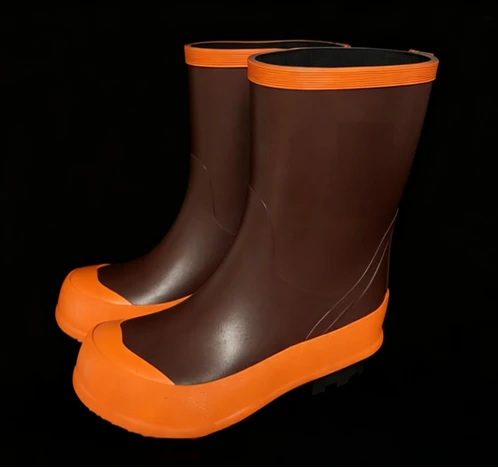
The toe material is one line in the specification; the sole, upper and rating matter just as much.
Which Environment Favors Composite Toe Boots?
Composite toe boots suit electrical work, airport and security environments, cold climates, and workers who carry heavy loads all day — where the non-conductive, lightweight properties justify the higher price.
Electricians and utility workers benefit from non-conductive footwear as part of their electrical PPE system. Airport and logistics workers avoid repeated metal-detector alarms. Cold-storage and winter workers keep their feet warmer because composite does not conduct cold. And workers who stand and walk long hours feel the weight difference by the end of the shift. Where any of these factors dominate, composite toes solve problems steel cannot.
What the Standard Actually Requires
The toe-material debate is settled by the fact that both options are tested to the same impact and compression requirements. What the regulation adds is a separate question: whether protective footwear is required at all, and whether it needs an electrical rating.
29 CFR 1910.136 requires the employer to ensure that each affected employee uses protective footwear when working in areas where there is a danger of foot injury due to falling or rolling objects, or objects piercing the sole, or when the use of protective footwear will protect the employee from an electrical hazard — such as a static-discharge or electric-shock hazard — that remains after the employer has taken other necessary protective measures.
That sentence contains three separate triggers, and they do not all point to the same boot:
- Falling or rolling objects — the impact case, which is what toe protection answers. Steel and composite both satisfy it when they carry the rating.
- Objects piercing the sole — a penetration requirement, answered by the sole construction rather than the toe. A boot can have an excellent toe cap and no puncture protection.
- Electrical hazard remaining after other measures — this is the trigger that rules steel out, and it is explicitly conditional on other controls having been applied first.
The regulation names ASTM F2412 and F2413 among the recognised consensus standards for protective footwear. That is the pair of documents the certificate should reference: F2412 covers the test methods, F2413 the performance requirements, and the rated properties on the label follow from them.
Below all of this sits the general duty in 1910.132(d): assess the workplace, select equipment that protects against the hazards identified, communicate the selection, select PPE that properly fits, and certify the assessment in writing. So the practical sequence for a footwear decision is to establish which of the three triggers above actually applies to each task, then let the answer pick the toe material — not the other way round.
How Do You Decide Which Toe Type Your Team Needs?
Decide by walking the workplace and answering three questions: does the job involve electricity, security screening, or extreme temperatures — and how long do workers stand and carry? Then confirm the standard, size, and fit before buying.
Start with the environment: electrical exposure requires footwear with an EH or dielectric rating from the applicable standard — composite’s non-conductivity alone is not electrical protection; airport and secure facilities point to composite; cold environments point to composite; general heavy industry with no such factors stays with steel for value. Then consider the duty: workers on their feet all day benefit from the lighter boot. Whatever the choice, confirm the footwear meets the applicable standard — ASTM F2413 or EN ISO 20345 — with the certificate from the manufacturer for the exact model, and run a wear trial with the crew before bulk ordering, because fit and comfort decide whether the boots are worn.
How Should the Boot Fit and Be Maintained?
Fit and maintenance decide whether the toe protection stays where it belongs: the boot should fit snugly with room beyond the longest toe, be broken in properly, and be inspected regularly — because a boot that slips or wears out is a boot that does not protect.
Try boots on at the end of the day with the socks worn on the job, and test both feet. A toe cap that is too short does its job poorly; one that is too long affects balance and gait. Check the heel hold and the instep pressure, and allow for the break-in period — a boot that still hurts after a few shifts is the wrong last. Inspect weekly for sole wear, toe-cap exposure, and stitching damage, and replace boots on a cycle based on duty, because protection degrades even when the boot looks acceptable. Store boots away from heat and direct sun, and dry them slowly after wet work.
What Else Should the Footwear Include?
Beyond the toe type, the boot must match the rest of the hazard set — puncture protection, slip resistance, electrical hazard or static dissipative ratings, insulation, and waterproofing — because the toe is one feature of a safety system.
The toe protects the front; the sole protects the bottom. Nails and debris need puncture plates, wet and oily floors need slip-resistant outsoles, and electrical work needs the right rating with the understanding that it is a secondary protection layer. Cold work needs insulation, wet work needs waterproof membranes, and foundries need heat resistance. Build the full specification — toe type plus sole, rating, and environment — and verify the certificate covers the complete model. A boot selected on the toe alone leaves the rest of the hazard set uncovered.
Verify the certificate the same way you verify the boot: the standard and edition, the model, the protection codes (impact, compression, puncture, EH or SD where relevant), and the production batch. Keep the documents per style in the compliance file, and re-check on reorders because standards and production change. When the toe type, the sole, and the documentation all match the workplace, the boot is doing its job.
Electrical footwear is secondary protection and does not replace de-energization, insulated tools, or the employer’s electrical safety procedure; confirm all selections against the job hazard assessment and the applicable standard.
For the wider topic and related decisions, see our Safety Footwear & Boots.
FAQs
Is steel toe stronger than composite toe?
No. Both meet the same impact and compression standards; the difference is weight, conductivity, and cost.
Can composite toe boots be used for electrical work?
Composite is non-conductive, but for electrical work confirm the footwear’s electrical rating and its place in your site’s electrical safety program.
Do composite toe boots last as long as steel?
With proper care, yes. Durability depends more on the upper, sole, and construction than on the toe material.
How do we choose between them for our team?
Map your hazards and environment, then request documentation and samples via our contact page or the safety footwear page.
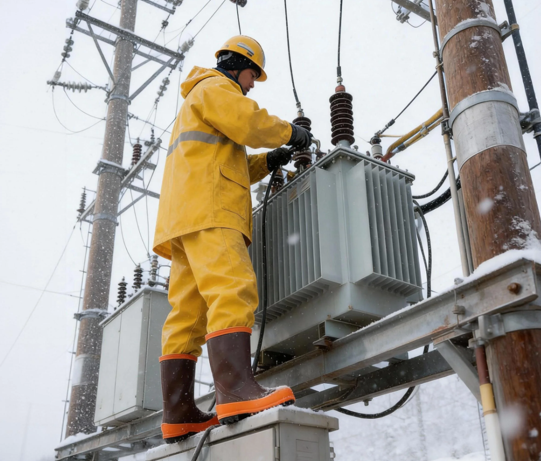
Where electrical hazard remains after other controls, the footwear rating becomes a requirement rather than a preference.
Related Articles
- Custom FR Workwear: Branding Sizing and Fit for Teams
- Auto-Darkening Welding Helmet Buying Guide: DIN Shades and Lens
- Aluminum Foil Hoods: Heat Protection Applications
- How to Choose Work Boots for Construction Sites
- Safety Footwear Standards: ASTM vs EN ISO 20345
- Puncture Resistant Safety Shoes: Standards and Applications
Official Resources
- Steel Toe Puncture Resistant Safety Shoes
- How To Choose Work Boots For Construction Sites
- Ppe For Oil And Gas Workers The Complete Guide
- Winter Workwear For Outdoor Workers What To Look For
- Dielectric Boots Vs Eh Rated Boots Whats The Difference
- Safety Footwear Standards Astm Vs En Iso 20345
- Smart Safety Helmets Features Benefits And Roi
- Contact Shield Wings