An arc flash hazard analysis calculates the incident energy of each electrical task and converts it into equipment labels and PPE requirements — it is the document that turns a safety program from a list of rules into a set of specific decisions. This guide explains the analysis and how to use it, with reference to Shield Wings’ arc flash protection.
(Last modified date: October 2, 2026)
Quick definition: The analysis produces an incident energy value in cal/cm² for each task, an arc flash boundary, and the required PPE category or rating — usually presented on equipment labels and in a task matrix.
Key Takeaways
- The analysis is performed by a qualified engineer using system data — fault current, protective device settings and clearing times, conductor distances, and transformer data — modeled with IEEE 1584 or a similar…
- The arc flash boundary defines the distance at which a worker could receive a second-degree burn from an arc flash; inside the boundary, workers need appropriate PPE for the task.
- The analysis becomes equipment through task labels and a PPE matrix: each task’s incident energy maps to a required rating, and the matrix names the complete system — clothing, hood, face shield, and gloves.
- The analysis should be updated after significant changes to the electrical system, after incidents or near-misses, and on a scheduled review cycle — typically within five years or sooner.
What Does an Arc Flash Hazard Analysis Produce?
The analysis produces an incident energy value in cal/cm² for each task, an arc flash boundary, and the required PPE category or rating — usually presented on equipment labels and in a task matrix.
The incident energy value answers the core question: how much energy would a worker be exposed to if a fault occurred at this task? The boundary defines how close workers can approach without PPE. The required PPE rating follows from the energy. Together they turn the electrical system into a set of labeled decisions: this panel, this task, this energy, this equipment. Without the analysis, every decision is a guess.
How Is the Analysis Performed?
The analysis is performed by a qualified engineer using system data — fault current, protective device settings and clearing times, conductor distances, and transformer data — modeled with IEEE 1584 or a similar recognized method.
The inputs determine the output: higher fault current and slower clearing times increase incident energy, while faster protective devices reduce it. The engineer models each bus and task, applies the standard’s calculation method, and documents the assumptions. The result depends on the quality of the input data, so the analysis is only as good as the system information behind it. Changes to the electrical system — new transformers, different breakers, added generation — invalidate parts of the study and require a review.
Why Does the Boundary Matter?
The arc flash boundary defines the distance at which a worker could receive a second-degree burn from an arc flash; inside the boundary, workers need appropriate PPE for the task.
The boundary is calculated from the incident energy and the equipment’s characteristics. Workers inside the boundary need arc-rated PPE; work outside it may not. The boundary also drives practical decisions — where to set up, where to place barriers, and how to plan switching. Because the boundary depends on the same data as the energy, it changes with the system, and the labels must be updated when the analysis changes.
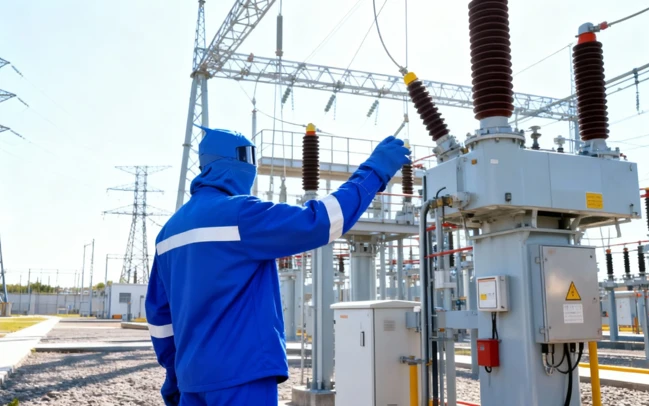
The analysis produces the numbers; the equipment has to match the numbers.
How Do You Turn the Analysis Into Equipment?
The analysis becomes equipment through task labels and a PPE matrix: each task’s incident energy maps to a required rating, and the matrix names the complete system — clothing, hood, face shield, and gloves.
| Analysis output | What it drives |
|---|---|
| Incident energy (cal/cm²) | Required arc rating |
| PPE category | Clothing system |
| Arc flash boundary | Work planning and barriers |
| Task label | Field decision for the crew |
The matrix should be written, posted, and trained, so the crew does not decide on the spot. The analysis drives the labels and the task matrix: equipment is selected from the site’s incident-energy label and electrical safety program for each specific task, and confirmed against the applicable standard — not from a generic category table. When the equipment arrives, verify its ratings against the matrix and the test reports.
What the Regulation Requires the Analysis to Feed
An arc flash hazard analysis is not a study that exists for its own sake. Its output has to reach the equipment, and the regulation is specific about what that equipment must satisfy.
29 CFR 1910.335(a)(1) requires that employees working in areas with potential electrical hazards be provided with, and use, electrical protective equipment that is appropriate for the specific parts of the body to be protected and for the work to be performed. The same paragraph requires non-conductive head protection wherever head injury from electric shock or burns is possible, and eye or face protection wherever arcs, flashes or flying objects from an electrical explosion present a danger.
That phrasing is what makes the analysis load-bearing. Equipment appropriate “for the work to be performed” cannot be selected from a generic category table without knowing the task; and the incident energy the analysis calculates is what sets the arc rating the clothing has to carry. The study is how the abstract requirement becomes a specific garment.
The maintenance obligations sit in the same section and are just as consequential. Protective equipment must be kept in a safe, reliable condition and periodically inspected or tested, and where the insulating capability may be damaged in use the insulating material has to be protected — the regulation gives a leather outer covering over rubber insulating material as the example. An analysis that produces the right rating, applied to equipment that is then stored badly or never retested, does not deliver the protection it specified.
Underneath both is the general duty in 1910.132(d): assess the workplace, select equipment that protects against the hazards identified, communicate the selection to each affected employee, select PPE that properly fits, and certify the assessment in writing. The analysis is the assessment; the task matrix is the communication; the certificates are the evidence.
The practical test of a finished analysis is therefore not whether the report is thick. It is whether a buyer can open it, find the task a crew is about to do, and read off the equipment that task requires — and whether an auditor can trace the same path backwards from the garment on the worker to the number in the study.
When Should the Analysis Be Updated?
The analysis should be updated after significant changes to the electrical system, after incidents or near-misses, and on a scheduled review cycle — typically within five years or sooner.
Equipment changes alter fault current and clearing time, which change incident energy. A protective device upgrade may reduce energy; a new transformer may increase it. The review should re-run the affected buses, update the labels, and revise the PPE matrix and training. Keep the study, the labels, and the equipment documentation together, because an audit will ask for all three. An outdated analysis is a false sense of safety.
The analysis is only as useful as the equipment that follows it, which is why the study, the labels, and the PPE procurement belong in one process. When you buy arc-rated equipment against the analysis, work with a manufacturer that can map its products to your task matrix, provide the test reports for the exact models, and keep batch documentation with every delivery. This closes the loop between the engineer’s calculation and the equipment on the truck: the rating on the garment matches the rating on the label, and the certificate proves it. Without that link, the analysis produces numbers that no one can verify in the field — and a study that cannot be verified is a study that cannot protect.
For the wider topic and related decisions, see our Arc Flash & Electrical Safety PPE.
FAQs
Who should own the analysis update schedule?
The update schedule should also be written into the electrical safety program, with named owners for the study, the labels, and the equipment matrix, so the review is not left to memory. When new equipment is added, re-run the affected buses before the first task label is used, and keep the previous study on file so the change is visible in the audit trail. An analysis that is current, owned, and documented is the foundation the whole electrical PPE program stands on.
Who can perform the analysis?
A qualified engineer trained in the applicable calculation method, with access to the system data; the study should be documented and reviewed.
How long is the analysis valid?
Until the system changes or the review cycle expires; typical reviews run within five years or after significant changes.
Can we use the analysis instead of category tables?
The analysis is one of the two recognized methods; your electrical safety program decides which applies, and the equipment must match the method used.
How do we get equipment for the ratings our analysis requires?
Submit your task matrix and we will confirm the matching equipment – start via our contact page or the arc flash protection page.
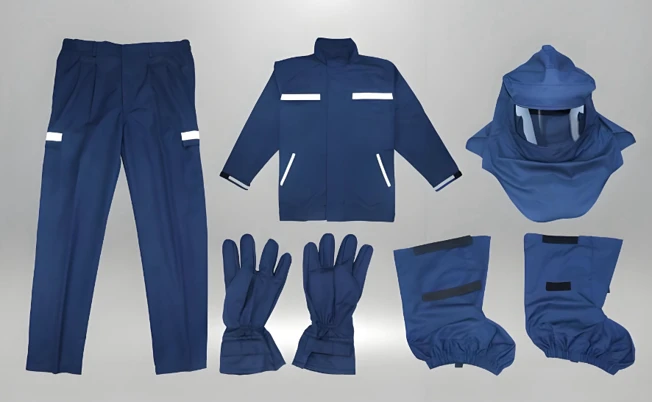
A layered system is rated as the combination that was tested, not as separate garments.
Related Articles
- PPE for Electrical Workers: The Complete Guide
- Cut Resistant Gloves: The Complete Buying Guide
- Essential Welding Safety Rules for Beginners
- Arc Flash Suit vs FR Coveralls: Key Differences
- Arc Flash Suit Ratings Explained: ATPV, Cal/cm² and HRC
- Arc Flash Suit Care: Inspection Storage and Maintenance
Official Resources
- Arc Flash Protection
- Ppe For Oil And Gas Workers The Complete Guide
- Ppe For Construction Workers The Complete Guide
- Understanding Arc Flash Hazards In Industrial Environments
- Contact Shield Wings