

Noise is the hazard most often managed with a purchase rather than a measurement. A storeroom full of earmuffs looks like a hearing conservation programme, yet the figure printed on the packaging describes performance under laboratory conditions with a correctly fitted protector on a trained subject. The gap between that number and what a worker receives on a shop floor is the difference between a defensible programme and an expensive assumption.
What the Standard Actually Covers
Hearing protection standards define how attenuation is measured and how the result is expressed. In the United States, the single-number rating is the Noise Reduction Rating determined under the applicable test method. In Europe, hearing protectors are rated through a single-number value and a set of octave-band attenuation figures that allow the protection to be assessed frequency by frequency.
Both approaches describe the same physical idea: how much sound energy the protector removes before it reaches the ear. Both are also laboratory measurements. They are produced on trained subjects, with the protector fitted by an experimenter, under conditions that do not include a shift, a hard hat, safety glasses with thick temples, a beard, or a worker who removes the protector for thirty seconds to answer a question.
The standard covers the protector and its declared performance. It does not cover the fit on a particular worker, the audibility of alarms and warning signals, or the length of time a protector stays in place. Those are programme issues, and they decide the outcome more often than the rating does.
Within the standard there are also different product forms, and the form changes what the specification has to state. Ear plugs rely on correct insertion into the ear canal, so their performance depends heavily on training and on the shape of the individual canal. Ear muffs seal around the ear through a cushion and a band, which makes fit more repeatable but more sensitive to anything that crosses the sealing surface, such as spectacle temples, headwear or long hair. Banded protectors sit between the two, and helmet-mounted versions tie the protection to the head protection already in use, which reduces the chance of one item being left behind but adds a compatibility requirement. Specifying the form deliberately, rather than accepting whatever the storeroom holds, is the first decision in the process.
The Ratings Buyers Are Asked to Prove
A procurement team is usually asked to demonstrate three things: that the noise exposure was measured, that the protection selected has a declared attenuation performance, and that the workers were trained and issued. The order matters, because the rating has meaning only against a measured exposure.
The measurement should identify where the exposures occur and how they vary through the shift, since intermittent, high-intensity sources behave differently from a steady background level. The selection then compares the measured exposure with the declared performance, and the specification states how much margin the site intends to keep for real-world fit and use. That margin is a policy decision, not a hidden adjustment: writing it down is what makes the selection defensible when a health surveillance result or an audit asks why a particular protector was chosen.
The third element, issue and training records, is where many programmes are weakest. A protector that is issued but never fitted, or fitted once during induction and never checked again, provides the protection of its weakest moment of use.
How Test Methods Differ Between Frameworks
The two frameworks describe attenuation in ways that are not directly interchangeable, which creates a real risk when specifications cross markets. A single-number rating from one framework and a single-number value from the other are produced under different test regimes and cannot be treated as equivalents without a reference. The European system also publishes octave-band data, which is useful when the dominant noise is concentrated in a particular frequency range, because the protector’s performance across frequencies may not be uniform.
For a buyer, the practical consequences are three. A specification should name the framework it works to rather than an assumed equivalent. The comparison between products should use the same framework so that like is compared with like. And where a site has measured exposures by frequency band, the octave-band data gives a more informed selection than a single number, even though the single number is what most catalogues quote.
Frequency matters more than most buyers expect. Noise from a high-speed grinder, a saw or a compressed-air blow-off concentrates its energy differently from the low-frequency rumble of a large fan, a kiln or a diesel engine, and a protector that performs well in one range may be less effective in the other. Where the exposure has been measured in bands, matching the protector to the dominant range is a more informed decision than choosing the larger single-number rating, and it is the approach that health and safety professionals use when a workforce reports that protection feels inadequate despite a high-rated product.
Reading the Marking on the Product
The marking on hearing protection identifies the standard the protector is made to, the model, the manufacturer and, where applicable, the declared attenuation figures. On earmuffs, some of that information appears on the packaging and in the instruction sheet rather than on the shell itself, which means the packing list and the technical file are part of the receiving inspection rather than background paperwork.
Three checks catch most mismatches. Confirm that the attenuation data supplied with the shipment corresponds to the model delivered, not to a similar looking model from the same catalogue. Confirm that the headband and cushion type are the ones specified, because the same shell can be fitted with different cushions and bands, which changes both fit and declared performance. And confirm that any accessory, such as a helmet-mounted version or a hygiene kit, does not alter the configuration that the declared performance belongs to.
Comparing the US and EU Frameworks
| Question | North American practice | European practice |
|---|---|---|
| How is attenuation expressed? | As a single-number rating from the applicable test method | As a single-number value with octave-band figures |
| What supports a selection decision? | Measured exposure compared with the declared rating | Measured exposure compared with the declared performance, band by band where data allows |
| What appears on the product? | Standard, model, manufacturer and performance data on packaging or instructions | Standard, model and performance data, with the marking the standard requires |
| What does the buyer verify? | Model, rating and configuration against the specification | Model, performance data and configuration against the specification |
| What sits outside the rating? | Fit, duration of wear and communication needs | Fit, duration of wear and communication needs |
Read across the table, the difference is in documentation rather than in physics. What the buyer should avoid is transferring a number from one framework into a decision taken under the other, because that error survives every subsequent audit until the exposure is remeasured.
Common Misreadings of the Rating
A small number of misreadings account for most of the protection lost between the specification and the ear.
Most of them share a common root: the specification was written around the product rather than around the exposure and the wearer. The list below is written so it can be used as a review checklist against an existing programme, not only as guidance for a new purchase.
- Treating the labelled figure as delivered protection. Real-world attenuation depends on fit, training and how long the protector stays in place; the specification should carry an explicit margin for that.
- Specifying the highest rating available by default. Over-attenuation isolates the wearer from alarms, vehicles and instructions, and protectors with too much attenuation are the ones most often removed.
- Ignoring fit. Spectacle temples, hair, jewellery, headwear and facial hair break the seal of a muff, and an incorrectly inserted plug is worse than no protection because it creates a false sense of security.
- Assuming that adding protectors adds the ratings. Combined protection does not equal the sum of two values.
- Reusing disposable plugs. A plug that has been handled and reused loses its fit and its hygiene.
- Overlooking service parts. Cushions and headbands are consumables; hardened cushions do not seal.
- Forgetting the communication requirement. A programme that prevents workers from hearing a reversing alarm has traded one risk for another.
What Documentation to Request From a Supplier
A quotation for hearing protection should arrive with the declared attenuation data for the exact model and configuration, the standard the protector is manufactured and tested to, the user instructions including fitting guidance, the list of spare parts with their replacement intervals, and the packaging and labelling that the destination market requires.
Two requests are specific to this category and are often omitted. Ask for the fitting instructions in the language and format the workforce will use, because correct insertion or adjustment is the single largest determinant of performance. And ask whether the model can be supplied in more than one size or with alternative cushion types, since a single size across a mixed workforce guarantees that some workers will be outside the intended fit range.
It is also worth agreeing a replacement path before the programme goes live. Cushions, headbands and hygiene kits are consumables that determine whether the declared performance is still available in month twelve, and a supplier who can deliver them consistently is more valuable in this category than one with a marginally better catalogue figure. For sites that buy across several countries, the same product family supplied with market-specific labelling and instructions keeps the technical content identical while satisfying local requirements, which is usually preferable to running different models in different regions.
Where the requirement includes the other half of the category, Shield Wings’ guide to selecting safety glasses covers the eye protection decision, and the two are frequently issued together on the same sites. The hearing protection products themselves are listed on the hearing protection earmuffs page and in the wider eye and ear protection category.
Shield Wings manufactures hearing protection earmuffs and safety glasses at a Guangdong production base and supports industrial buyers with attenuation data, fitting instructions and configuration options for helmet-mounted and standard band versions. The selection decision that matters is not the highest number in the catalogue; it is the protector that fits, stays on for the whole exposure and still lets the worker hear what they need to hear.
For the wider topic and related decisions, see our Hearing Protection & Noise Control.
Additional guidance retained during consolidation
Consolidated guidance from hearing-protection-earmuffs-vs-earplugs.
What Is the Difference Between Earmuffs and Earplugs?
Earmuffs cover the ears with cushioned cups that seal around them, while earplugs fit inside the ear canal — both reduce noise reaching the ear, with different comfort, fit, and communication trade-offs.
| Factor | Earmuffs | Earplugs |
|---|---|---|
| Fit | Over the ear | In the ear canal |
| Consistency | Depends on cup seal | Depends on insertion |
| Comfort | Pressure over time | In-ear pressure |
| Compatibility | Can clash with helmets | Fit under everything |
| Communication | Varies by model | Varies by type |
Earmuffs are easy to check visually and suit workers who move between noisy and quiet areas. Earplugs fit under helmets and respirators and suit continuous wear. Neither is universally better; the decision follows the task, the environment, and the worker.
What Does the NRR Mean?
The Noise Reduction Rating (NRR) estimates how much noise the protector reduces in decibels, and the effective protection depends on fit — the labeled number is not what every worker achieves.
The NRR is a laboratory estimate; real-world protection is lower, especially when the fit is imperfect. Earmuffs lose protection when hair, glasses, or a poor seal break the seal; earplugs lose protection when they are not inserted correctly. Derate the NRR for real-world planning, fit-test the protectors where possible, and match the protection to the measured noise level. The goal is to bring the exposure at the ear below the safe threshold.
Confirm the protectors remain compatible with the site’s other PPE and that alarms stay audible with them worn, because a protector that breaks the helmet seal or hides a warning protects one hazard while creating another.
Which Is Better for Different Environments?
Earmuffs suit noisy, dry environments where the worker moves between areas and compliance is easy to check; earplugs suit continuous wear under other PPE and environments with heat or confined space.
In grinding and machine shops, earmuffs offer easy on-off and visible compliance. In hot or confined work, earplugs avoid heat buildup and pressure. Under helmets and respirators, earplugs fit without breaking the seal of the other PPE. On sites with both patterns, many programs offer both and let the task decide, with the matrix naming the requirement. The best protector is the one worn correctly for the whole task.
What About Communication and Alarms?
Hearing protection must not silence the sounds workers need — alarms, approaching vehicles, and speech — so choose models with communication features or check that alarms remain audible above the protection.
Workers need to hear warning signals and instructions, and the right protector preserves them. Electronic earmuffs amplify speech and important sounds while muffling noise; communication headsets integrate radio. Where alarms are critical, verify they remain audible with the protection worn. The selection should consider the audible environment, not just the noise level. A protector that hides an alarm is protection in the wrong direction.
How Do You Fit and Care for Hearing Protection?
Fit earplugs by rolling and inserting them correctly, seat earmuffs so the cups seal fully, and clean and store the protectors to keep the fit and hygiene.
Earplug fit is technique-dependent — rolled, inserted, and held while the foam expands; earmuffs need the cups centered and the headband adjusted. Cleaning matters: dirty plugs and cups lose fit and cause hygiene problems. Assign each worker their own protectors where possible, and replace them on a schedule. Training the fit is part of the program, because a protector worn wrong is protection not worn.
Select eye and face protection for the process, radiation level, impact hazard, and compatibility with other PPE; confirm against the applicable standard.
The hearing protection program should also plan the fit and compliance side: fit-testing where the risk is high, both protector types available so workers can choose for the task, and a training routine that demonstrates correct insertion and seal. Work with a manufacturer that supplies the protectors with the NRR documentation for the exact models and supports the fit-testing process, so the protection is measured rather than assumed. Keep the documentation per model in the compliance file and review the selection when noise levels change. A protector that is rated, fitted, and worn for the whole task is protection that works; the program is what makes all three happen.
Confirm the protectors remain compatible with the site’s other PPE and that alarms stay audible with them worn, because a protector that breaks the helmet seal or hides a warning protects one hazard while creating another.
Which Hearing Protection Questions Do Buyers Ask Most?
How do we confirm compatibility and keep the program current?
Confirm the protectors remain compatible with the site’s other PPE, because a protector that breaks the helmet or respirator seal protects one hazard while creating another.
The hearing protection program should also be reviewed with the noise data: when new equipment arrives or processes change, re-measure the noise and confirm the protectors still achieve the target. Track fit-test results and worker feedback, and adjust the protector mix when the data says so. A program that follows the noise keeps the protection matched to the environment.
Should we standardize on earmuffs or earplugs?
Many programs offer both and match the protector to the task; the matrix names the requirement for each area.
Does a higher NRR mean better protection?
Only if the fit achieves it. Derate the NRR for real-world use and fit-test where possible.
Can workers hear alarms with hearing protection?
Yes, with the right protectors — verify alarms remain audible and choose communication features where needed.
How do we get hearing protection for our site?
Tell us your noise levels and tasks, and we will recommend protectors via our contact page or the hearing protection page.
For the wider topic and related decisions, see our Hearing Protection & Noise Control.
Frequently Asked Questions
Why does a hearing protector protect less in the plant than on the label?
Laboratory ratings are measured under controlled conditions with correctly fitted protectors on trained test subjects. In the workplace, fit varies between individuals and between wearers and their own previous fittings, and protectors are removed for conversation, lifted onto the head or worn over spectacle arms and hair. The specified protection should therefore assume real-world performance below the labelled value, which is why fit and training matter as much as the rating.
When is dual protection needed?
Where exposure remains above the action level even with a well-fitted protector, combining ear muffs with ear plugs adds attenuation, but the combined value is not the simple sum of the two ratings. Dual protection also complicates communication and warning-signal audibility, so it is specified with the noise assessment and the site’s communication requirements in view, not applied as a default across a plant.
How should hearing protection be inspected and maintained?
Check muffs before each use for cracked shells, hardened or flattened cushions, a distorted headband and a band that no longer holds the seal. Cushions and headbands are service parts with a replacement interval set by the manufacturer’s instructions, and cleaning should follow those instructions because some cleaning agents degrade the sealing material. Plugs are single-use or reusable according to the type, and reusing a disposable plug is a common cause of poor protection.
Does hearing protection affect communication and warning signals?
It can. Passive protectors attenuate speech and alarms along with the noise, which is why the assessment should consider what workers must hear, including vehicle movement, alarms and instructions. Where communication is essential, the options include level-dependent protectors that allow some sound through and electronic communication headsets, and the choice belongs in the specification rather than in a later complaint.
What evidence should a buyer hold for a noise exposure programme?
Keep the noise assessment and the exposure measurements it is based on, the protection selected against those exposures, the issue records linking each worker to the protector provided, the training that covered fitting and use, and the maintenance and replacement records. Where the employer runs audiometric testing or health surveillance, the programme documents belong in the same file so that the selection can be reviewed against outcomes.

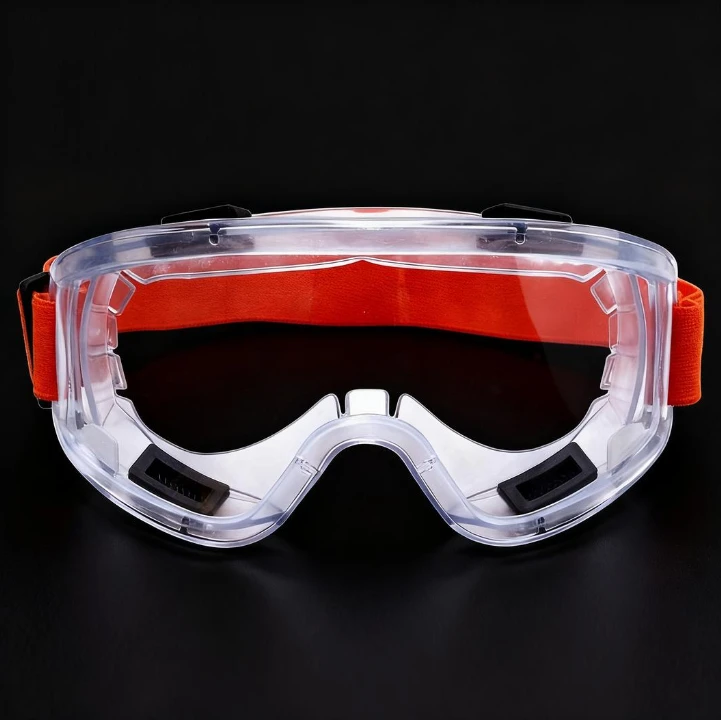
Reviewing a hearing conservation programme?
Send the measured exposure ranges and the tasks involved. Shield Wings provides attenuation data, fitting instructions and configuration options, including helmet-mounted versions, with the documentation the programme needs.
External references: 29 CFR 1910.95 occupational noise exposure, 29 CFR 1910 Subpart I, 29 CFR 1910.132, UK HSE noise guidance, CCOHS PPE answers, CEN-CENELEC standards portal, Regulation (EU) 2016/425.
{“@context”:”https://schema.org”,”@type”:”FAQPage”,”mainEntity”:[{“@type”:”Question”,”name”:”Why does a hearing protector protect less in the plant than on the label?”,”acceptedAnswer”:{“@type”:”Answer”,”text”:”Laboratory ratings are measured under controlled conditions with correctly fitted protectors on trained test subjects. In the workplace, fit varies between individuals and between wearers and their own previous fittings, and protectors are removed for conversation, lifted onto the head or worn over spectacle arms and hair. The specified protection should therefore assume real-world performance below the labelled value, which is why fit and training matter as much as the rating.”}},{“@type”:”Question”,”name”:”When is dual protection needed?”,”acceptedAnswer”:{“@type”:”Answer”,”text”:”Where exposure remains above the action level even with a well-fitted protector, combining ear muffs with ear plugs adds attenuation, but the combined value is not the simple sum of the two ratings. Dual protection also complicates communication and warning-signal audibility, so it is specified with the noise assessment and the site’s communication requirements in view, not applied as a default across a plant.”}},{“@type”:”Question”,”name”:”How should hearing protection be inspected and maintained?”,”acceptedAnswer”:{“@type”:”Answer”,”text”:”Check muffs before each use for cracked shells, hardened or flattened cushions, a distorted headband and a band that no longer holds the seal. Cushions and headbands are service parts with a replacement interval set by the manufacturer’s instructions, and cleaning should follow those instructions because some cleaning agents degrade the sealing material. Plugs are single-use or reusable according to the type, and reusing a disposable plug is a common cause of poor protection.”}},{“@type”:”Question”,”name”:”Does hearing protection affect communication and warning signals?”,”acceptedAnswer”:{“@type”:”Answer”,”text”:”It can. Passive protectors attenuate speech and alarms along with the noise, which is why the assessment should consider what workers must hear, including vehicle movement, alarms and instructions. Where communication is essential, the options include level-dependent protectors that allow some sound through and electronic communication headsets, and the choice belongs in the specification rather than in a later complaint.”}},{“@type”:”Question”,”name”:”What evidence should a buyer hold for a noise exposure programme?”,”acceptedAnswer”:{“@type”:”Answer”,”text”:”Keep the noise assessment and the exposure measurements it is based on, the protection selected against those exposures, the issue records linking each worker to the protector provided, the training that covered fitting and use, and the maintenance and replacement records. Where the employer runs audiometric testing or health surveillance, the programme documents belong in the same file so that the selection can be reviewed against outcomes.”}}]}