

Choosing safety glasses for a workplace means mapping each task’s eye hazard to the right lens, coating, and style — because the eyewear that protects a grinder is different from the eyewear that protects a chemist. This guide covers the selection process, with reference to Shield Wings’ safety glasses.
(Last modified date: October 3, 2026)
Quick definition: The eye hazards are flying particles, impact, chemical splash, dust, glare, and optical radiation — and each task needs eyewear rated for the hazard it presents.
Key Takeaways
- Polycarbonate lenses with anti-fog and anti-scratch coatings cover most industrial tasks; the coating stack follows the environment, and the optical class follows the task’s precision.
- Spectacles suit general impact protection, wraparounds add side coverage, goggles seal against dust and splash, and face shields protect the whole face over primary eyewear.
- Validate fit with a trial on real workers, confirm the impact class and standard on the frame, and set a replacement and inspection routine so the eyewear stays protective.
- The program includes the hazard map, the task-to-eyewear matrix, a fitting and issue system per worker, and an audit that checks the eyewear on the face matches the matrix.
What Eye Hazards Does Your Workplace Have?
The eye hazards are flying particles, impact, chemical splash, dust, glare, and optical radiation — and each task needs eyewear rated for the hazard it presents.
| Hazard | Recommended eyewear |
|---|---|
| Flying particles | High-impact spectacles or goggles |
| Chemical splash | Sealed goggles or face shield |
| Dust and grit | Goggles with venting |
| Glare outdoors | Tinted lenses, UV blocking |
| Welding radiation | Shade-rated lenses |
Walk the site and list the hazards task by task. Grinding throws particles; chemical work splashes; welding emits radiation; outdoor work adds glare. The eyewear follows the task, and where a task combines hazards, the eyewear must cover all of them. The hazard list is the foundation of the selection.
What Should the Lens and Coating Be?
Polycarbonate lenses with anti-fog and anti-scratch coatings cover most industrial tasks; the coating stack follows the environment, and the optical class follows the task’s precision.
Polycarbonate is light, impact-resistant, and the default for industry. Anti-fog keeps glasses on faces in hot or humid work; anti-scratch extends life in abrasive environments. Optical class matters for precision work, where distortion causes eye strain. Choose the lens and coating from the task and environment, and confirm the impact class on the frame — Z87+ or the EN equivalent for most industrial work.
What Styles Fit Which Tasks?
Spectacles suit general impact protection, wraparounds add side coverage, goggles seal against dust and splash, and face shields protect the whole face over primary eyewear.
The style follows the hazard: spectacles for general work, wraparounds where side protection matters, goggles for dust and splash, and face shields over eyewear for high-energy or splash work. Welding adds shade-rated lenses under a helmet. The style must work with the rest of the PPE — helmets, earmuffs, and respirators — without gaps. Layering is normal: a base pair of spectacles plus goggles or shields for specific tasks.
How Do You Validate Fit and Compliance?
Validate fit with a trial on real workers, confirm the impact class and standard on the frame, and set a replacement and inspection routine so the eyewear stays protective.
Order samples in the sizes the crew needs, test them through real shifts, and collect feedback on comfort, fogging, and compatibility with other PPE. Confirm the standard mark on the frame and the certificate for the model. Set the replacement rule by task and environment — scratch-prone work replaces more often — and inspect for scratches, coating wear, and frame damage. Eyewear that fits and is maintained is eyewear that gets worn.
What Should the Eyewear Program Include?
The program includes the hazard map, the task-to-eyewear matrix, a fitting and issue system per worker, and an audit that checks the eyewear on the face matches the matrix.
The hazard map and matrix name the eyewear per task; the fitting system assigns the right size and style per worker; the audit verifies the field matches the paperwork. Include prescription users through Rx safety frames, because workers will not wear an uncomfortable second pair. Review the program after process changes and incidents. An eyewear program built from the hazards, with the field checked, is a program that protects.
Select eye and face protection for the process, radiation level, impact hazard, and compatibility with other PPE; confirm against the applicable standard.
The eyewear program should also connect selection to procurement: the hazard map drives the matrix, the matrix drives the order, and the certificate arrives with the delivery for the exact models. Work with a manufacturer that supplies the eyewear with the standard documentation, the coating options matched to the environment, and the size range the crew needs, so the program is built from verified products rather than assumptions. Keep the documentation per style in the compliance file, review the matrix when processes change, and re-check on reorders. Eyewear that is selected from the hazards, fitted to the workers, and documented is eyewear that protects.
Confirm the eyewear’s compatibility with the site’s other PPE in the trial and track fogging and fit complaints, because glasses that fight the helmet or earmuffs will end up off the face and a program that listens to workers is a program that gets worn.
Review the matrix when the site adds a process, because a new grinding or chemical task changes the eyewear the workers need.
What the Eyewear Has to Satisfy (29 CFR 1910.133)
Five short paragraphs of the eye and face protection rule decide most of the specification, and they are worth reading before a single sample is requested.
| Requirement | Paragraph | What it means when you order |
|---|---|---|
| Right protection for the actual hazard | 1910.133(a)(1) | Flying particles, molten metal, liquid chemicals, acids, gases and injurious light each point to a different product |
| Side protection where flying objects are a hazard | 1910.133(a)(2) | Bare frames without side shields do not satisfy this, however good the lens is |
| Prescription wearers | 1910.133(a)(3) | Either rated Rx frames or over-glasses that do not disturb the prescription lenses |
| Marked to identify the manufacturer | 1910.133(a)(4) | If the maker cannot be identified, the certificate cannot be traced to the model |
| Filter lenses for injurious light | 1910.133(a)(5) | A shade-rated lens for welding and other radiant-energy work |
| Compliance to a named standard | 1910.133(b)(1)(i) | ANSI/ISEA Z87.1-2010, or the 2003 / 1989(R-1998) editions |
Sizing the order by zone, not by headcount
Illustrative example for a 60-person plant: a base spectacle for all 60, sealed goggles for the 12 people in the chemical-splash zone, face shields for the 10 doing grinding, and shade-5 lenses for the 4 welding bays. Add one spare per ten units of each style, which is 6 spares per style, and keep the styles separate in the store so that the splash zone cannot be issued spectacles by mistake. The point of the example is that the purchase order follows the hazard map, and the hazard map is the same document the PPE assessment requirement produces (29 CFR 1910.132(d)(1)).
Where the standard mark stops
Z87.1 is a standard, not a grade scale: the marking on a frame or lens records which tests that model passed, so read the mark and match it to the hazard rather than assuming a stronger-looking number covers everything. Two practical limits follow. Over-glasses add a second lens stack, which brings fogging and reflections that show up in a trial but not on a datasheet. And a spectacle is not a substitute for a face shield where the hazard is to the whole face — the two are worn together in that case.
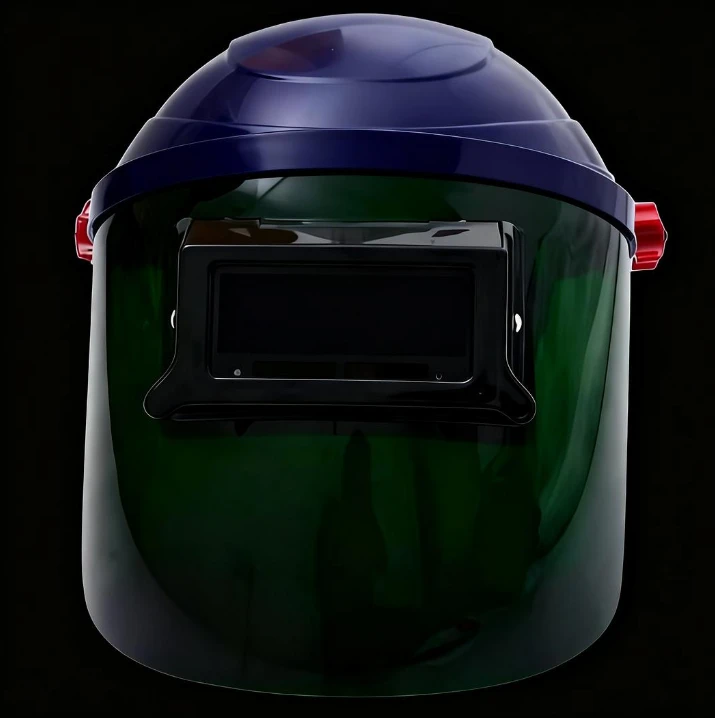
For the wider topic and related decisions, see our Head, Face & Eye Protection.
FAQs
How do we confirm compatibility and audit the eyewear program?
Confirm the eyewear’s compatibility with the site’s other PPE in the trial, because glasses that fight the helmet or earmuffs will end up off the face.
Do we need different eyewear for every task?
Most sites standardize a base pair plus goggles or shields for specific hazards, with the matrix naming the requirement.
Can prescription users wear safety glasses?
Yes, through Rx safety frames or over-glasses styles; Rx frames give better fit and optics.
How do we know the eyewear meets the standard?
Check the standard mark on the frame and request the certificate for the exact model.
How do we get safety glasses selected for our site?
Send us your hazard map, and we will recommend eyewear with documentation via our contact page or the safety glasses page .
Is Z87+ better than Z87.1?
They are not competing standards. Z87.1 is the standard itself, and the markings on a model record which of its tests that model passed. OSHA accepts compliance with ANSI/ISEA Z87.1-2010 (29 CFR 1910.133(b)(1)(i)), so match the marking to the hazard you are protecting against rather than treating one mark as universally stronger.
Does OSHA require Z87 safety glasses?
OSHA requires eye and face protection that complies with one of the consensus standards named in the rule, and Z87.1 is the one that applies to industrial eyewear. The marking is how you evidence it, and the certificate for the exact model is what you file.
Related Articles
- Cold Weather Work Clothing: Layering and Materials
- Anti-Static Workwear for the Petrochemical Industry
- China Personal Protective Equipment (PPE) Manufacturing Advantages: A Comprehensive Analysis for Global Buyers
- Safety Glasses with Prescription: Options for Workers
- Safety Face Shields: Types and Selection Guide
- Safety Glasses: The Complete Buying Guide